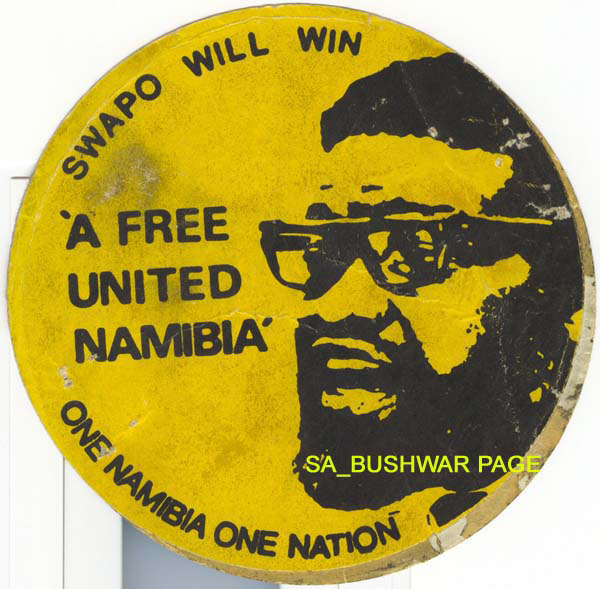
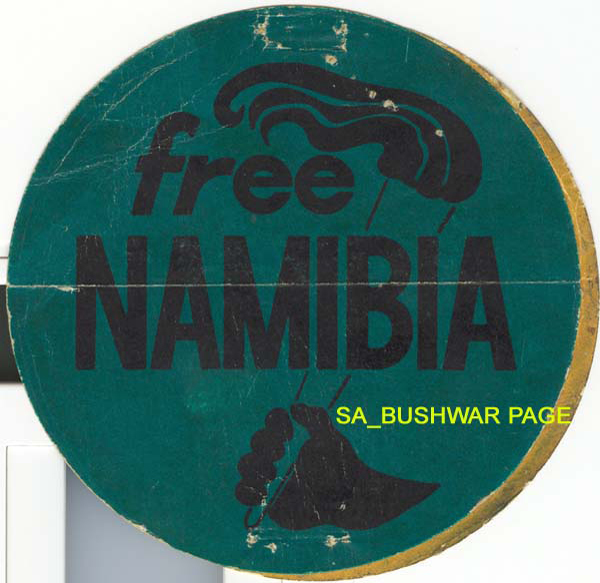
SWAPO was founded, along with a number of other groups, as a liberation organisation: following the First World War, South-West Africa � formerly a German colony � was turned over to South Africa to rule as a League of Nations mandate territory for the British. The Union of South Africa was a British dominion at the time. The South African government governed the territory nearly like a one of its provinces.
SWAPO as a liberation movement
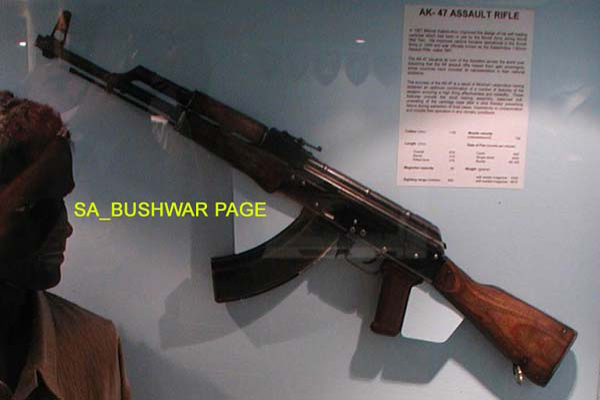
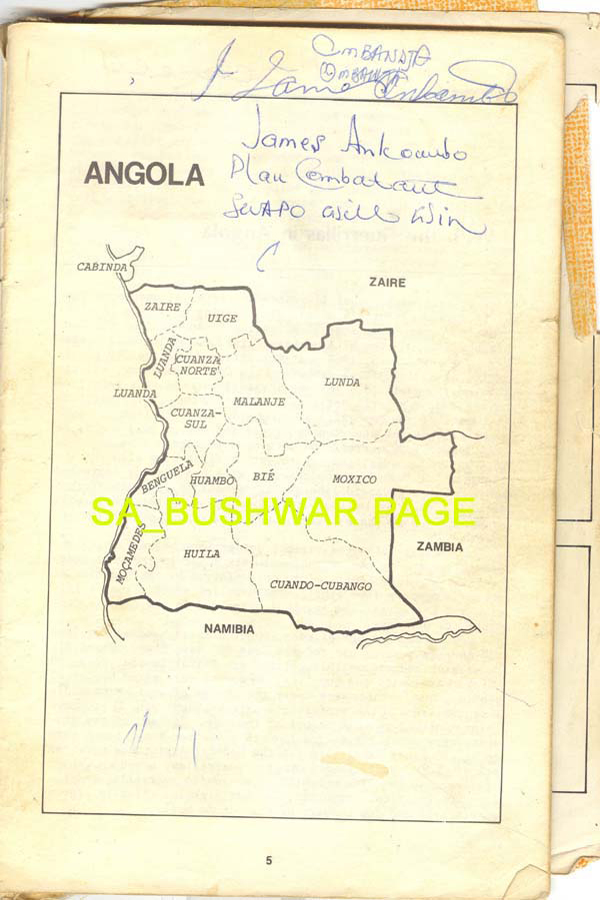
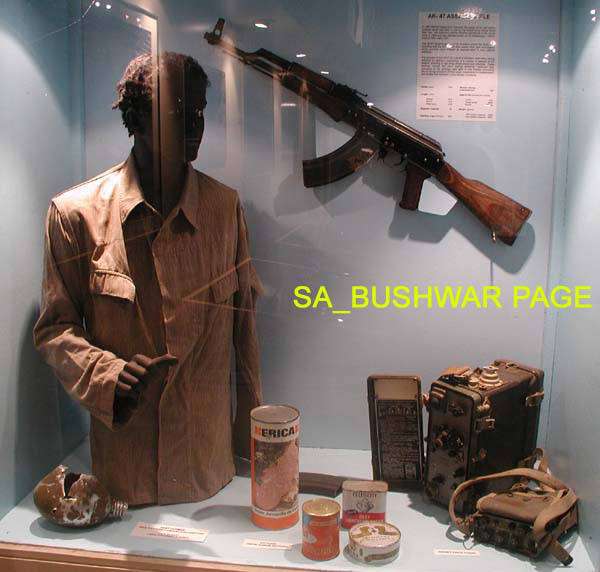
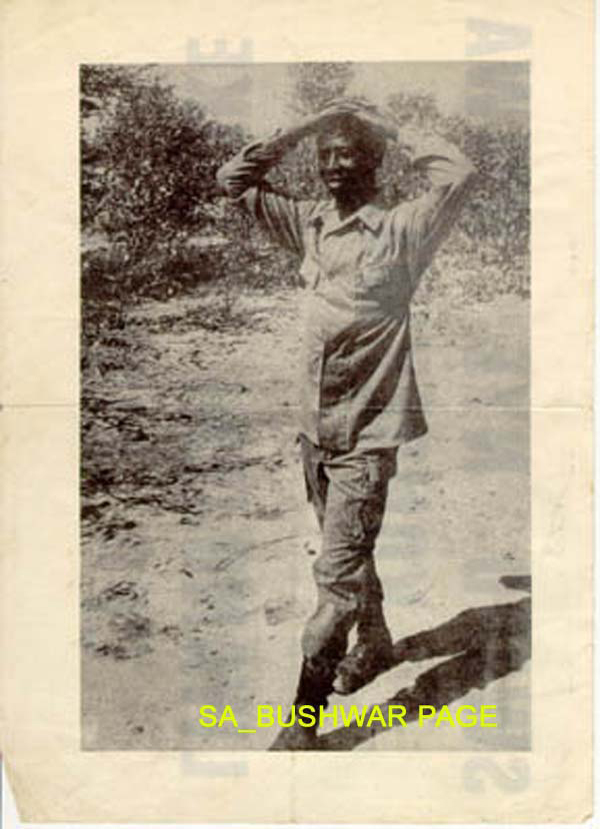
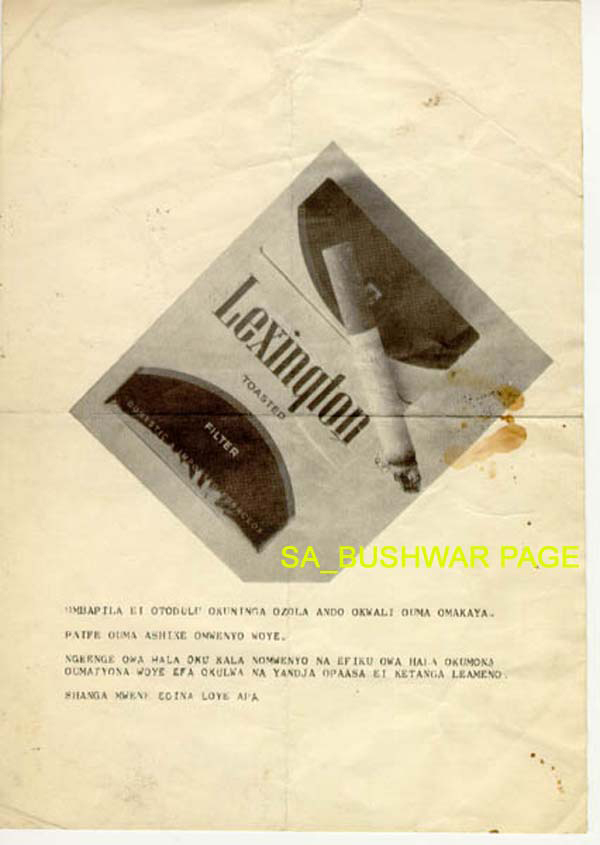
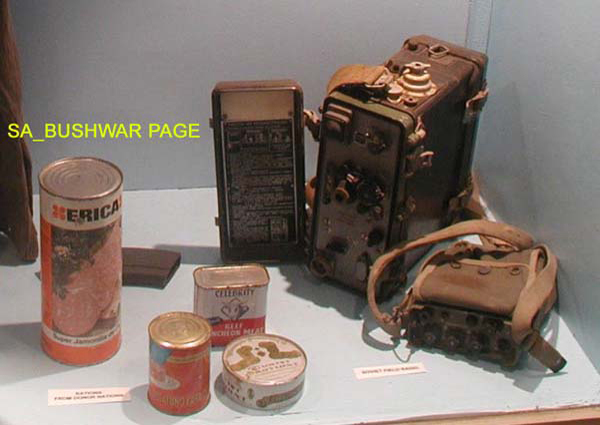
SWAPO had its base among the Ovambo people of northern Namibia. By the 1960s, SWAPO emerged as the strongest liberation organisation for the Namibian people, coopting other groups such as the South West Africa National Union (SWANU). SWAPO was essentially a military organisation, using guerrilla tactics to fight the South African military. It was called PLAN - Peolpes Liberation Army of Namibia. It was based in Zambia and then after 1975, in Angola, where SWAPO was allied with their fellow Marxists in the Popular Movement for the Liberation of Angola (MPLA). South Africa later staged several military campaigns against SWAPO and the Marxist MPLA in Angola from its territory in Namibia. SWAPO never managed to establish permanent bases in Namibia during its military struggle, apart from the initial base at Ugulumbashe destroyed in 1966, earmarking the commencement of the Bushwar. SWAPO/PLAN suffered about 11400 casualties due to SADF action, while the SADF suffered approximately 1659 (combat and non-combat) casualties during the 23-years Bushwar against all adverseries. SWAPO tactics followed that of the Warscaw Pact armies during the cold war, as members were trained in Russia, East Germany, Tanzania (under Eastern Block command), etc. Armed groups ranging from a handfull to several hundred, armed with light weapons such as AK 47's, MG's, RPG 7's, mines, etc. operated from SWAPO bases deep inside Angola. These groups infiltrated SWA during the rainy season (due to scarsity of water in the semi-desert region), and conducted terror activites against the SADF and local population. Terror activities included ambushes, mining of roads, terrorising local population supporting the SADF, recruiting new Plan members (sometimes forcefully), etc.
Controversy within the movement
It was alleged that SWAPO, during the period of exile, was responsible for human rights abuses against its own cadres. The most serious of these was the detainee issue, which remains a divisive issue. The stories of the detainees begins with a series of successful South African raids that made the SWAPO leadership believe that there were spies in the movement. Hundreds of SWAPO cadres were imprisoned, tortured and interrogated.
Independence
When Namibia gained its independence in 1990, SWAPO became the dominant political party, with its head, Sam Nujoma, elected as Namibia's first President. Nujoma had the constitution changed so he could run for a third term in 1999, but in 2004 he was replaced as the SWAPO presidential candidate by Hifikepunye Pohamba, described by some as Nujoma's "hand-picked successor". Nujoma will, however, remain president of the SWAPO party until 2007. |