| FlyfishingPA.com |
|
|
 |

The Fly Fishing Loop is sponsored by flydepot.com [ Home Waters | Next | Random | List | Search ] |

|


|
| Copyright � 2001 Warren Albert |
 |
| Sulfurs--The Hatch of The East By Warren Albert |
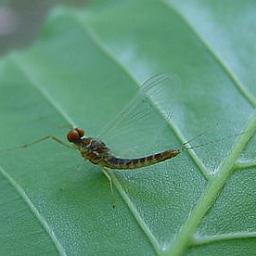
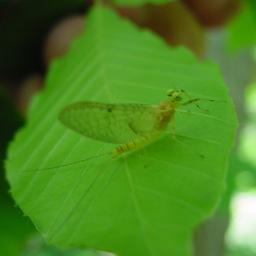
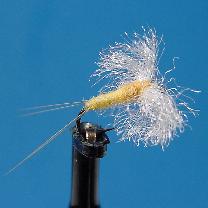
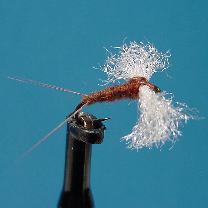
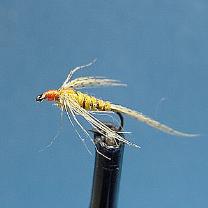
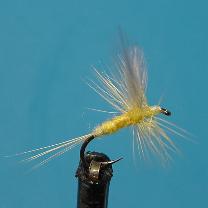
| I was fishing one of my favorite stretches of Oil Creek late one June evening hoping to catch one of its well known Sulfur spinner falls. As I was sitting there waiting for the evening festivities to start, I started to think how important this hatch is to the eastern flyfisher. If you haven�t experienced the Sulfur hatch on any of streams and rivers that hold this insect, you have missed something exciting and sometimes unbelievable. I was not disappointed that evening as the spinner fall came back just as heavy as it has in the past and every fish in the stream responded. I quit well after dark when I could no longer see my fly on the water. I was satisfied with the fish I caught and knew that tomorrow was another day. Male Sulfur Spinner WHAT IS A SULFUR A Sulfur is actually a name for a group of three different species of mayflies that belong to the Emphemerella family. The three species that collaborate to make the sulfur group consist of the Emphemerella Invaria, the Emphemerella Rotunda, and the Emphemerella Dorothea. The hatch usually starts sometime in the last week of May or the first week of June, depending on the weather. The Invaria and Rotunda hatch first, lasting three to four weeks and is followed by the Dorthea lasting two or three weeks. This hatch peaks about the middle of June when all three of these insects are hatching at the same time. You will find the duns hatching late morning and afternoon. About an hour or so before dark, the spinners return to the stream, mate and deposit their eggs on the stream. This spinner fall can produce some of the best fishing. LIFE CYCLE Since the Sulfur belongs to the mayfly family, its life cycle lacks the pupa stage and therefore is called an incomplete metamorphosis. The phases in the cycle of the mayfly are the egg, nymph, dun and spinner. Nymph The Sulfur nymph belongs to a group of nymphs called crawlers. This type of nymph has very limited swimming abilities and they just hang on to the bottom of the stream and literally crawl around looking for food. All members of the Emphemerella family belong to this group. All three species of Sulfur nymphs are very similar in color and appearance. They have a dirty yellow to light brown body with three tails and three sets of legs on the thorax of the bug. The big difference between the three nymphs is their size. The Rotunda and Invaria are a size 14-16 and the Dorthea is somewhere around an 18 to 20. This size difference is true throughout the lifecycle of this group. Because of the way these nymphs function, it is good to dead drift your imitation as close to the bottom as possible. Late morning and early afternoon will provide some of the best nymphing during the sulfur hatch. Dun The Dun stage for the Sulfurs follows suit with the rest of the hatch. The Duns of all three species are very similar in color, in fact the same imitation is all that is needed to imitate all three. The big difference is in the size of the three. The Invaria and Rotunda are very similar in size with their dun stage being a 14-16 hook size. The Dorthea is much smaller with the majority of its duns in the 18-20 size range. All three species have the �sulfur� colored body with the Dorthea being somewhat lighter. All three also have dun colored wings, again with the wings of the Dorthea being lighter in color. Spinner This stage is probably the most important stage for the flyfisherman. A few days after hatching, the spinner will make its way to the stream in the evening to mate and lay its eggs on the stream. After mating and egg laying, the spinners will fall to the stream and die making them an easy prey for the waiting trout. This mating ritual can sometimes be very concentrated and can make the fishing difficult. The tricks to a successful spinner fall are to first determine the correct size of the spinner and two determine whether the fish are taking the male or female spinner. The spinner sizes follow right along with the duns. The Rotunda and Invaria are a size 14-16 and the Dorthea are a size 18-20. The color of the female spinner is very similar to the Dun, a pale yellow to sulfur color. The color of the male spinner somewhat different with the body rusty brown in color. IMITATIONS Due to the popularity of this hatch, there are endless supplies of imitations that successfully match this hatch. I am going to show three simple and easy to tie patterns that will allow you success on the stream when the Sulfurs are hatching. Nymph The nymph below is a good imitation of the true sulfur nymph. The body is a dirty yellow color much like the real nymph. Another good choice is a Pheasant Tail nymph in the correct sizes. Sulfur Nymph Dun My favorite pattern to imitate the dun stage of this hatch is a classic Catskill tie. This fly is simple to tie and very effective when the fish are working the hatching duns. If you look in pattern books, you will find many varieties of this pattern, but the basic principles are still there. Make sure you have a few of these in every size. Sulfur Dun Spinner For the spinner, I always carry both the male and the female imitations. Both ties are exactly the same with the only difference being the color of the body. For the male I use a Rustyspinner in the size needed to match the natural. For the female, a Sulfur spinner with the body color the same as the Dun is very effective. Rustyspinner Sulfur Spinner If you pay attention to which part of the Sulfur life cycle the fish are taking and match the correct size and color, you will have a successful evening fishing one of the premier hatches of the East. |
 |
 |
 |
 |
 |
 |