

Trade Unions can take action to protect members' rights
Trade Unions have the right to be consulted on changes of work
Trade Unions have the right to recruit new members
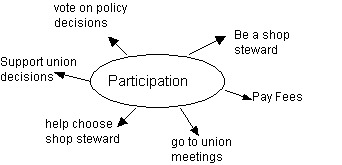
Before taking industrial action, the union must send out slips asking members to vote on action. If a majority vote yes then action can be taken but they must warn the employer.
Trade Unions should let management know what they think. They should not make outrageous demands.
Unions cannot force or put pressure on people to join.
Yes
Protects the poorest workers from poverty
The government may have to pay out less in benefits because less people below the poverty line
Allows the economy to grow because more people have more money to spend, creating jobs and wealth for others
Every country in the EU had minimum wage legislation before the UK
The government gets more revenue from taxes because more people have higher income
No
Prices may go up as costs for businesses increase
Some people may lose jobs if businesses have to pay out more in wages
Makes Britain less attractive for foreign countries as a location for factories
Other workers will want a pay rise to keep the 'differential' between them and the lowest paid employees
Against the idea of free market. Wages should find their natural level as a result of supply and demand