


An MP is elected to the House of Commons o represent his/her constituents
An MP has, in effect two jobs. They work in the House of Commons Monday to Friday and in their constituency at weekends
In the House of Commons an MP will be involved in passing new laws, examining the work the government and raising matters which are of concern to his/her constituents
MPs who are not government ministers or who are not on the opposition front bench are called private members or back benchers
14. How MPs represent their constituents - In the House of Commons
Write a letter to a minister or a department to get information
Speak directly to ministers
Raise issues or questions at question time or at debates
Sit on a select committee
Try to persuade other MPs to support them
Try to introduce a bill
15. How MPs represent their constituents - In their Constituency
Reply to constituent's letters
Hold regular surgeries
Attend local meetings and give advice
Keep in contact with councillors and work them
Take part in social events for direct contact
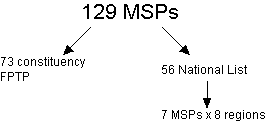
16. The Scottish Parliament
First reading
Second reading
Committee Stage
Report Stage
Third Reading
House of Lords
Royal Ascent
Bill is introduced
A debate takes place on the principals of the bill. A vote takes place and only if a majority votes 'Aye' can the bill go forward
A committee goes through the bill clause by clause, line by line. Changes to wording are usually made at this stage
A debate takes place to consider the changes
Another debate takes place on the amended bill
Bill goes through similar stages at Lords
A representative of the Queen signs the bill making it an act of parliament, the law of the land