 |
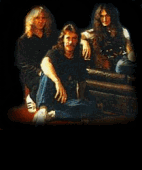 |
| Alex Lifeson |
| Neil Peart |
| Geddy Lee |
| RUSH is Three men from Canada who needed to make music |
| Geddy Lee (b. Gary Lee Weinrib, 29 July 1953, Willowdale, Toronto, Canada) keyboards, bass, vocals; |
| In true 1969 fashion, Alex Lifeson and Geddy Lee named their act "The Rush," so as to fit into the rock gentry led by The Who, The Beatles and The Rolling Stones. Their home base was in Sarnia, Ontario with original drummer John Rutsey playing mostly cover tunes by Led Zeppelin, Iron Butterfly and Cream. Soon they would make their way to the bright lights of Toronto, and set up residence at bars such as The Gasworks, The Running Pump and the old Abbey Road Pub. |
| Finally, they signed with Ray Daniels' fledgling SRO Productions, leading to their first, self-titled release. In 1973, they recorded a version of Buddy Holly's "Not Fade Away," backing it with "You Can't Fight It," for their own label, Moon Records. |
| Sadly, Rutsey would soon leave the band due to poor health, but as fate would have it, St. Catherines native, Neil Peart was brought in, and not only as drummer, but as songwriter as well. Daniels' new label, Anthem (named after an Ayn Rand novel that was also a song Peart wrote for 'Fly By Night') re-issued the first album in 1974. |
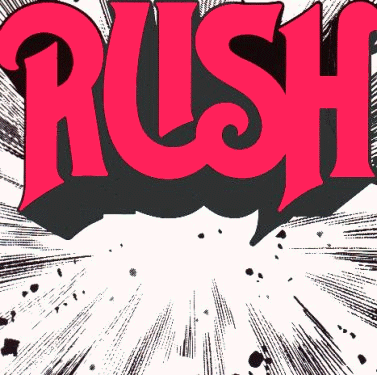 |
| August 1974 |
| Rush's direction began to change from a straight ahead 4 chord bar band to a more cerebral and progressive rock entity. But, their second album, 'Fly By Night' still had short commercially accessible songs and they were able to land a deal with Phonogram in the US due to consistent airplay on Cleveland radio stations. |
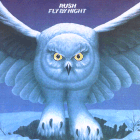 |
| Feb. 15, 1975 |
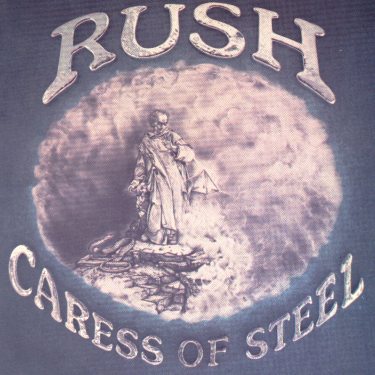 |
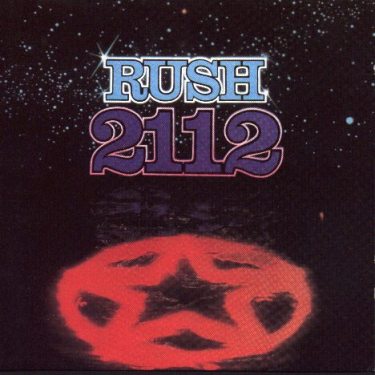
| 1975 saw the more progressive 'Caress Of Steel' drawing curious reviews from critics, but it was 1976's Terry Brown produced '2112' that changed not only the critical outlook on Rush, but at progressive rock in general. The album is generally considered a rock milestone, and was based on Ayn Rand's futuristic concepts. |
 |
| Sept. 1975 |
| March 1976 |
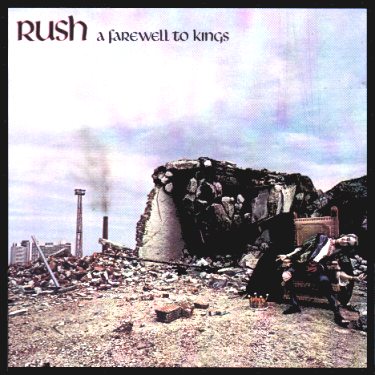
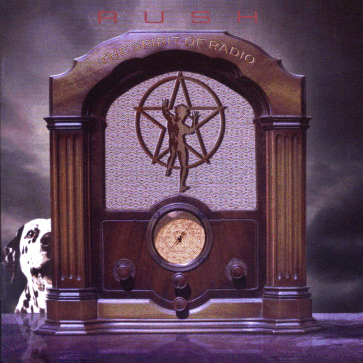
| But It wasn't until 1977's 'A Farewell To Kings' that Rush began to see the fruits of commercial success with their first charting single, "Closer To The Heart", which was the beginning of a long string of radio hits including "Spirit Of Radio", "Limelight", "Tom Sawyer", "New World Man" and "Subdivisions" which defied the critics who believed progressive rock was dead in the 1980's. |
 |
 |
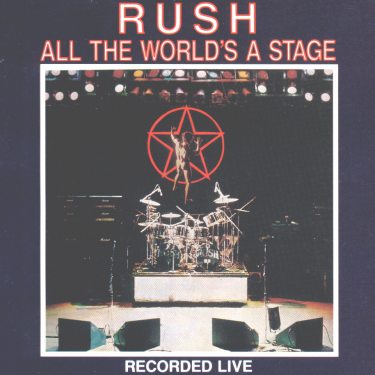
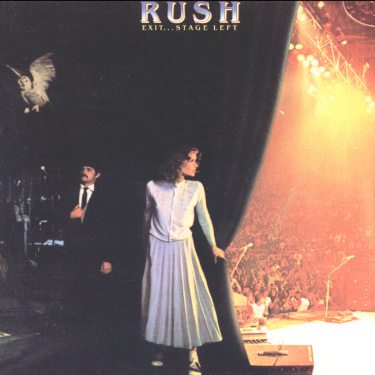
| In 1976 they released their first concert album, "All The World's A Stage," and even critics began to stand up and say this was a group that was going somewhere. |
 |
 |
 |
 |
 |
| Sept. 29, 1976 |
| Sept. 1977 |
| Oct. 78 |
| June 1st, 80 |
| Feb. 81 |
| Oct. 81 |
| Sept. 82 |
| April 12th, 84 |
 |
 |
 |
 |
| Oct. 85 |
| Sept. 8th, 87 |
| Jan. 9th, 89 |
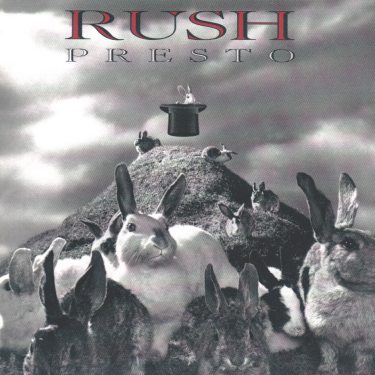 |
| Nov. 18th, 89 |
| By 1990, not only was RUSH still touring to sold out audiences, they were still recording hit albums when many other major groups of the 70's and 80's had lost their touch and gone their separate ways or retired. |
 |
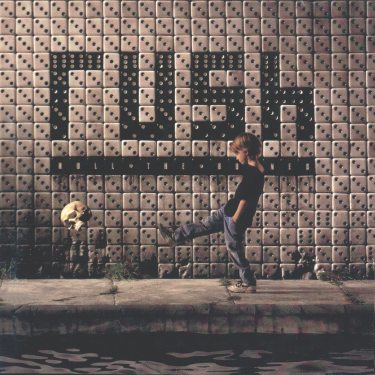 |
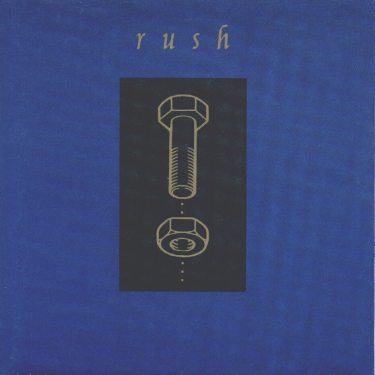 |
| They received the Order Of Canada in the 1990's and each of the members has enjoyed outside pursuits so that Rush would not become stale: Geddy Lee produced other bands including Boys Brigade and the SCTV inspired 'Great White North' album featuring Bob & Doug McKenzie (Rick Moranis and Dave Thomas); Neil Peart has toured the world several times on bicycle; and Alex Lifeson has leant his guitar playing to many other acts recordings including the annual Kumbaya Festival and recently branched out as a solo artist with a project called Victor featuring lead vocals by Dalbello and former I, Mother Earth frontman Edwin. |
| Oct. 3rd, 90 |
| Sept. 3rd, 81 |
| Oct. 19th, 93 |
| In 1994, the band agreed to a break for the first time in their career, during which Lifeson worked on his Victor side project. They returned in 1996 with Test For Echo. |
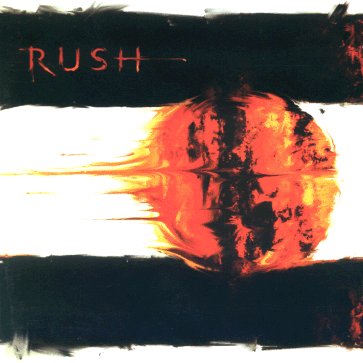
| Often criticized for lyrical pretension and musical grandstanding - unkind critics have suggested that Rush is exactly what you get if you let your drummer write your songs for you - they nevertheless remain Canada's leading rock attraction, and have clearly found strength and unity in each other's company following an extended hiatus owing to the unfortunate and tragic deaths of Peart's wife and daughter (the drummer's Ghost Rider: Travels On The Healing Road details his grief and the healing process). The post-tragedy "Vapor Trails," released in 2002, is one of their strongest albums in many years. |
 |
 |
 |
 |
 |
| Rush has notched up twenty-three consecutive gold and platinum records, the third longest string behind The Beatles, The Rolling Stones, and tied with KISS. The band re-issued its first 15 albums as audiophile remastered CDs in 1996 and 1997. |
 |
 |
 |
| Alex Lifeson (b. Alex Zivojinovich, 27 August 1953, British Columbia, Canada) guitar. |
| Originally formed in 1969 with the following members |
| and John Rutsey (drums). |
| In 1974 John Rutsey left, and Neil Peart joined the ranks. |
|
| BEGINNINGS |
| The rest, as they say...is history! |