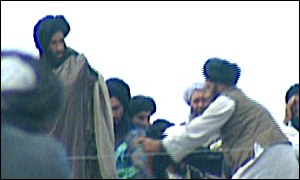

Predominantly Pashtun membership
Links to Deobandi parties in
Pakistan such as JUI.
Head of al-Qaida
Wahhabi based ideology with
widespread international links
Includes Uzbeks, Uighurs,
Chechens, Kashmiris and others.
| |
|
Other Foreign Jihadis |
|---|---|---|
| Mullah Omar and the Taliban Predominantly Pashtun membership Links to Deobandi parties in Pakistan such as JUI. |
Usama bin Laden Head of al-Qaida Wahhabi based ideology with widespread international links |
Other Jihadi Groups Includes Uzbeks, Uighurs, Chechens, Kashmiris and others. |
 |
 |
 |
 |
|---|---|---|---|
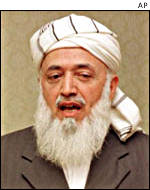
| Burhanuddin Rabbani Leader of Jamiat-i-Islami Part of Northern Alliance Ikhwani influence |
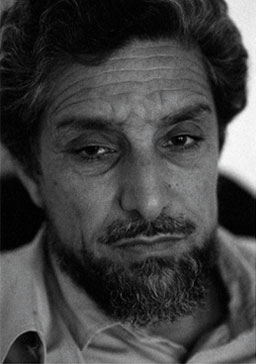
Ahmad Shah Masood Head of Shura-e-Nayar Part of Jamiat-t-Islami Ikhwani influence |
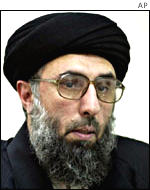
Gulbuddin Hekmatyar Leader of Hizb-e-Islami Maudoodist with links to Jamaat-e-Islami of Pakistan |
Abdur Rabb Rasool Sayyaf Leader of Ittedhad-e-Islami Wahhabi ideology with Saudi backing |
 |
 |
 |
No picture Yet |
|---|---|---|---|
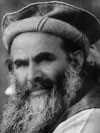
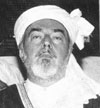
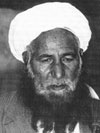
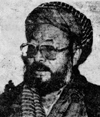
| Peer Gailani Leader of Mahaz Islami-yi-Milli Sufi leadership |
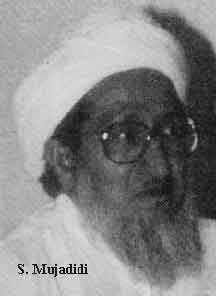
Sibghatullah Mujadidi Leader of Jabha Islami Sufi following |
Maulvi Yunus Khalis Leader of Hizb-e-Islami(Khalis) Strong appeal to clergy Deobandi ideology |
Maulvi Muhammad Nabi Muhammadi Leader of Harakat-i-Inqilaab-i-Islami Deobandi ideology with clerical support amongst Pashtuns |
 |
No Picture Yet | Other Shia Groups |
|---|---|---|
| Karim Khalili Leader of Hizb-e-Wahdat Largely Hazara Shia following |
Ali Mazari Former chairman of Afghan Shia Alliance. |
Shia Mujahideen Includes all other Iranian backed Shia factions such as Hizbullah, Harakat-e-Islami and Nasr-e-Islam |
 |
 |
 |
 |
|---|---|---|---|
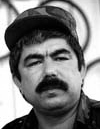
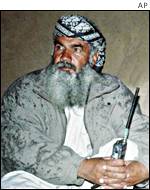
| Rashid Dostum Leader of Jumbish Milli Uzbek commander formerly pro-Communist |
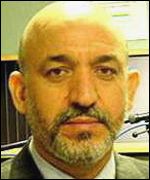
Karzai Current leader of Afghanistan. |
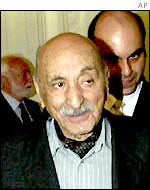
King Zaher Shah Former King of Afghanistan until the coup of 1974 |
Ismail Khan The warlord based in Herat. He sought refuge in Iran when the Taliban were in power until the coup of 1974 |