Fiji

Official nameRepublic of Fiji
Area 7100 sq mi
Population832,000
Capital Suva
Major Cities Suva(200,000), Lautoka(45,000), Nadi(31,000)
Ethnic GroupsFijian(51%), Indian(44%), Polynesian, Euronesian, Chinese, Micronesian
Official Language/sEnglish, Fijian, Hindi
Major languagesFijian, Hindi, Urdu, English, Rotuman, Cantonese
Major ReligionsMethodist, Catholic, Hinduism, Islam, Sikhism
EconomySugar, Tourism, Gold, Garments, Timber
GDP/capita$7087
Currency Dollar
Year of Independence 1972 from Britain

Fiji in Brief

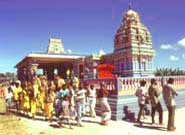
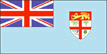
Fiji is an archipelago of 300 (mainly volcanic) islands wedged in the south-west Pacific between Samoa and New Caledonia. It lies wholly in the tropical region, thus having a moist and warm climate. The nation changed from a monarchy into a republic following the 1987 coups, but still has membership in the British Commonwealth. In fact remnants of British influence in currency notes, flag and official names are still evident. Culturally Fiji lies in the crossroads of Melanesian and and Polynesian cultures. Fiji is also home to over 360,000 Asian Indians who were descendents of indentured labourers hired to work the sugar fields during the colonial years. Other immigrants have also brought their flavour to the country, including Chinese, Micronesians, Samoans, British, Australian and other Pacific Islanders. A significant proportion of Fiji's population is of mixed origin, such as Euro-Fijians, Sino-Fijians and other Euronesians.
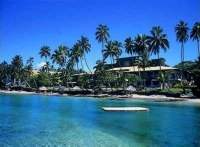
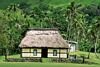
Today Fiji is a bustling holiday destination for many foreign tourists, besides having a sugar industry. Despite the political turmoil of 2000, tourists continue to flock to the tropic sands of this island nation where in many places the pace of life has stood still in a fast changing world.

Current Leadership


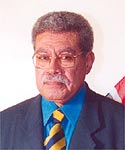
PM Laisenia Qarase

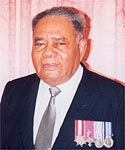
President Ratu Iloilo
Current Prime Minister is Laisenia Qarase of the governing SDL(Soqosoqo Duavata ni Lewa)party. His party managed to win the most seats in the 2001 elections - a total of 32 - but not enough as a majority. The Fiji Labour Party(FLP) lead by the deposed PM Mahendra Chaudhry came second with 27 seats. A recent breakaway Labour faction known as the NLUP managed to claim 2 seats. Because of disputes over the appointment of FLP MPs into the government, Chaudhry's Labour MPs have refused to participate as opposition party and are not involved in parliament. Recently, Mick Beddoes of the the United General Party(UGP) was appointed leader of the opposition. Fiji follows the Westminister style parliamentary system, inherited from Britian.

The May 2000 coup

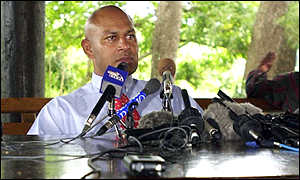
In May 19 2000, George Speight who was a relative unknown in the political scene, lead a group of armed men into the Parliament house, staging Fiji's first civilian coup. The purpose of the coup was to overthrow the ruling People's Coalition government 'in the name of indegenous Fijians'.

George Speight
Unlike the coup of 1987, this illegal take-over did not have the backing of the military nor the traditional Chiefs.
This coup also proved to be bloodier than the previous one, with serious break down of law and order in much of the countryside. Also the deposed party MPs were held at gunpoint in the Parliamentary complex as hostages for several months. Eventually following their release, Speight was arrested along with the coup team. Today they are still incarcerated on Nukulau island just off the coast of Suva.
The elected government of Mahendra Chaudhry - FLP leader -, was a coalition of multi-racial and Fijian parties, including the Fijian Association Party(FAP) headed by Adi Kuini Bavadra, the Party of National Unity(PANU) and VLV. Later other Independents including a Rotuman MP and two General electors joined the ruling government. Known as the People's Coalition, it fought on the election platform that it was time for change.

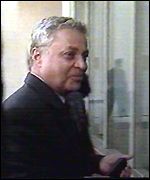
Mahendra Chaudhry

Sensing broad dissatisfaction over the SVT leadership throughout the 90s, this new coalition succeeded in unseating most SVT strongholds, including provincial Fijian seats. Overall it gained 55 seats with FLP bagging 37 which is over 50% of the total seats.
The party that lost greatly in the election race, the Soqosoqo Vakavulewa ni Taukei(SVT), headed by former Prime Minister and 1987 coup leader Major General Sitiveni Rabuka conceded defeat although without bitter retort, arguing that there was an ethnic bias in the voting process. In fact SVT's Indian coaltion partner the National Federation Party(NFP) failed to win a single seat, which was a far cry from it's hey-day as the prime opposition party in previous elections. SVT other coaltion partner, the United General Party(UGP) faired better with at least 2 seats gained.

A Backgound of Fiji

From pre-History to the deed of cession till independence. Journey through turbulent and tranquil times of this holiday isles past history. Also a brief description of the ethnic and cultural factors that make this nation tick. Read more...

Post-Independence Political History

From independence in 1970 till current times. Fiji's political development has always been dominated by racial factors, where each ethnic group has special ties to a particular political party. Constitutional changes have taken place twice since the 1970 constitution which follows the Westminister format. In most of Fiji's electoral history, the indegenous Fijians have always maintained political supremacy, while the Indians have largely been in the opposition benches. This is in light of the fact that the armed forces are mostly indegenous and the majority of land ownership is native. Internal struggles within indegenous ranks have also occurred in addition to political competition with Indians. Read more...

Latest news

For the latest news and events in Fiji check out Fijilive.com.
Hosted by www.Geocities.ws

1