 |
|
|
|
|
|
|
|
|
|
|
|
|
|
|
|
|
|
General Information |
|
|
 |
|
|
|
|
|
 |
|
|
|
|
|
|
Just a few fun facts to get you started! |
|
|
|
|
|
|
|
|
|
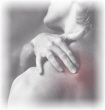
Topical pain relieving medications are applied directly to the skin as a cream, ointment, gel, spray or some variation of a patch. These pain relievers are used to reduce inflammation below the skin's surface and cause nerve pain to subside. They can be used to treat most forms of arthritis, whiplash, sprains and strains, as well as any muscular or joint pain. Typically, the most common users of topical pain relievers are the elderly (higher percentage with arthritis) and atheletes (higher likelihood for sore muscles). Some of these drugs are available only with a doctor's prescription, while other can by purchased over-the-counter at almost any store with pharmaceuticals.
|
|
|
|
 |
|
|
There are three types of topical pain relieving medications, categorized by their active ingredients and how they function. They are: rubefacients, anesthetics and analgesics. Some topical pain relievers penetrate the skin's outer layer and act on the underlying nerves and tissues. Other medications affect onto the skin's outer surface, providing a more temporary form of relief. The substances that are abosrbed into the epidermis cause one of
|
|
|
|
|
|
two reactions when they reach the inflamed nerves. The pain is either "masked" by causing a warm/cold sensation that distracts the brain's pain sensory receptors, or the nerves are directly attacked, creating a numb sensation that will temporarily eliminate the feeling of pain.
|
|
|
|
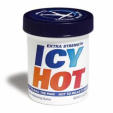
Topical pain relievers are all very safe and effective, even for long term use. Because they only work where they are directly applied, the risk of side effects is significantly lower than that of oral pain relievers. Some examples of topical pain relievers include Capzasin-P, Aspercreme, BenGay, IcyHot, Zostrix, and the Lidoderm. |
|