| Ingredients (and the chemistry behind them!) |
||||||||||||||||||||||||||||||||||
![]() |
||||||||||||||||||||||||||||||||||
![]() |
||||||||||||||||||||||||||||||||||
| Topical pain relievers are very complex medications. They are created by a combination of chemicals that cause reactions to reduce the sensation of pain. Different groups of topical pain relievers have specific, active ingredients that classify them in that way. On this page, I'm going to choose the single most common chemical for each group and concentrate on those three. As it may be, these are also the ingredients found in what buyers have come to consider the "best" or most effective pain relievers to fit their specific needs. They are: lidocaine (an anesthetic), methyl salicylate (a rubefacient) and capsaicin (an analgesic). | ||||||||||||||||||||||||||||||||||
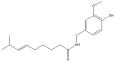
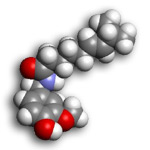
| CAPSAICIN Formula: C18H27NO3 Physical State: white crystalline powder Boiling Point: 81 degrees C Melting Point: 65 degrees C Molecular Weight: 305.46 g/mol |
||||||||||||||||||||||||||||||||||
![]() |
||||||||||||||||||||||||||||||||||
![]() |
||||||||||||||||||||||||||||||||||
| <= capsaicin atoms => | ||||||||||||||||||||||||||||||||||
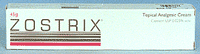
| This chemical is the active ingredient that causes heat in chili peppers. Capsaicin is a very powerful alkaloid (colorless, complex, contains nitrogen and oxygen) that is unaffected by temperature change, creating easy storage. Capsaicin is the active ingredient in most topical analgesics (often in the form of chili oil extract) and causes the nerves to appear overwhelmed by the burning sensations exhibited by the capsaicin's heat. Scientists believe that this temporarily causes the nerves to become unable to convey messages of pain to the brain. Several topical paid medications include capsaicin, some of which are Zostrix and Capzasin-P. |
||||||||||||||||||||||||||||||||||
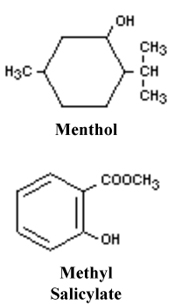
| METHYL (aka trolamine) SALICYLATE Formula: C8H8O3 Physical State: colorless liquid Boiling Point: 223 degrees C Melting Point: -9 degrees C Molecular Weight: 152.15 g/mol |
![]() |
![]() |
||||||||||||||||||||||||||||||||
| <= menthol atom and methyl salicylate atom | ||||||||||||||||||||||||||||||||||
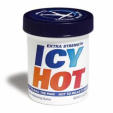
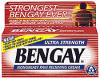
| Methyl Salicylate is the active ingredient of most rubefacients and analgesics. It is a methyl ester of salicylic acid, the acid that is the basis of aspirin (acetyl-salicylic acid) and when in topical pain relievers, rarely is found without it's cooling counterpart, menthol. Unlike other active ingredients of topical pain relievers, methyl salicylate has a very strong odor of wintergreen. The active ingredient in wintergreen oil (Gaultheria procumbens) is methyl salicylate and is used to administer heat to cover up the pain, similar to capsaicin. Topical pain relievers with this chemical are not as effective as those with something stronger, such as capsaicin, but a large percentage of those sold in the United States today contain it. Some of those brand names are BenGay and IcyHot. |
||||||||||||||||||||||||||||||||||
![]() |
||||||||||||||||||||||||||||||||||
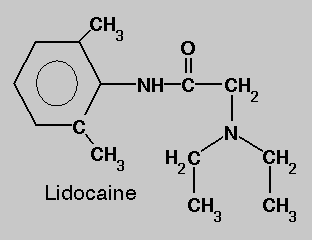
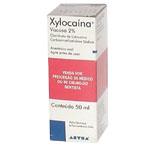
| LIDOCAINE (aka Xylocaine) Formula: C14H22N2O Physical State: white crystalline powder Boiling Point: unknown Melting Point: 69 degrees C Molecular Weight: 243.3 degrees C |
![]() |
|||||||||||||||||||||||||||||||||
| <= lidocaine atom | ||||||||||||||||||||||||||||||||||
| Lidocaine is the chemical most widely used in prescription topical pain relievers. It works rapidly and efficiently to provide it's user with immediate relief. For those with chronic pain, topical pain relievers containing lidocaine are beneficial as they are available in such forms as a patch and frequent application is unecessary. When used as the active ingredient in topical medications, lidocaine's original crystalline compound state is created and used into the hydrochloride form (C14H22N2O + HCl + H2O). Lidocaine cannot be extracted from a source in nature like the other popular active ingredients I have outlined. This chemical must be made synthetically. Topical medications containing lidocaine are not available for over-the-counter sale, but one type a doctor might prescribe is the lidocaine patch. |
||||||||||||||||||||||||||||||||||