 |
 |
 |
 |
 |
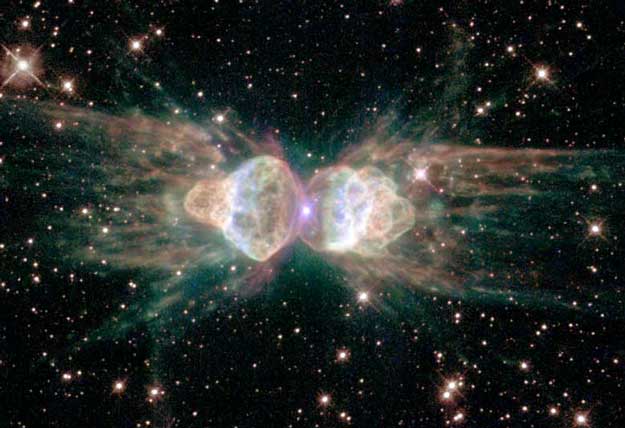
| To the left here is a planetary nebula called the Ant Nebula, no one knows why thiis nebula is so irregular, there are theories that it is caused by the magnetic feild of the star in the center, or another possible conclusion is that a much smaller companion star is causing this but, it is still unknown as to what causes this irregularity but I sure enjoyed seeing it for my first time. Magnitude - Unknown Other Name - Mz3 Size - Unknown Nebula Class - Unknown |
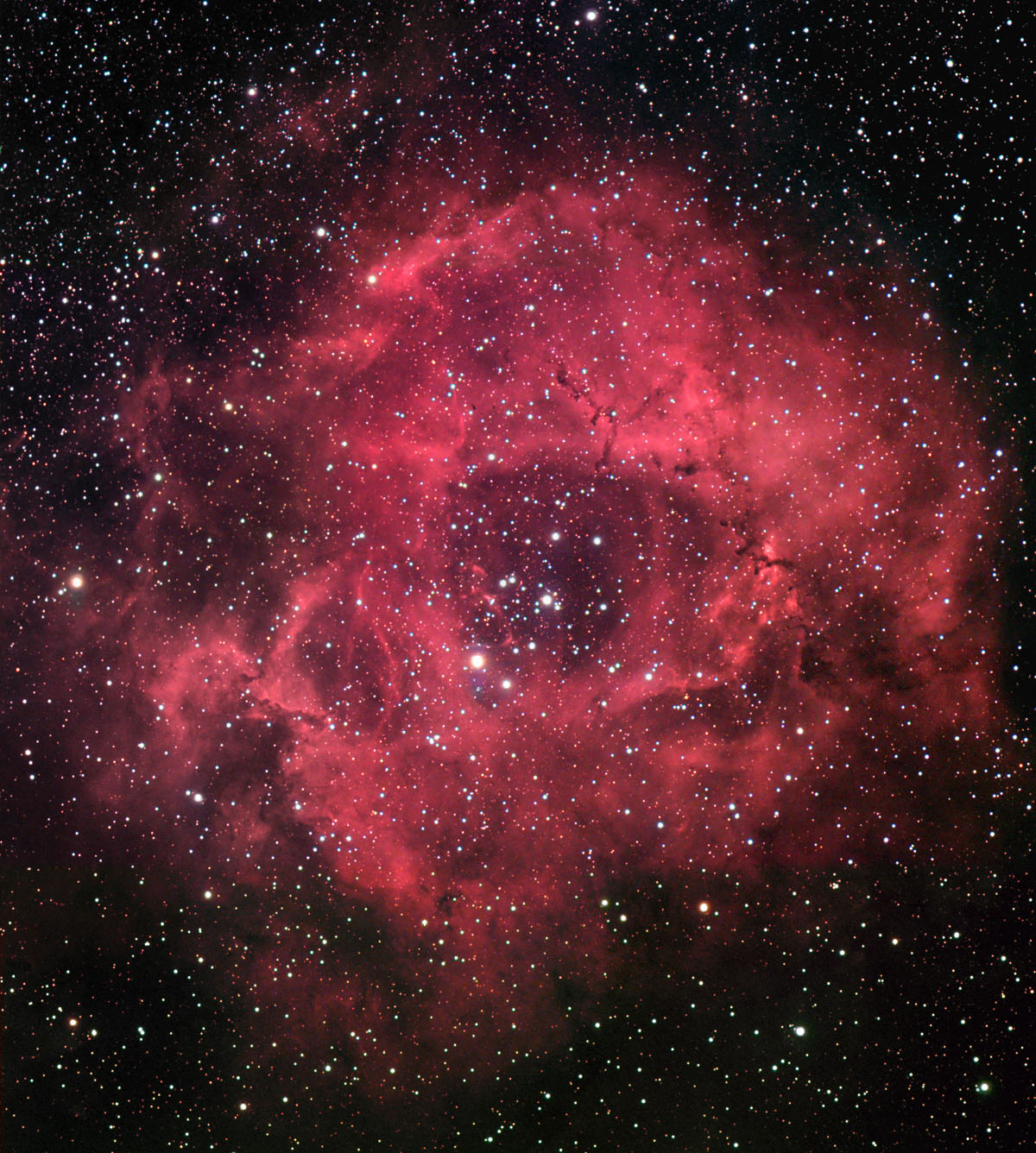
| The Rosette Nebula is a very massive nebula classified as beautiful by some astronomers one of the largest nebulas in deep sky today it is over one hundred light years wide. the young hot stars in the center of this nebula also classified as NGC 2244 are having dual affects on this nebula with their solar winds eating a hole in the center, and the ultraviolet light emmitted by the stars is illuminating the nebula with its reddish color. it is a tribute to our sky. Magnitude - 5.5 Other Name - NGC 2237 Size - 80.0' x 60.0' Nebula Class - E |
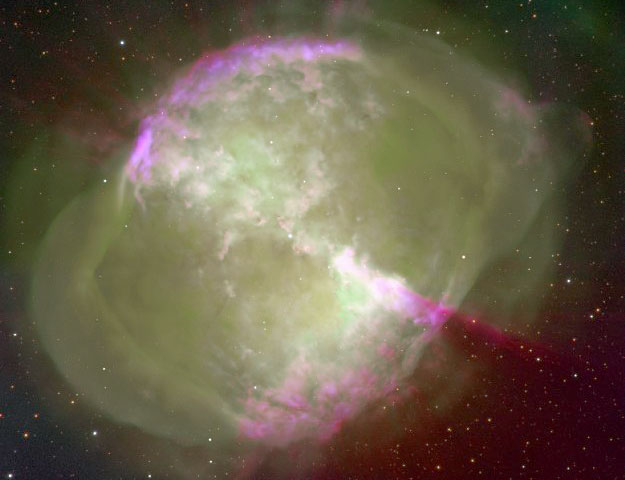
| The Dumbell Nebula is the first planetary nebula that was discovered in 1764 by Charles Messier when he was compiling a list of "annoying diffuse objects" not to be confused with comets which was what he was actually interested in. but it is a nebula that shows what may happen to our sun when all solar fusion stops in the core of our star. Magnitude - 7.3 Other Name - M27 Size - 8.0' x 5.7' Nebula Class - 3(2) |
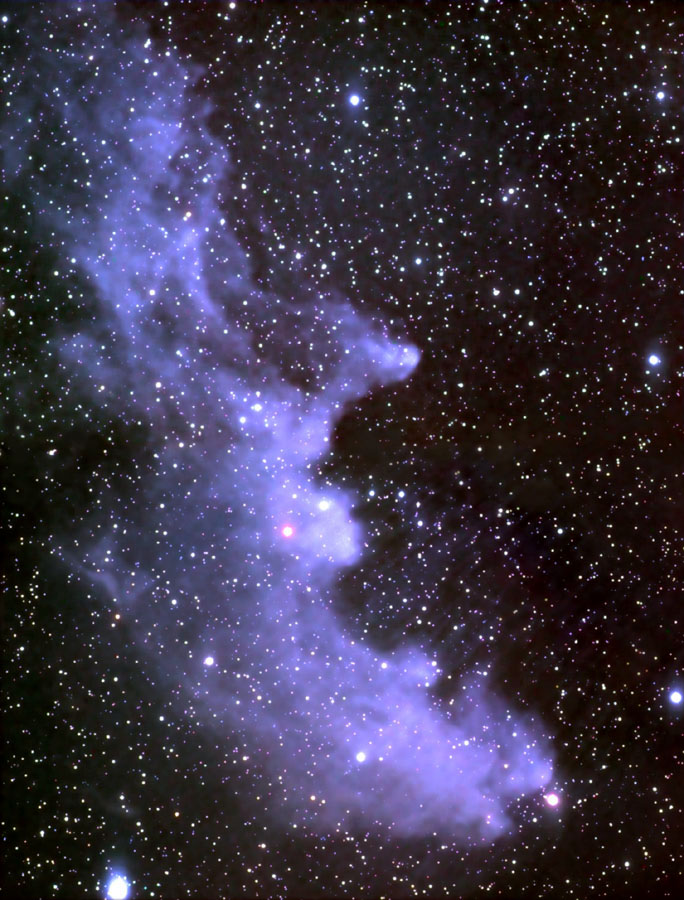
| The Witch Head Nebula is a reflective nebula illuminated by the bright blue star Rigel in Orion. Another reason why it is blue is because the dust grains that make this nebula up reflect blue light more efficiently than red light. Magnitude - Unknown Other Name - IC 2118 Size - Unknown Nebula Class - Unknown |
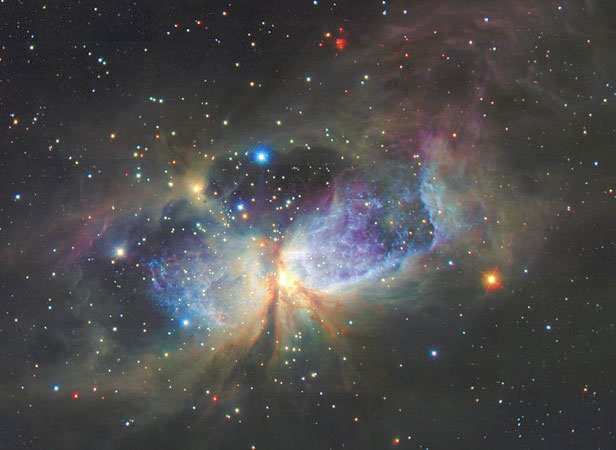
| The Sharpless 106 Nebula formed by the massive Infrared star 4 in the center this region is also a star forming nebula surrounding many brown dwarf stars this nebula is roughly 2 light years across and more than 2000 light years away it is an emmision nebula similar to our own Orion nebula and lies in the direction of the cygnus constellation. Magnitude - Unknown Other Name - S106 Size - Unknown Nebula Class - Unknown |
 |
 |