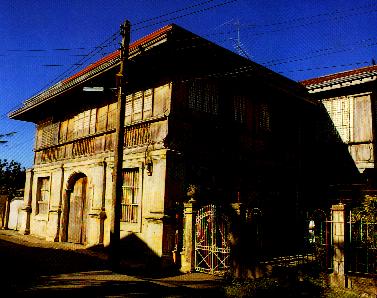
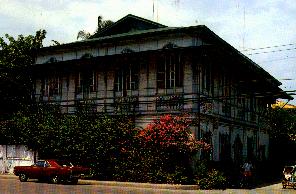
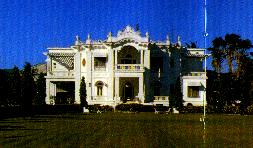
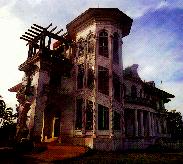
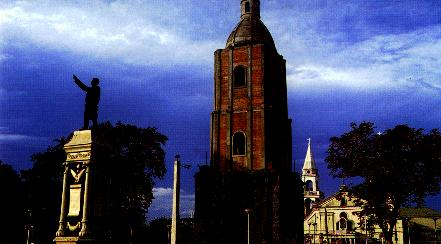
These buildings are located around Jaro Plaza where the Jaro Belfry ruined by an earthquake in 1948 also prominently stands. Across the street is the famous Jaro Cathedral constructed in 1874, where Graciano Lopez-Jaena, a native son, was baptized.
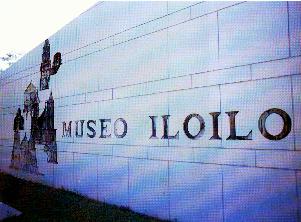 Museo Iloilo is the only museum of such scale outside of Manila. On display are Iloilo's cultural heritage and glorious past.
Fort San Pedro was built by the Spaniards in the early 1600's to thwart raids of Moro pirates, Dutch and English privateers, American and Japanese troops. The first Filipino commercial airline, the Iloilo-Negors Air Express Co. founded by the Lopez brothers, was based at Fort San Pedro.
Museo Iloilo is the only museum of such scale outside of Manila. On display are Iloilo's cultural heritage and glorious past.
Fort San Pedro was built by the Spaniards in the early 1600's to thwart raids of Moro pirates, Dutch and English privateers, American and Japanese troops. The first Filipino commercial airline, the Iloilo-Negors Air Express Co. founded by the Lopez brothers, was based at Fort San Pedro.
Muelle Loney is the city waterfront constructed by Nicholas Loney, a British Consul and Father of the sugar industry in Negros and Iloilo. The opening of the Port of Iloilo contributed to the rapid expansion and development of the city. It is one of the safest seaports in the country.
Villa Beach is the city's picnic ground where the best seafood cuisine and the crispiest lechon and roasted chicken are served.
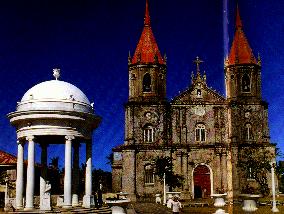 The Molo District is famous for its Gothic-Renaissance Molo Church of coral rock built in 1831 and female saints. Also in Molo is located the Asilo de Molo, an orphanage where princely vestments worn by church dignitaries are hand embroidered by little orphan girls under the supervision of nuns.
HOMEPAGE