
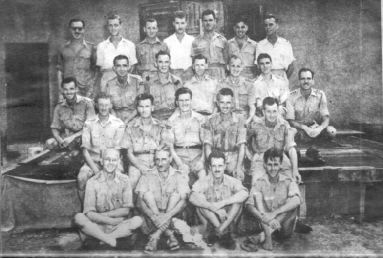
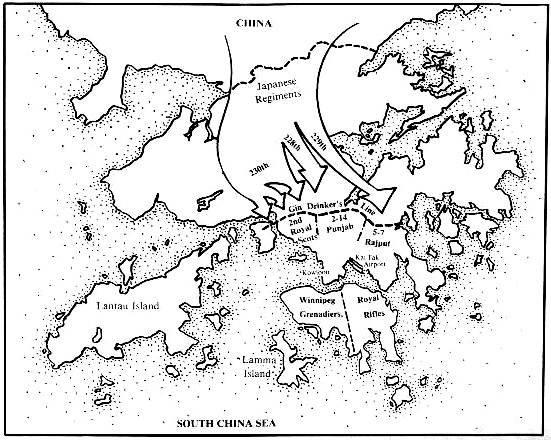
At 3:00 pm, the same day, the British now realized resistance was futile and surrendered to the forces of Japan. Now the defenders of Hong Kong who were from Britain, India and Canada, were now prisoners of war. Most soldiers appeared happy to have survived and many expected to be treated civilly according to the rules set out during the Geneva Convention. They were sadly mistaken and over the next 3 and a half years of captivity, most men would come to envy the dead.
The Canadian prisoners of war were incarcerated at the Shamshuipo prison camp near the centre of Hong Kong. The prisoners were warehoused in steaming, crowded barracks and lived on a daily ration of rice and water. Many prisoners of war succumbed to disease, malnutrition, or the vicious beatings by guards. A total of 266 Canadian POW's died in Japan before they were liberated in September of 1945.
For almost three years, Canadians worked as slave laborers in a giant shipyard near Tokyo. Here, many of the vessels for Japan's war fleet were built and launched - and still are today - by the same corporation that operated during the war, NKK Nippon Kokan.
On New Year Eve of 1943, 16 men were crushed to death when their flimsy barracks roof fell in under the weight of the snow.
In the summer of 1945 most of the Canadians were sent down to work in Japanese coal mines. In these last days of the war, the Emperor's military leaders were planning one last crime. If Japan was invaded, all prisoners of war would be executed.

