(NORWAY)
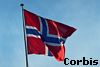
General information about Norway:
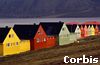
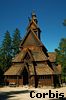
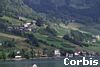
Norway is located on the west side of the Scandinavian peninsula, surrounded by the North Atlantic Ocean to the west, Sweden to the East, and Denmark to the south.
Web links: Check out the Norwegian Embassy in Washington, D.C. (www.norway.org) or www.norge.no/english or the Norwegian government's english page . You might also want to check out Lonely Planet's guide to Norway.
Norwegian language
The Norwegian language(s) were derieved from Old Norse, which was spoken in Scandinavia in the viking age and earlier. It is not known how Old Norse came about, but I think it possibly came from a Germanic language that was perhaps spoken over a wider area.
After the viking age, Old Norse split up into two categories. Danish and Swedish evolved on their own and from each other. Old Icelandic and Old Norwegian also evolved, but were closer to their ancestor. After Norway was united with Denmark, the Danish language was used by the educated classes. The Old Norwegian language was made to be more Danish and was almost lost as a result.
After 1814 Norway was no longer property of Denmark because it had been "won" by Sweden in the Napoleanic wars. Once the Norwegians had their first taste of political freedom, they started becoming more nationalistic. Part of the national pride was pride in the "Norwegian" language. Even though Norwegian similar to Danish, the people who lived in the southern, rural districts of Norway used dialects that were closer to Old Norwegian.
A man named Ivar Aasen was intrigued by these rural dialects. Aasen started a project to compile these dialects into one language, a language free from Danish influence. This new language was first called Landsmal, and later Nynorsk (New Norwegian). The older, Danish-influenced Norwegian was then called Bokmal (book language). Both languages were made the official languages of Norway. Bokmal is used in the eastern parts and cities, and Nynorsk is used mostly in the western and rural parts of Norway. Both languages are taught in schools, and both are used in TV and in newspapers. 70-80 % of the population speaks Bokmal, and 20-30 % speak Nynorsk.
Bokmal, the dominant Norwegian language, is very similar to Danish and Swedish. In fact, it is so similar to Danish that some sentences in both languages are identical. The written languages use the same alphabet and are nearly the same. For example, "What are you called" in Bokmal is Hva heter du?. In Danish, the same phrase is Hvad hedder du? The spoken languages, on the other hand, are very different in pronounciation. I can read Danish just fine, but I have a hard time understand the spoken version.
Swedish, on the other hand, is similar to Norwegian in pronounciation. It uses different spellings and pronounciation marks, though. I don't think that a Norwegian-speaker would have much trouble with Swedish, however. In fact, speakers of all three languages can usually understand each other with no problem.
Icelandic, on the other hand, cannot be easily understood by speakers of Norwegian, Swedish or Danish. The difference is similar to the difference between the English of medieviel times and the English of today's America.
Web links for the Norwegian language:
Travel languages
An article from the Norwegian government
The Human Languages page
Information about Nynorsk and dialects from Lars S. Vikoer
More Nynorsk Info from Lars
A list of Norwegian resources
Do you speak Viking? - A GREAT site about the links between Old Norse and English.
Norwegian language online resources
An article about the Norwegian language and Norwegian-Americans
Information about the phrase "Uff Da!"
Norwegian history and people
I'm not going to try to explain the history and culture of Norway on my own. The following web pages contain a great wealth of information about Norway:
ODIN's history & culture page. An excellent page!!!
A great book about the Vikings
Yahoo's Norwegian society and culture links
The soc.culture.nordic FAQ
Sons of Norway links
Norskland.com-various links, good site
About Norway, made in Norway, by Norwegians
Norseman's Norwegian Culture
Norway.com-cool info about Norway and Norwegian cities, with multimedia features
InfoNorway
Origo Culture History of Norway
Norwegian Shopping on the Internet:
Thanks to the World Wide Web, purchasing Scandinavia-related products has never been easier. There are many different stores popping up that offer items from or about Norway. You can even buy your lefse over the net! (although I'd recommend making it yourself. Here are just a few of the online stores where you can buy Norwegian food and gifts:
www.scanselect.com
Norhouse.com
Old Sautee store
Ingebretsen's
nordicsweaters.com
Nordic links
www.trollshop.net
Norsland lefse
www.stabo-imports.com
Northside records
FUTURE SECTIONS:
Norwegian food
Norway - a culinary journey
Famous Norwegians
Norwegian sports and athletes
Norwegian Press
Norwegian holidays
Norwegians in America
Norwegian humor (or lack thereof)
Learning about Norway