 |
|
|
|
|
|
|
|
|
|
|
|
|
|
|
|
|
|
|
|
|
|
|
|
|
|
Soil Organisms |
|
|
|
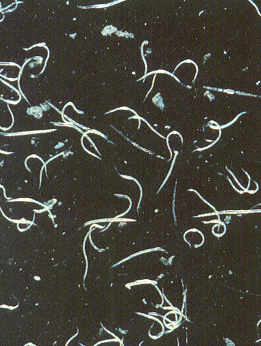
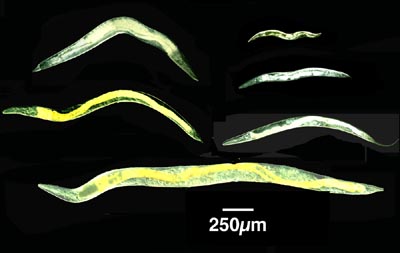
The soil around the retention pond is filled with living things. Nematodes, amoeba, and beetle larvae were positively identified. Soil organisms are responsible for breaking down organic material in order to return nutrients to the soil, and therefore are essential to complete a food web. |
|
|
|
 |
|
|
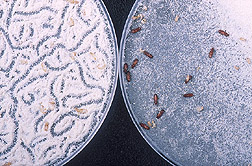
Nematodes are worms with unsegmented, cylindrical bodies narrowing at each end. Most of these are parasitic. They live in the soil, especially around freshwater areas. |
|
|
|
|
|
 |
|
|
|
|
|
|
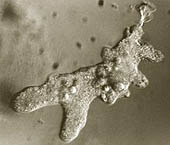
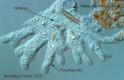
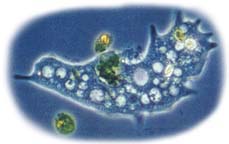
Amoeba are very small members of the Protist Kingdom. Their one cell is typically 5-20 microns long. The shape of their bodies results from the movement of their pseudopodia (false feet). Most amoebas are parasitic. |
|
|
 |
|
|
|
|
|
 |
|
|
|
|
|
|
 |
|
|
|
|
|
|
|
|
|
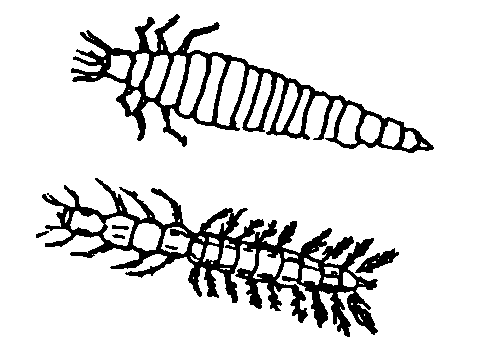
Beetle larvae- The worm-like or larval feeding stage of a beetle. They are equipped with six legs, just like in the adult stages. Beetle larvae are typically found near or in the soil. |
|
|
|
 |
|
|
|
 |
|
|
|