 |
|
|
|
|
|
|
|
|
|
|
|
|
|
|
|
|
|
|
|
|
|
|
|
|
|
|
|
|
|
|
|
|
|
|
|
|
|
|
|
|
|
|
|
|
Plants |
|
|
One of the most obvious forms of wildlife at the Lakewood/Willowlake Retention Pond are the trees, plants, and shrubs. They provide homes for animals, shelter from the wind, and add oxygen to the atmosphere, among other positive contributions. As you will see, the producers in this ecosystem are highly diversified and therefore each have different roles. |
|
|
|
 |
|
|
|
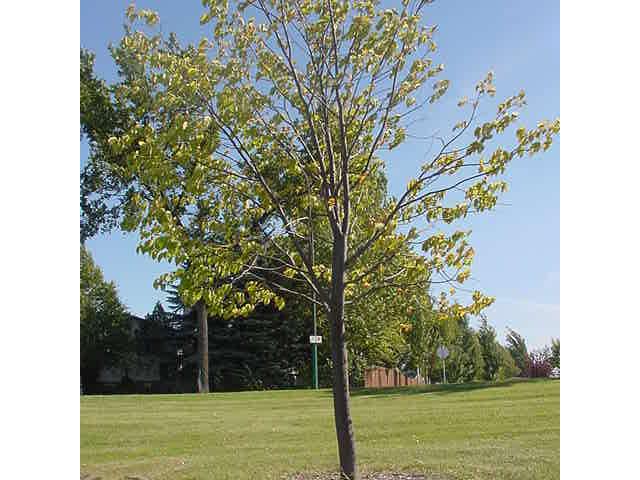
Ash Trees- These are found throughout this area of Winnipeg. Characteristic are finely-toothed leaves opposite on the stems. Ash trees are usually found in northern or temperate areas of the world. They are especially valued for their high-grade lumber and for landscaping. |
|
|
|
|
|
 |
|
|
|
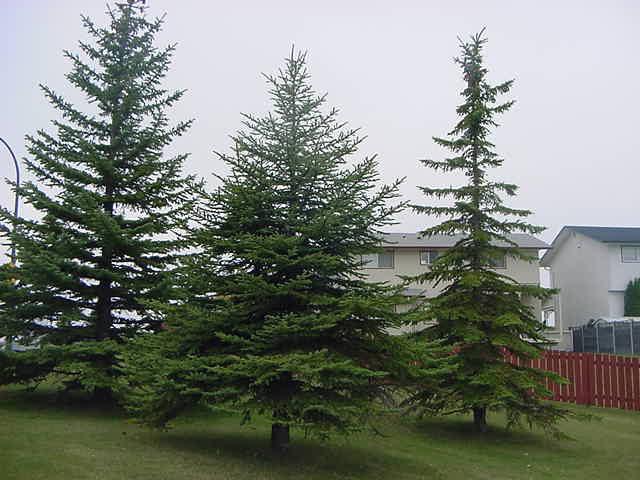
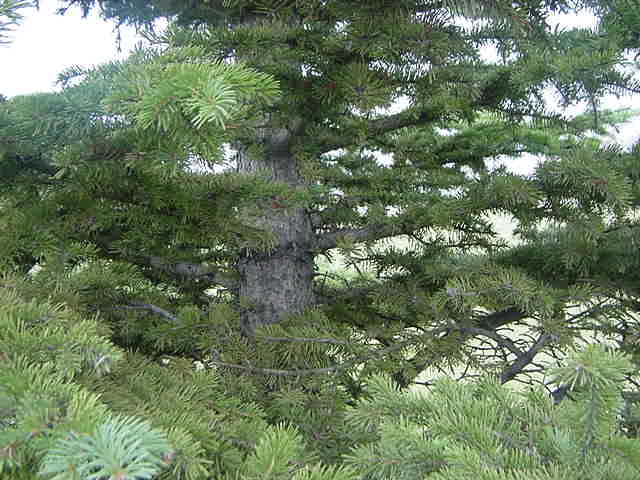
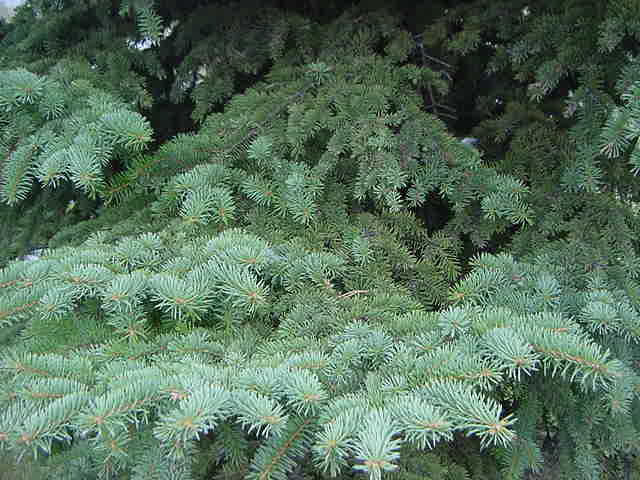
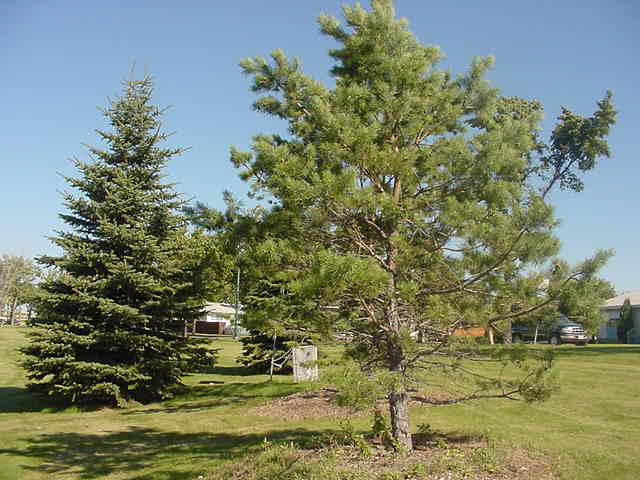
Blue Spruce- It is a common coniferous tree in North America, with sharp blue-grey needles, thus its name. |
|
|
|
|
 |
|
|
|
|
|
|
 |
|
|
|
|
|
|
|
|
|
 |
|
|
|
 |
|
|
|
|
 |
|
|
|
|
|
|
|
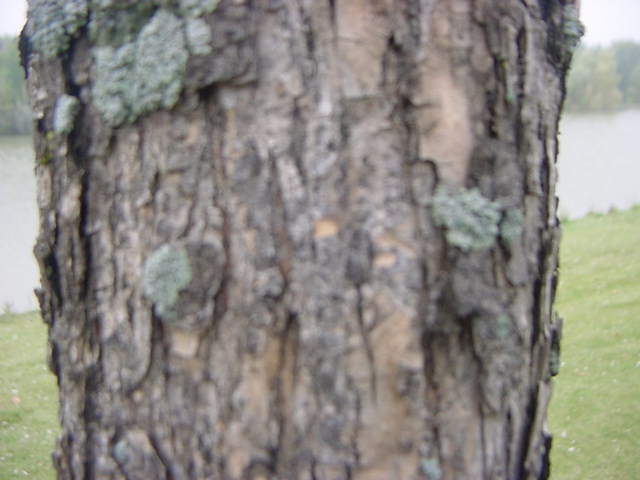
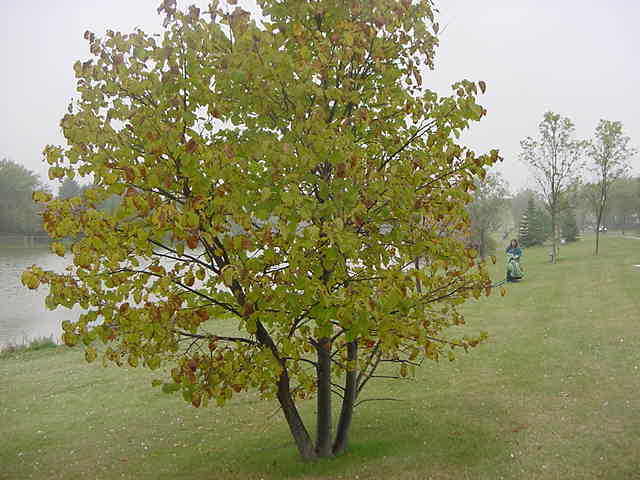
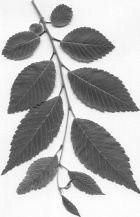
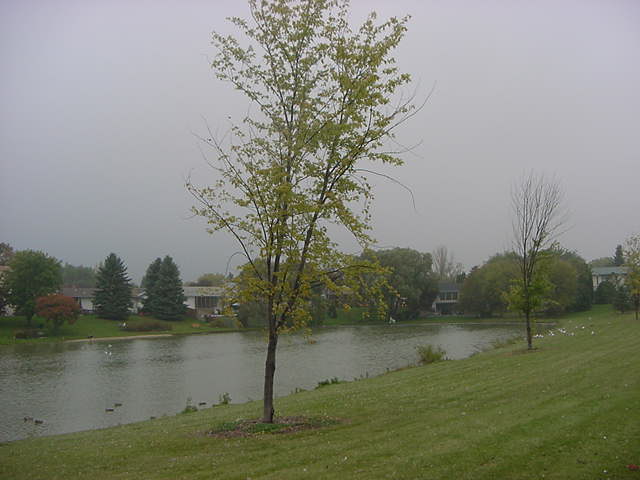
Manchurian Elm- Known more commonly as the Siberian Elm, it either be in the form of a hedge or a tree. It is a smaller version of the Japanese elm, as it usally reaches only 12 metres compared to 30. The Manchurian Elm is found in northern regions of Canada, the US, and Russia. |
|
|
|
 |
|
|
|
 |
|
|
|
|
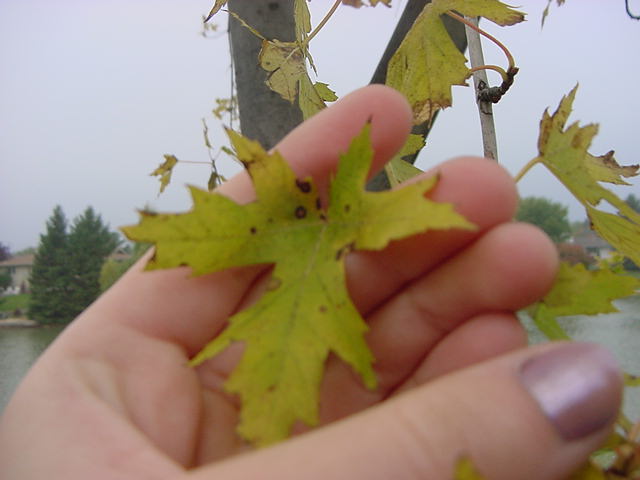
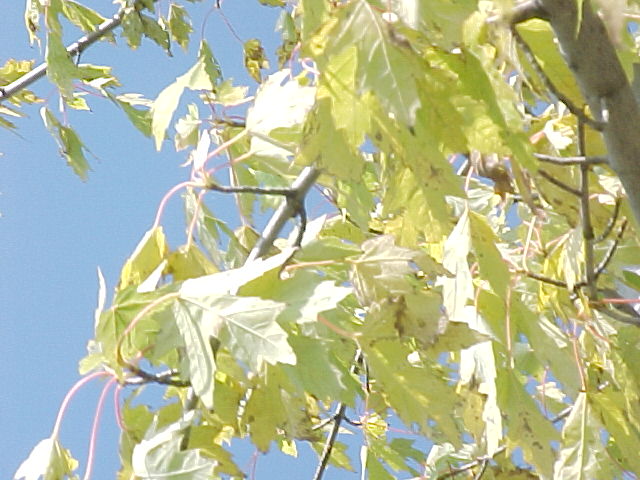
Maple Trees- A small family of trees, which are widespread throughout the Northern Hemisphere. They are typically grown in residential areas because of their foliage and beautifully coloured leaves in autumn. |
|
|
|
|
|
|
|
 |
|
|
|
|
|
|
|
Pine Trees- A large family of mostly coniferous trees. They are a very important source of timber and pulpwood. These trees contain cones, separate for male and female, but both produced by the same tree. There are many different species within this family, and therefore many different characteristics. |
|
|
|
|
|
|
 |
|
|
|
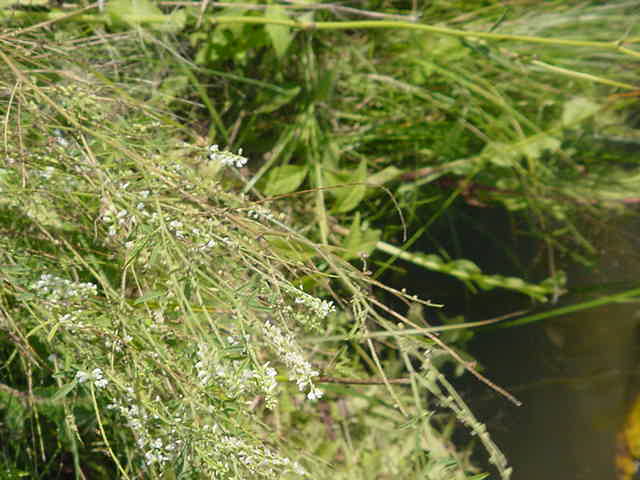
Purple Clover- A Euroasian plant brought to North American by European immigrants. It is also known as red clover and has trifolage leaves. It is commonly used in agriculture as a "cover crop." |
|
|
|
 |
|
|
|
|
|
Click here to continue... |
|
|
 |
|
|
|
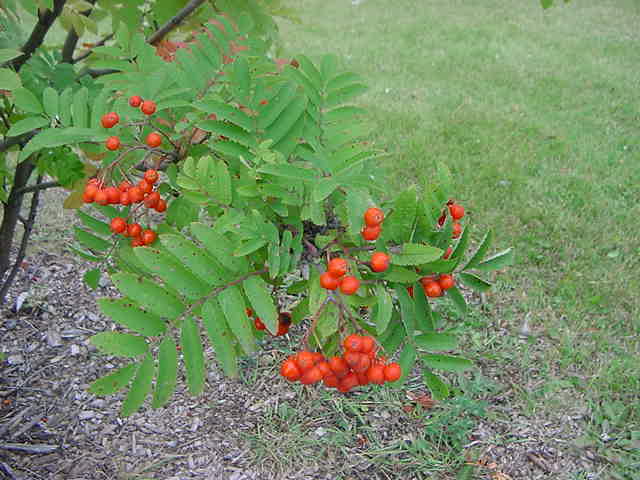
Mountain Ash- A type of deciduous tree/shrub of the rose family. It has small white flowers and clusters of orange or red berries. Mountain Ash is indigenous to North America.
|
|
|
|
|