 |
|
|
|
|
|
|
|
|
|
|
|
|
|
|
|
|
|
|
|
|
|
|
|
|
|
|
|
|
|
|
|
|
|
|
|
|
|
|
|
|
Birds and Ducks |
|
|
|
 |
|
|
 |
|
 |
|
|
|
|
 |
|
|
|
|
|
|
|
|
|
|
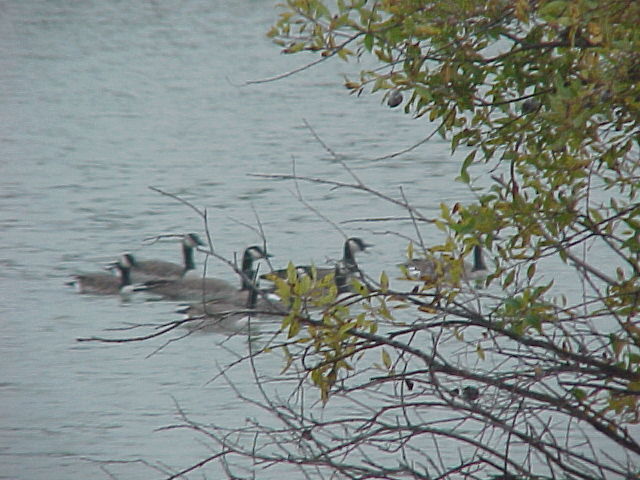
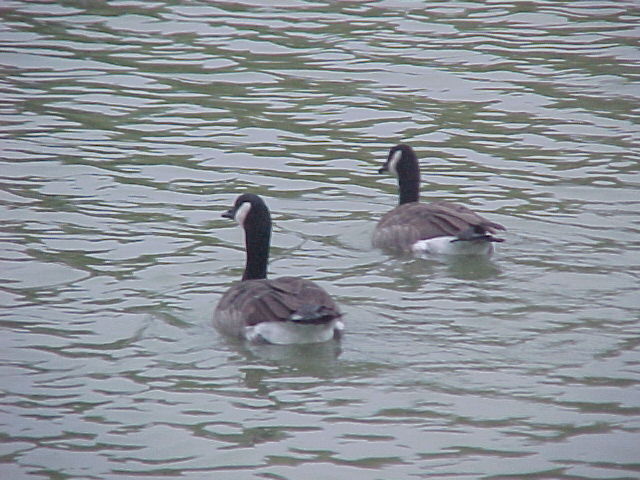
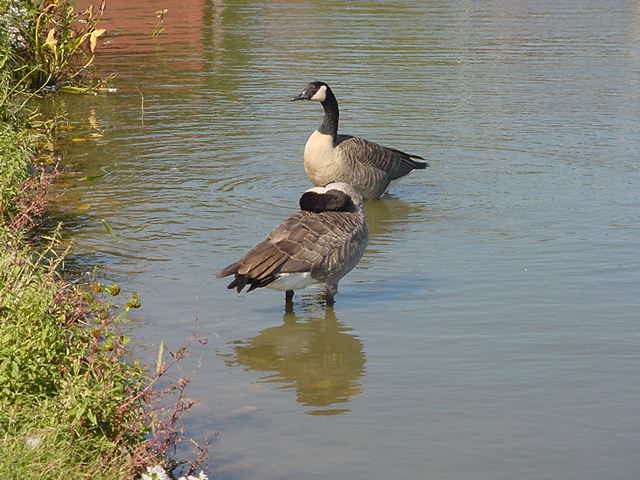
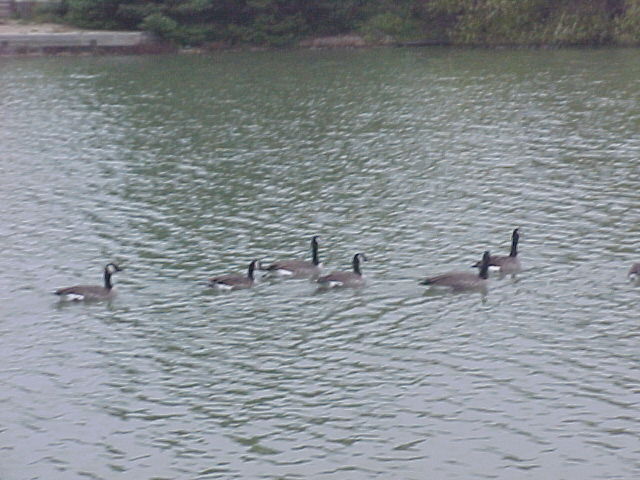
Canada Geese are birds often associated with North America. They fly in a "V" formation and have an identifying "honk." They are quite abundant at the retention pond in the spring and fall, during their migrating season. Canadian Geese fly south many kilometers to warmer temperatures for the winter season. |
|
|
|
 |
|
|
|
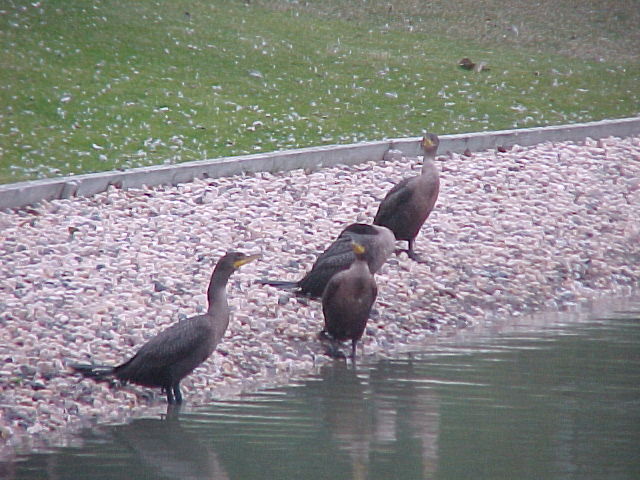
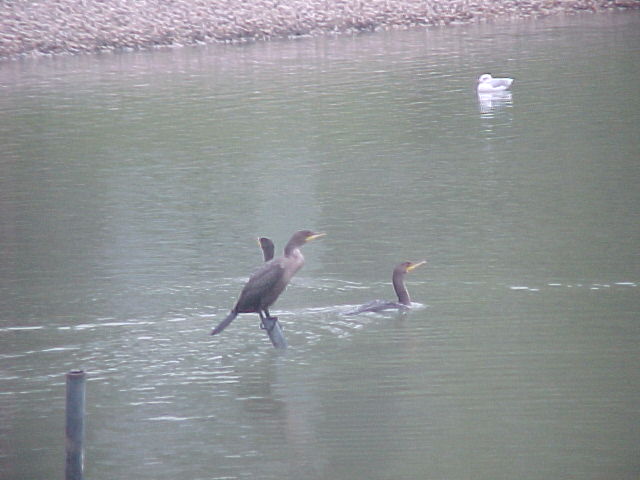
The Double Crested Cormorant is large aquatic bird, related to the pelican, found by the sea and inland waters. They can be up to one metre long and have dark feathers and green eyes. They are excellent swimmers and therefore rely mostly on fish for food. |
|
 |
|
|
|
|
|
|
|
 |
|
 |
|
|
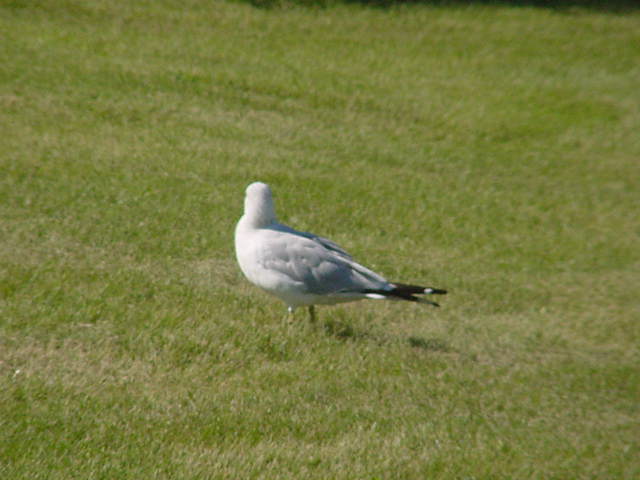
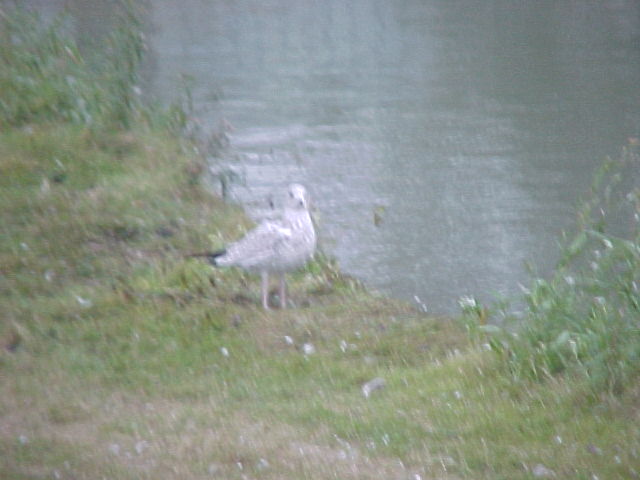
Herring Gulls are large and bulky aquatic birds with square tails. Their feathers are usually white and they have grey or black markings on their head, back and wings. Traditionally, herring gulls ate mostly insects and fish, but now they are found quite often at garbage dumps. |
|
|
|
|
|
 |
|
|
 |
|
|
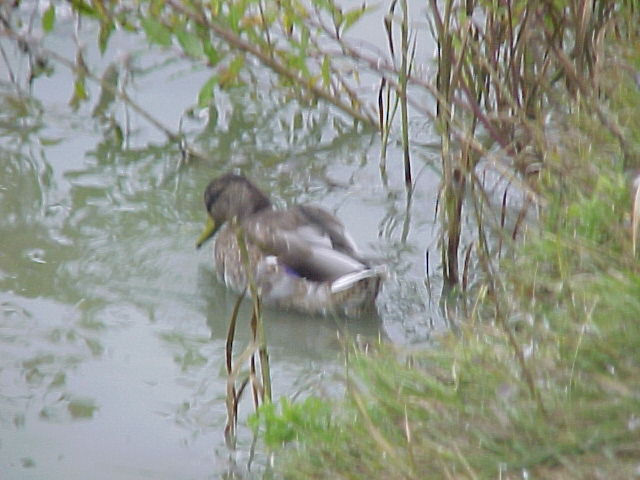
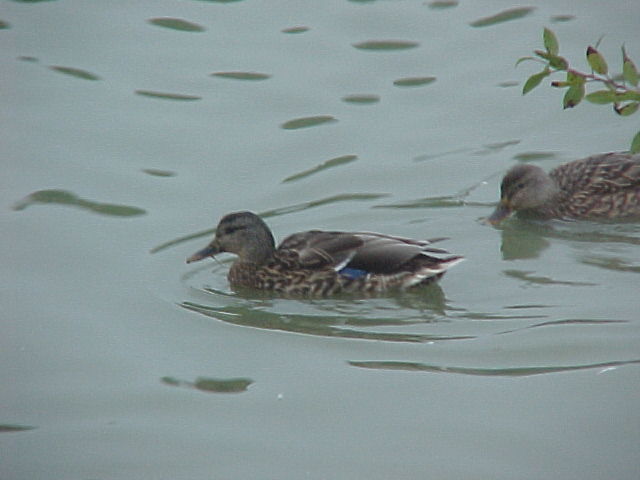
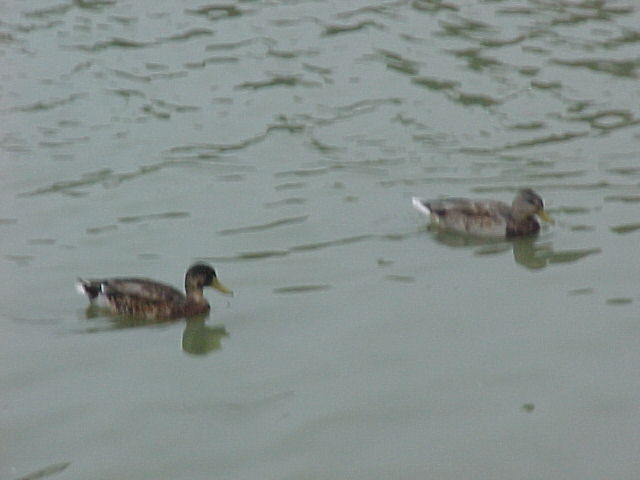
Mallard Ducks are found in Europe, Asia, and North America. The male (drake) has a green head, white band, brown breast, grey back, white tail, and wings with blue patches. Females are usually brown in colour to camouflage from possible predators. They are usually found in ponds, marshes, and other quiet waters. |
|
|
|
|
|
|
|
 |
|
|
 |
|
|
|
|
|
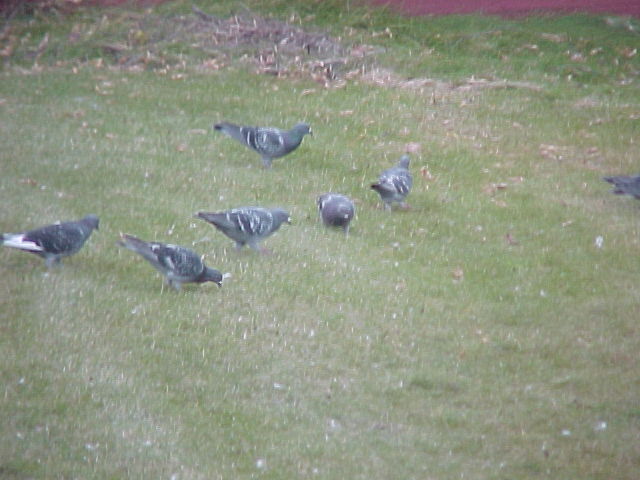
Pigeons are birds with stout bodies, short necks, small heads, and a large amount of feathers. Unlike most other birds, they have specialized bills so that they can suck water up quickly. They mainly eat fruits and seeds, but they will eat "human food" as well. |
|
|
|
|
|
 |
|
|
 |
|
|
|
|
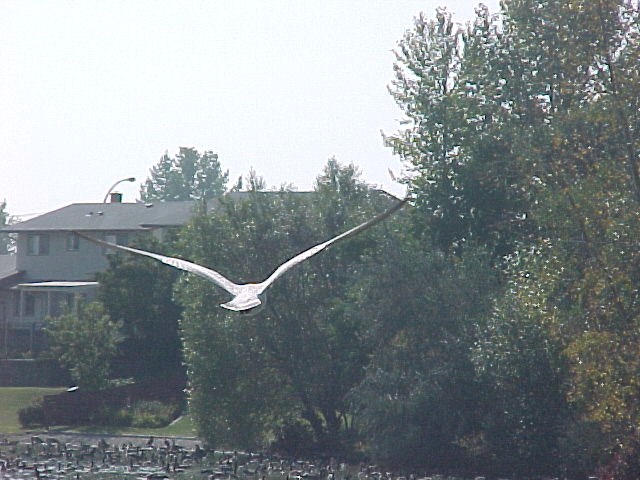
The seagull is a gull usually found near coastal areas. They are 20 to 80 centimetres long and have a hooked bill. They have a long lifespan of up to 45 years. |
|
|
|
|
|
|
|
|
|
 |
|
|
|
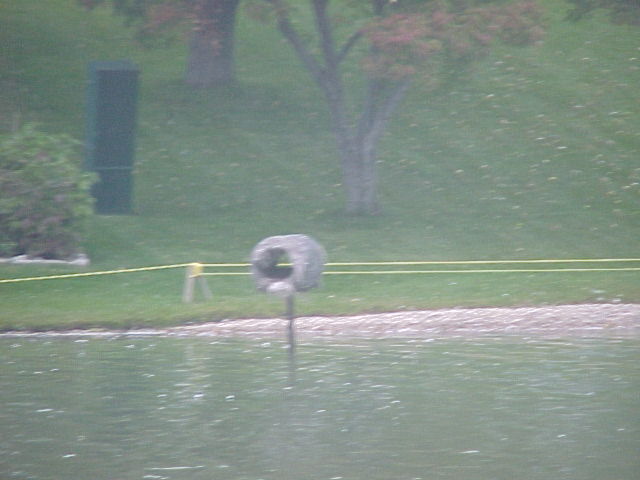
This is a nesting box, a place where birds can perch. It is made of material which can be used for nest construction. |
|
|
|