What are respirocytes?
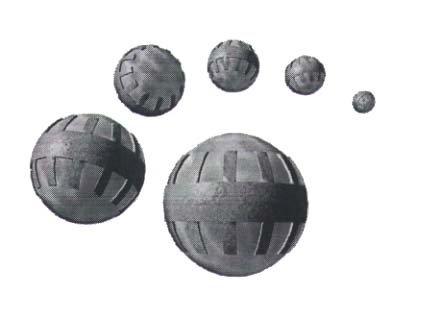
Respirocytes are mechanical artificial red blood cells.
They are designed to operate on the molecular level.
Each respirocyte is between 0.2 and 2 microns in diameter.
How do respirocytes work?
Respirocytes exchange gasses via molecular sorting rotors.
The rotors have specially shaped tips to catch particular types of molecules.
Gas molecules are stored tightly in tanks.
What can respirocytes be used for?
Respirocytes can provide a temporary replacement for natural blood cells in the case of an emergency.
Respirocytes can also be used for other problems with gasses in the bloodstream.
If a diver surfaces too quickly, he or she often suffers from the "bends", a problem caused by dissolved nitrogen bubbles in the bloodstream.
Respirocytes could be designed to capture nitrogen molecules during dives.
How do respirocytes save lives?
Once manufactured, respirocytes are filled with oxygen and prepared for use.
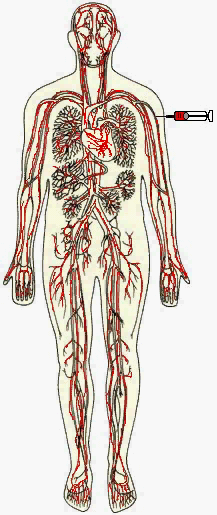
In an emergency situation they can be injected directly into the bloodstream of the endangered individual.
They do not move by their own power, but are carried along in the bloodstream like natural erythrocytes.
Once the respirocytes have dispersed they begin releasing oxygen and collecting carbon dioxide.
Why are respirocytes important?
Although early respirocytes will be used for emergency respiratory functions, they may eventually lead to permanent replacement for natural red blood cells.
Temporary respirocytes would be extremely effective in saving lives, but do have limitations.
Permanent substitution would greatly increase the energy efficiency of the human body and the safety of everyday life.
This may be the ultimate legacy of respirocytes.