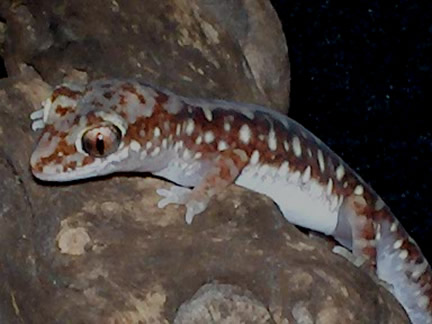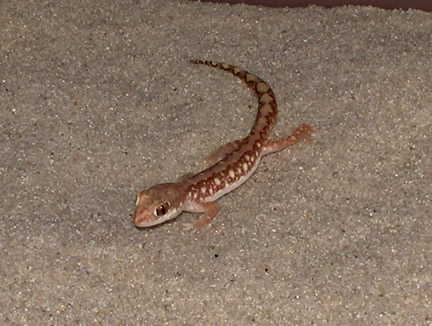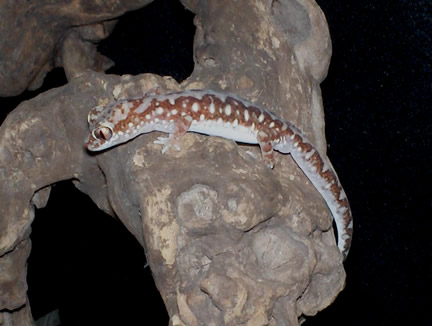
Diplodactylus .damaeus
This is a small species only about 4 inches in total lenght. The color ranges from red to almost brown. Hatchlings are very bright with small white bars from the nape of the neck down the back. There is almost allways a complete dorsal stripe to the first 1/4 of the tail once they reach a subadult size. A very easy and hardy species, when given the proper conditions this Diplodactylus breeds well in captivity. This species is great for beginners to seasoned veterans. Diplodactylus dameus is a very popular species with many gecko collectors and breeders.
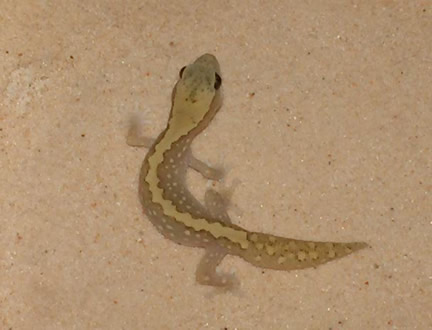
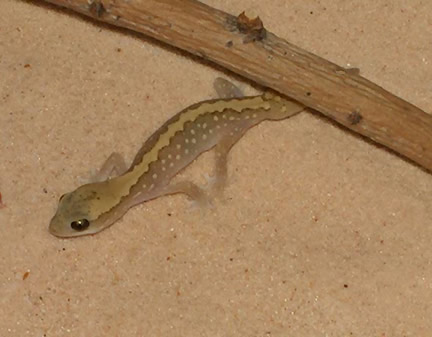
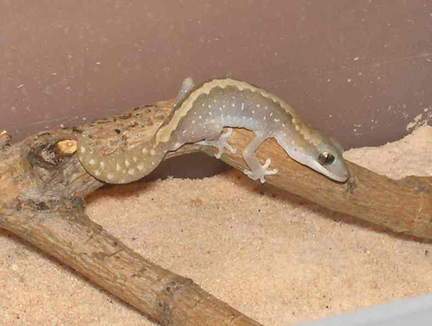
Diplodactylus .vittatus
This Diplodactylus species is also known as the Australian wood gecko. They are a nice tanish yellow to dark brown almost black with a lighter dorsal stripe ending at the base of the tail where it breaks up into spots. With an attitude similar to Diplodactylus tesselatus, they can be a joy to any collector or breeder. The wood gecko can thrive in captivity with little effort, and is still concidered to be one of the more rare diplodactylus in captivity.
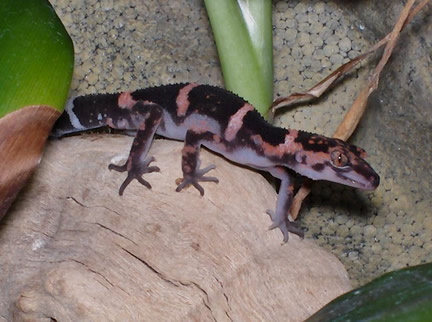
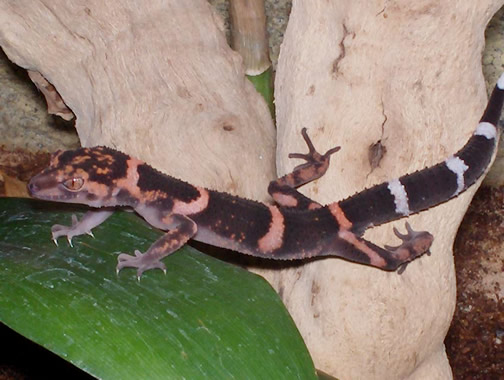
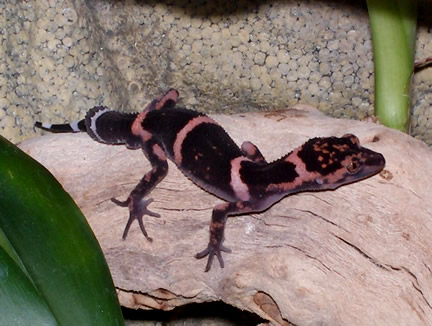
Goniurosaurus .splendens
The Japanese leopard gecko is one of the amazing geckos found on the Ryukyu islands of Japan. Splendens is not large like the more common species of the genus Goniurosaurus, and is only about 4.5 inches in total length. A very secretive gecko with a criptic pattern and elegant locomotion, does well in captivity if kept somewhat cool and moist. A very colorful species with pink body bands and white tail bands on a dark brown to black body. Goniurosaurs splendens is still uncommon in captive collections.
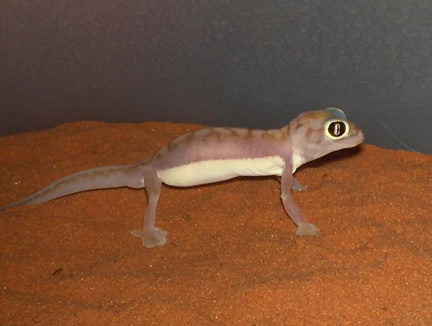
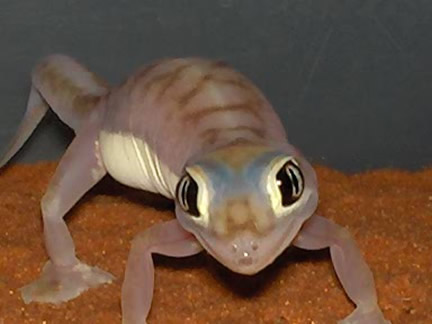
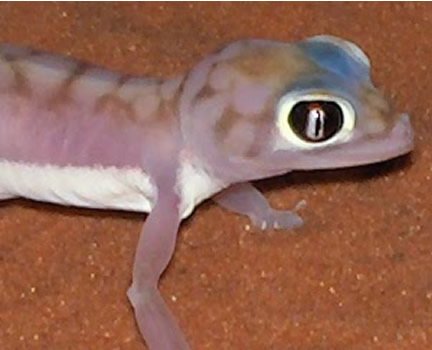
Palmatogecko .rangei

Also known as the webfoot gecko, they inhabit the sand dunes of the Damib desert. Captive care is fairly easy with minimal effort to meet requirements. With a very translucent skin it is easy to tell when they will lay eggs. Pink to purple in color with some having heavy pattern,and some lack almost all of the pattern. At around 5 inches total length, they are not a larger gecko species.

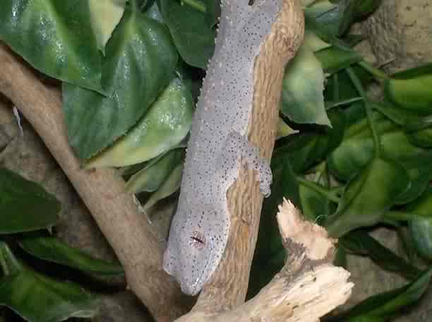
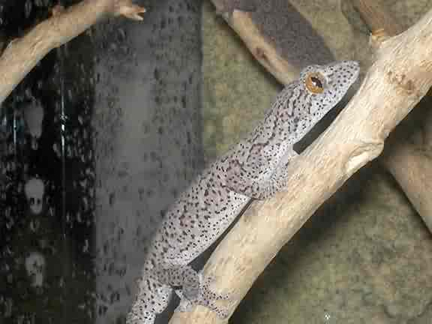
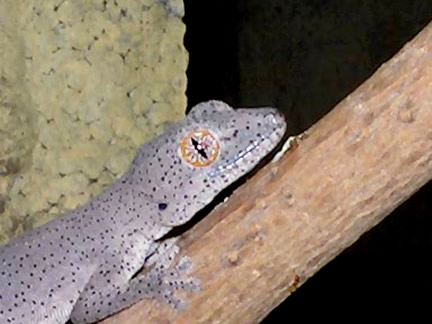
Strophurus .williamsi
These are some of the most interesting geckos. With a color of light to medeium grey, these geckos can have a hevy reticulated or a light spotted pattern. Both forms have about 4 rows of soft spines which start at the mid back extending to the tip of the tail. It seems that the reticulated form has an eye and soft spine color witch is more orange. The spotted form seems to be more light in color all around. The spotted form seem to get alittle larger at about 4.5 inches.
All content© 2006 Geckopolis Int'l. All rights reserved...


Hosted by www.Geocities.ws

1