The Heart of the Philippines
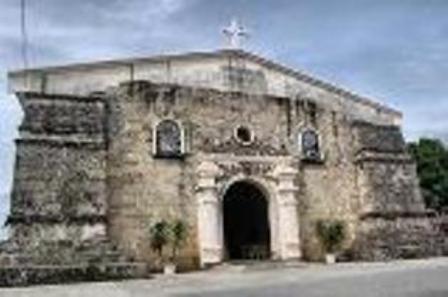
The Miag-ao Church, or Church of Santo Tomas de Villanueva, was built in 1786 by Spanish Augustinian missionaries and was declared as part of the UNESCO World Heritage Site "Baroque Churches of the Philippines" in 1993. On the front facade, which is flanked by two watchtower belfries, one can see the unique blending of Spanish and native influences.The church and its watchtowers were also built to defend the town and its people against raids by the Moros. It therefore has thick walls and, reportedly, secret passages. Indeed stretching along the Iloilo coast are defensive towers, but none that equal the size of the Miag-ao. It is because of this defensive purpose that it is sometimes referred to as the Miag-ao Fortress Church.
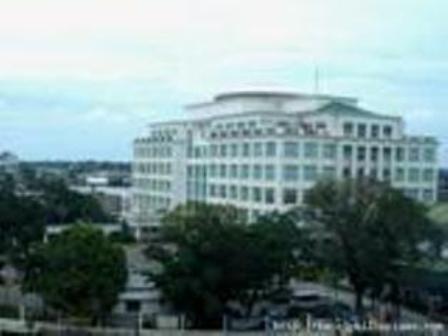
Casa Real is the Capitol Building in Iloilo. It was built in 1840 during the Spanish times and was the alcalde-mayor or governor's official residence. The Arroyo Fountain is the former location of the Flagpole which stood until 1927. Jose Zulueta, the governor of the province at that time, remolded the Casa Real in 1960. The colonnade was removed from the original structure of the Casa Real. The capitol was severely damaged due to an unknown source of fire on November 4, 1998 that destroyed half of the entire building. Gov. Arthur D. Defensor initiated the six-storey Provincial Capitol construction and was brought to completion by Gov. Niel D. Tupas, Sr. The structure stands behind the original Casa Real.
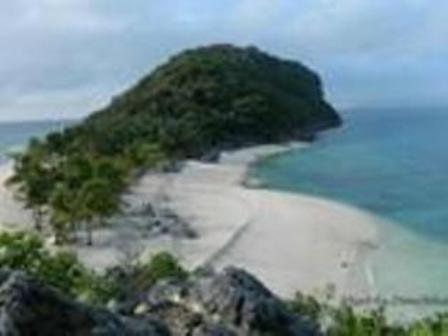
A shroud of concealment and mysticism seemingly looms over Isla Gigantes, group of islands off the coast of Carles and Estancia in Northern Iloilo. If you ask most Ilonggos about Gigantes Islands, they will probably return your question ask you what that is. That�s because the nothern part of Iloilo is the least visited and only a few have dared to travel to those parts since it is not as accessible compared to the towns along the main highways of Panay Island. The few that have gone there, however, are rewarded with a surprising experience of witnessing beautiful sceneries of virgin islands, white sand beaches, colorful marine life, and extraordinary land formations uncharted by the tourist crowd.
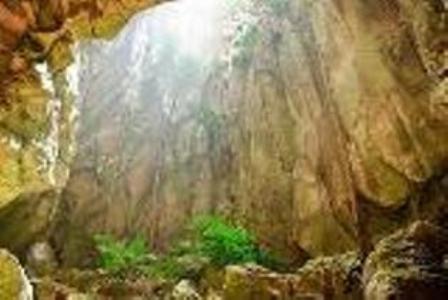
Another exceptional place to visit in Isla Gigantes Sur is �Pawikan Cave,� which can be reached by conquering a steep cliff and entering a hidden forest on top. The trek to the top is not for the weak, the incline is around 45 to 70 degrees and 200+ feet high, however, the effort is worth it after seeing the spacious caverns inside the cave with its otherworldly mood and rock formations. The cave is surprisingly well lit because of several holes on the cave�s roof, which form an atrium of sorts.

Fort San Pedro or Fort Nuestra Senora del Rosario is located along San Pedro Drive in the domestic port area. Quadrilateral in shape, the fort was built between 1603 and 1616 and measured 60 by 60 meters. The walls were composed of cut outs of Guimaras rocks and coral stonesfrom along the Panay Coast. It is approximately 12 feet high from low tide of the sea and 30 feet thick.Fort Sand Pedro was built to protect the city from invaders that threatened Iloilo such as Dutch and Moro pirates. The disrepair of the fort started in the early 20th century and was totally destroyed during during World War II.