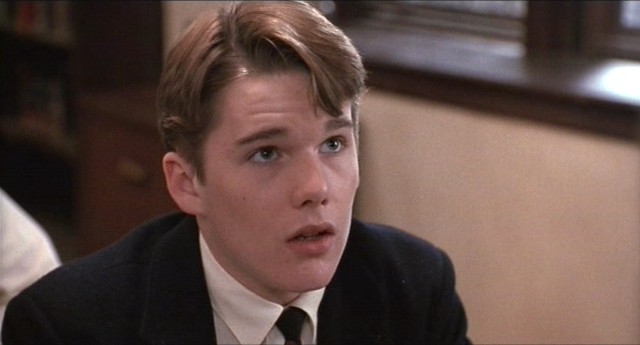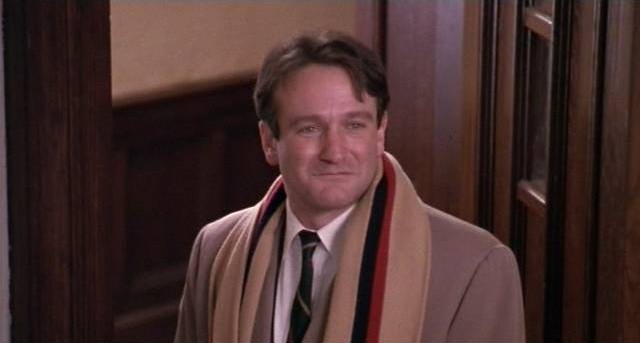



In all actuality it doesn't take much for literature to make me cry be it popular, poetic, or otherwise. What it takes is for the author to make feel what he/she felt, to make a character more real to me than most of the 'real' people I'm aquainted with. I could write about other stories, but it comes down to what makes you feel, period. Any piece of writing or film that can bump me out of Blake's flat line (and yes Keats knows about that too) is a hero to me. Too often are we desensitized by the everyday occurances of life. Anymore it takes something either absolutly fabulous or phenominally devistating to let us remember what it's like to feel. And to feel is to to be alive. It's what makes the experience of life worth living.
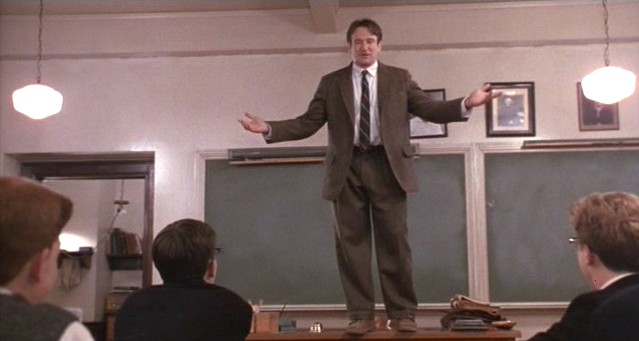
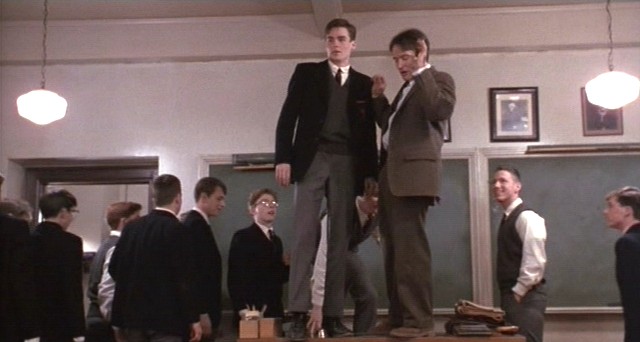
Why do I stand up here?
Mr.Dawson:
To feel taller.
Keating:
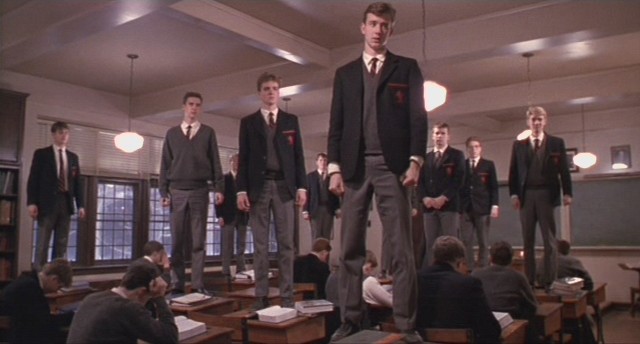
No. [ding] Thank you for playing. I stand upon my desk to remind myself that we must constantly look at things in a different way. See, the world looks very different from up here. You don't believe me? Come see for yourselves. Come on. Just when you think you know something, you have to look at in in another way. Even though it may seem silly, or wrong, you must try. Now, when you read, don't just consider what the author thinks. Consider what you think. Boys, you must strive to find your own voice. Because the longer you wait to begin, the less likely you are to find it at all. Thoreau said:" Most men lead lives in quiet desperation. Don't be resigned by that. Break out. Don't walk just off the edge like lemmings. Look around you. Dare to strike out and find new ground. Now, in addition to your essays, I would like you to compose a poem of your own, an original work.
Class:
Ooh!
Keating:
Oef! La-ha-ha-ha-hum! That's right. You have to deliver it aloud, in front of the class on Monday.
Keating:
Ooh! Bon chance, gentleman. Mr. Anderson! Don't think that I don't know that this assignment scares the hell out of you, you mole.