|
|
Wartime
The first and second world wars both had a significant influence on the
status of women in the workforce. Not only did women do a variety of jobs
during these periods, they proved themselves to be as good as men at doing
them.
While men were off fighting wars, it was the women who stayed back and,
not only maintained households and families, but upheld the 'home front',
taking on many of the vital job roles in society and also temporary war
work like weapon production.
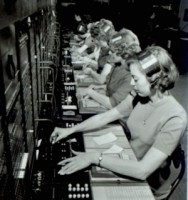
It can not be overlooked that women also played a large role in the wars
themselves- working as nurses, in communication stations and often much
closer to the battlefields.
The most important part of all of this though was that women proved
themselves to be talented, dedicated and efficient workers. While this
time was be no means easy for any woman- money was low as so much of it
was going towards the war effort (and this made it hard to feed families);
factories with heavy machinery introduced new hazards to hair and clothing
(and sometimes limbs) and were generally quite stressful environments;
women were without husbands, brothers or fathers- the sacrifices made by
the women of this time, no matter what their roles, were to have a
permanent positive effect. Women were able to take on the more challenging
jobs that they had always been restricted from. Even though most women had to leave their new positions when the male 'war heroes' came home, they had already been given all that they needed to encourage them to fight for further rights as workers. They had been given a taste of real work, of independence, of a usefulness properly recognised in society. |
|
|
|