
|
|
Modern Workplace 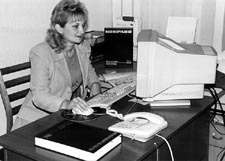 Even after all the progress that has been made for women's place and rights in the workplace, there are many issues today that are still being pushed and debated. These cover a wide range of areas- from equality of power and wealth, to sexual harassment and problems posed by motherhood. Even though women statistically achieve much higher results in end of high school exams than men do, this is not reflected in the number of women in higher managerial positions in companies and corporations, and especially in the fields of law and medicine (specifically specialist doctors and surgeons). These managerial jobs also tend to be the highest paying ones. While some might argue the reason for this is because women do not want, or are not qualified for these positions, there are many factors at play. One of these is that while women are coming through now with high results and the right degrees, it is the generation above them that are in these higher positions. As more young people get promoted to these positions though, it is still clearly most often the men who are selected (by the men above them). In fact in some workplaces women who have positions of authority over men often report that they are not respected as much as their male colleagues, and so even those women in these positions are still undermined. While in most developed countries women's pay rates are generally on par with males doing the same kind of work (and this has not always been the case), there is still a huge difference in the positions that men and women have in the workforce, and therefore their pay. In America more than 90% of those working in childcare, nursing and cosmetology are women, and while some may argue that this is a matter of preference, there is still unbalanced opportunity for women in other fields, and those fields labelled generally as 'women's work' are often low paying. Another factor relating to women in the workplace is maternity leave and motherhood, and the holes that this can leave in a women's career, particularly at crucial points. Their pregnancy and child is not the problem however- it is the way the workplace is set up that make this process so difficult for women who wish to have children while pursuing their career. Women are still fighting for paid maternity leave, childcare facilities in workplaces, more flexibility of hours and holidays, and a guarantee that their job will still be waiting for them when they return from whatever time they needed off to have a child. If governments and organisations were committed to giving women equal opportunities in the workforce, then these things would not be dismissed as ridiculous requests. Bearing children is a part of most women's lives, but this should not have to come at the cost of a career or a promotion. The current system means that many women are delaying starting a family until their late thirties and often until it is too late. Women have proved themselves more than capable in all areas of work, and while they may not all be suited to many positions, they still deserve the choice without the fear and reality of sex based discrimination. Women are not given the same opportunity as men, and are often discriminated against purely for the fact that their bodies can hold and bear children. Workplaces are set up in a way that makes it hard for women to find a balance between her family and work life. The modern workplace it seems, as advanced in thought as it is, is still trying to keep women back in the dark ages- in the home away from the complicated mens world of big money and power. The question is, will women stand for it? The last few decades have seen many women succeed in business, establishing and managing companies, pushing their rights in the workplace and pushing for the facilitates they need to continue working with babies and young children. There is only so much they can do however- it is the men in government and management that need to chose between valuable female workers or unhappy wives, daughters and grand-daughters. |
|
|
|