|
|
|||||
|
|
|
The flapper was evidently different from the traditional woman in a very physical sense. They abandoned the corset, and alongside it, the curvaceous ‘hour-glass’ figure. The ideal silhouette for a flapper was straight and very curveless. The other noticeable change in their dressing was the general decrease in the length of skirts and the shift in their shape. By the end of 1927, the popular skirt length rose up to just below the knee for both day wear and evening wear. They also became straight and very simple, acting to elongate the figure. Unnecessary items such as gloves, high collars and large hats were all discarded.
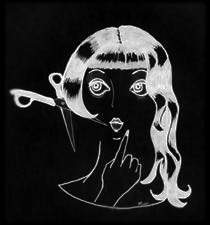
In addition, the flappers cut the long, luxurious hair that was conventionally associated with feminism. They styled their hair short, in a boyish style called the ‘bob’. The flappers also wore heavy made-up — scarlet lips and ringed black eyes were common among young women. |
|||