 |
|
|
|
|
|
|
|
|
|
|
|
|
|
|
|
|
|
|
|
|
|
|
|
|
|
|
|
|
|
|
|
|
|
|
|
|
|
|
|
|
|
|
|
|
|
|
|
|
|
|
|
 |
|
|
SHIZUURA JUNIOR HIGH |
|
|
|
|
|
 |
|
|
|
|
|
|
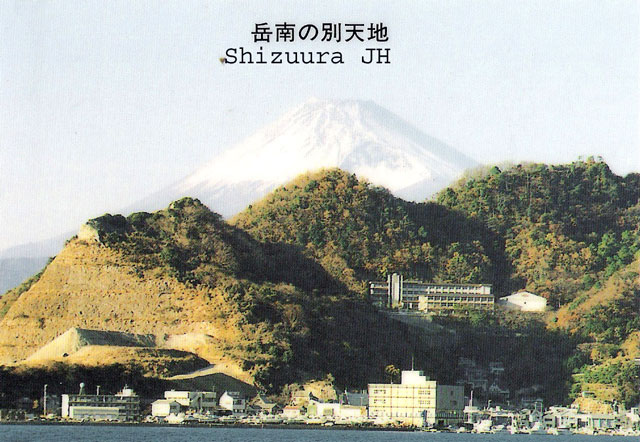
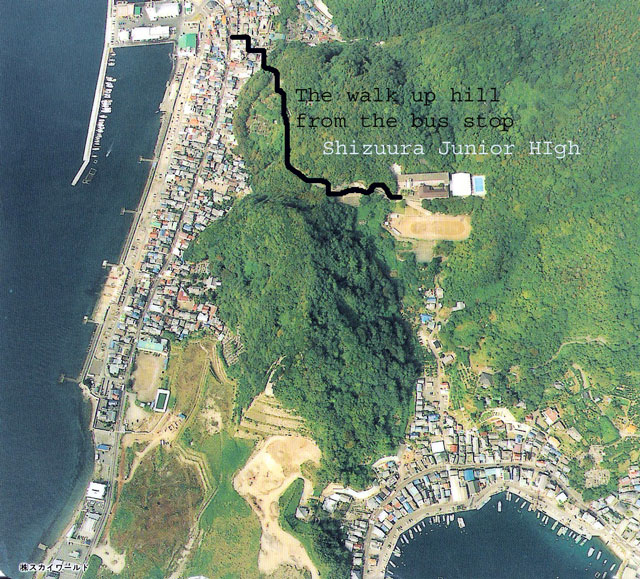
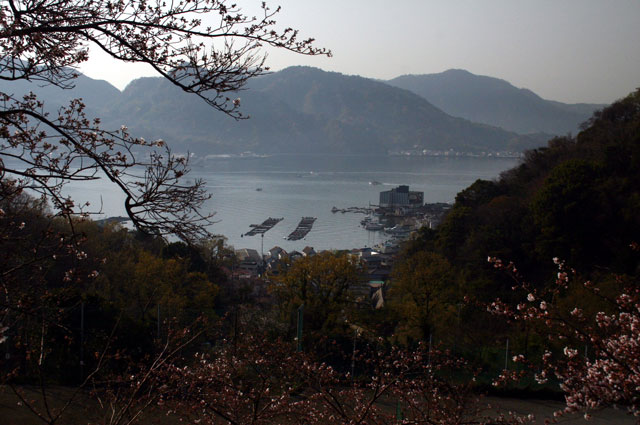
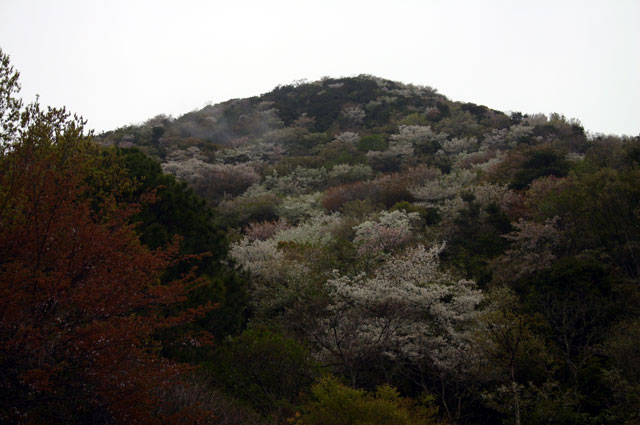
Shizuura is the fourth junior high school I am assigned to. It is the fartherest to travel to. Unlike all the other schools, which I can bike to, I must go there by bus. It takes 25 minutes to travel around the bay to my exit point. Shizuura is located high on a monutain side and it is a steep 20 minute walk up from the bay road. From the teachers' room we have a spectacular view of Suruga Bay far below. In spring, the view is enhanced with 100's of cherry trees in blossom. This school has the fewest students of all the junior highs. There are only two classes in each grade and they average 25 students per class. Other schools had 6 or 7 classes with up to 38 students per class. |
|
|
|
|
|
 |
|
|
|
 |
|
|
|
|
|
 |
|
|
|
 |
|
|
|
|
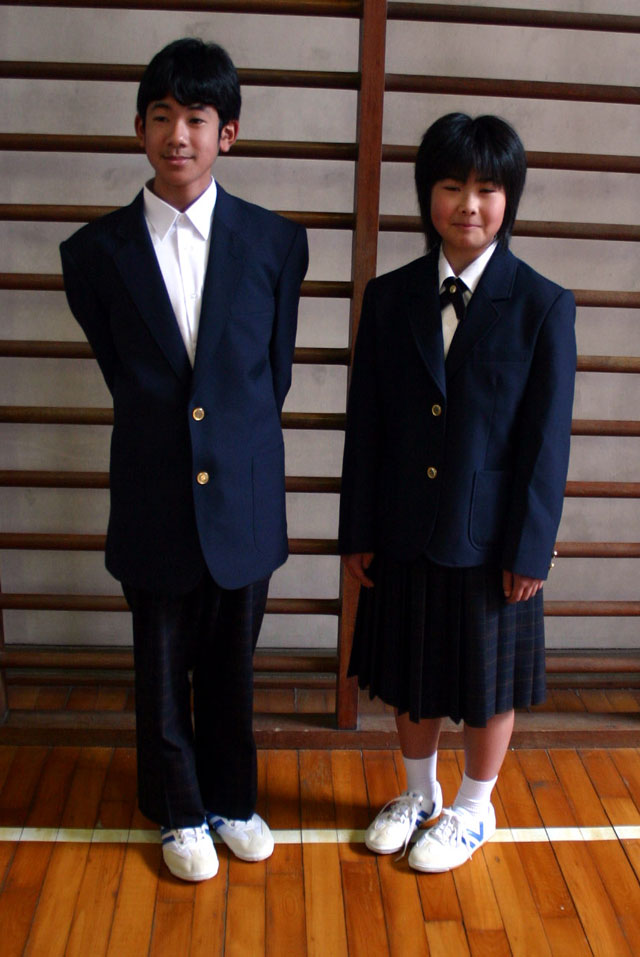
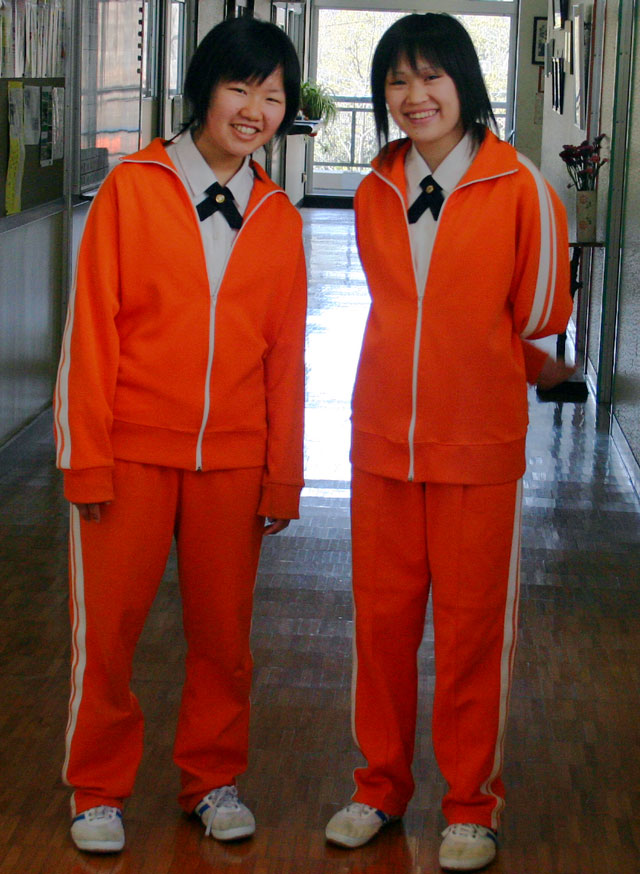
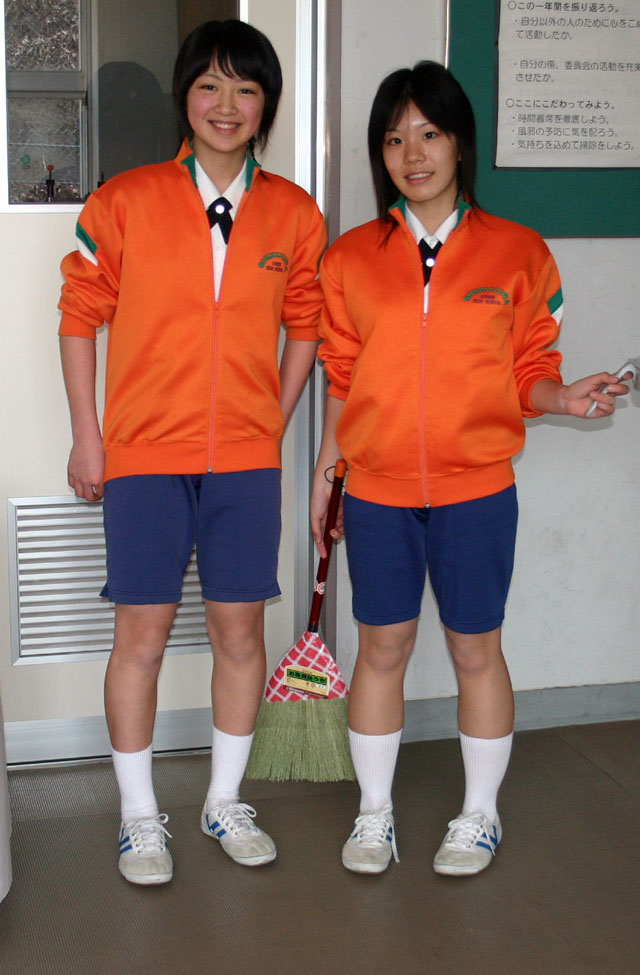
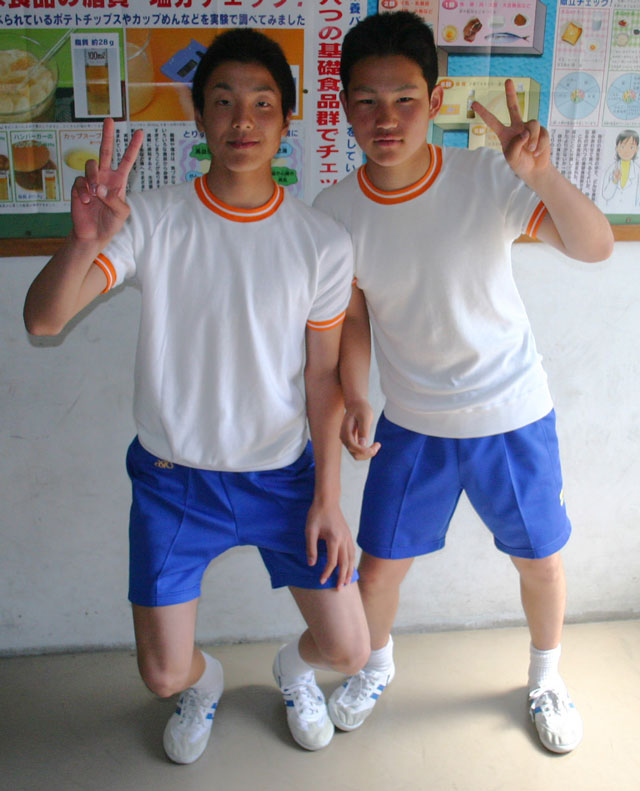
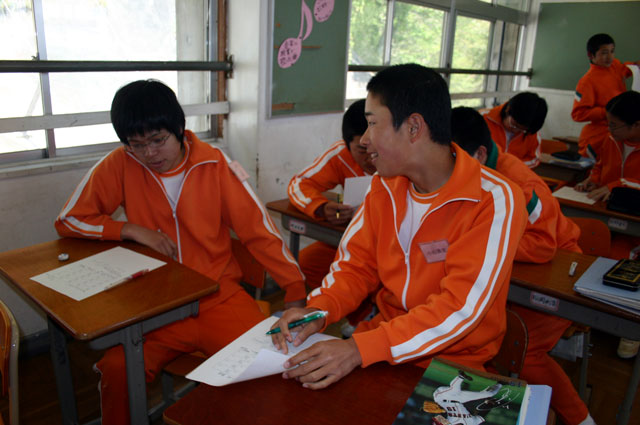
Each junior high school has it's own four standard uniforms. Shizuura reguires a dress blue blazer, white shirt and plaid slacks or skirt. Boys do not wear ties but gilrs must wear the neck bow. Orange is the normal class wear with blue striped tennis shoes. For hot days and atheltics students also have knee length blue shorts. All schools have approved white tee shirts, but this school has orange neck bands. Students must wear the dress uniform to school but they often wear the running suit underneath for warmth. Everyone wears the shorts and tees under the regular clothes and just strips down to them for PE or more casual wear. It usually costs near $1000 for one full set of uniforms, but students usually wear them for all three years of junior high life. There is no jewlery or other adornments allowed. This sure is different than American public schools. |
|
|
|
|
|
|
|
 |
|
|
|
|
 |
|
|
|
|
|
|
|
|
 |
|
|
|
|
|
|
|
|
 |
|
|
|
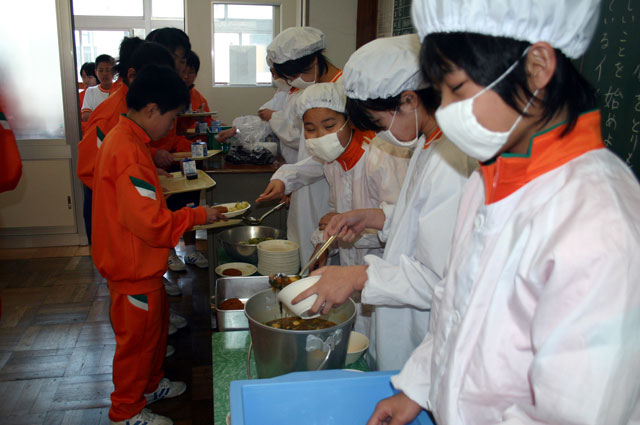
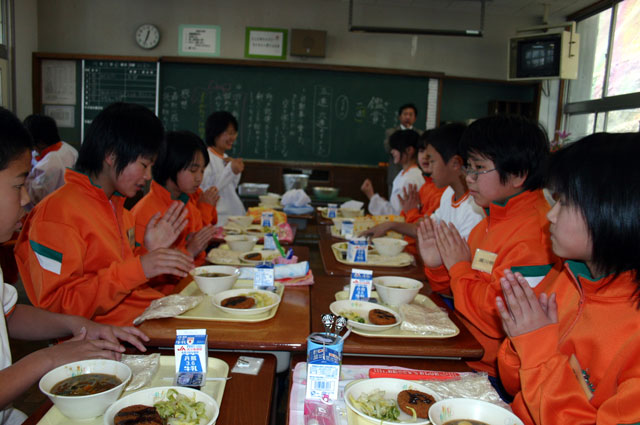
As in all schools, hot lunch is delivered to each classroom and served by the students. Sanitation is important. All students provide their own hashi,(chopsticks) spoon and cloth napkin. Many also add a placemat. If you look carefully at the right, students also have a cup, toothbrush and tooth paste for after the meal. No one eats until all are served and everyone folds their hands and says in unison "I-TA-DAK-I-MASU" meaning "I gratefully partake." At the end of the meal all say "GO-CHI-SO-SA-MA DA-SHI" - That was a feast" I am priviledged to eat in a different class each day. Usually students work at English conversation with me after they eat. I really enjoy the school lunches.
|
|
|
|
|
|
 |
|
|
|
|
 |
|
|
|
|
|
|
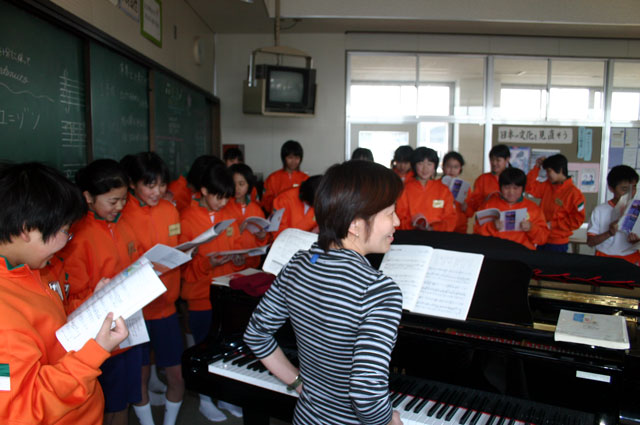
Each class has its own choir practice. Most 9th grade choirs learn one song in English. The quality of singing is far superior to what is performed in Michigan schools |
|
|
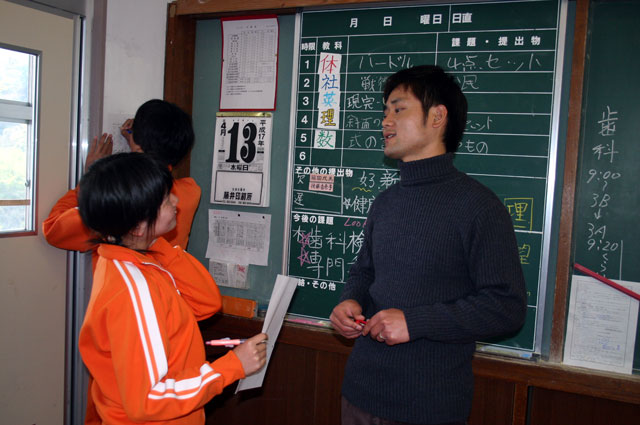
Mr Aiso answers questions in English for a student. |
|
|
|
|
|
 |
|
|
|
|
|
|
 |
|
|
|
|
|
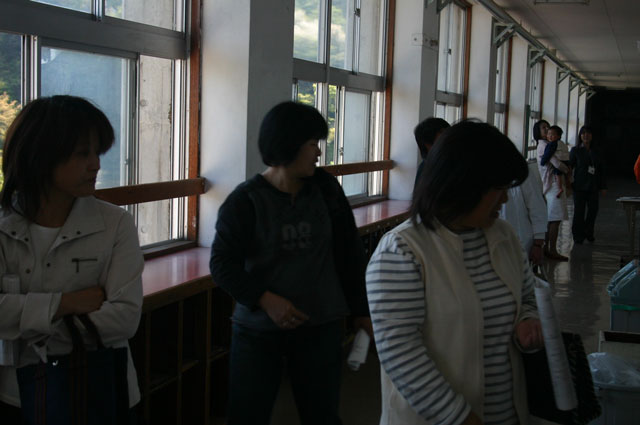
During each of the three semesters, parents visit school and observe the classrooms. More than 75% of the students have a parent there. |
|
|
|
|
 |
|
|
|
|
|
|
 |
|
|
|
|
|
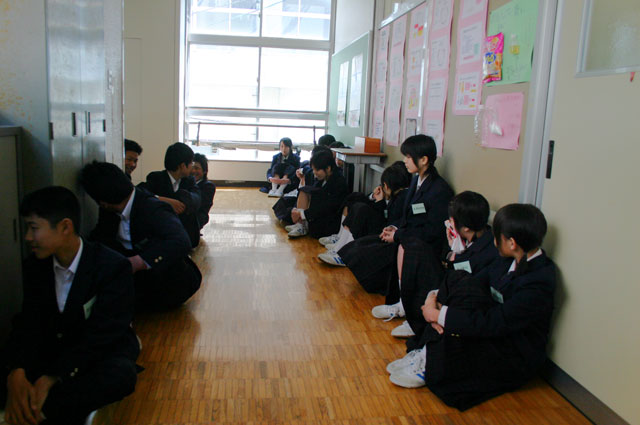
Students sit in the hall waiting for their turn with the dentist. This is a "never seen in Amercia" event because the students are totally quiet waiting. They are polite, respectful and patient. Remember, they are waiting for "THE DENTIST." |
|
|
|
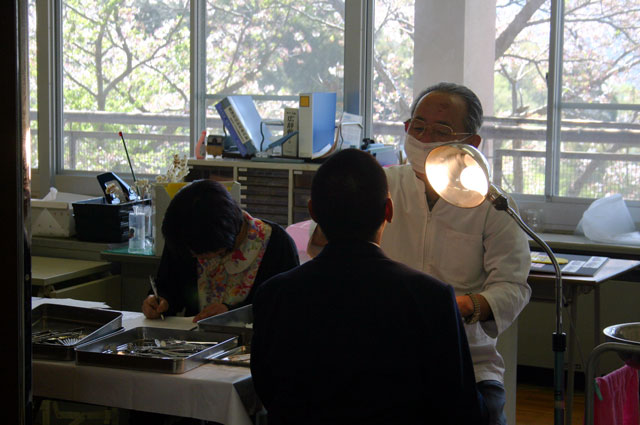
The dentist checks each student and records dental needs. The parents receive a report of recommendations. |
|
|
|
|
|
 |
|