|
The Gaming Standardby: Red Raven
Overall: 5 Release Date: September 3rd, 1997 In short: The definitive Squaresoft masterpiece that single-handedly launched RPGs into the gaming mainstream.
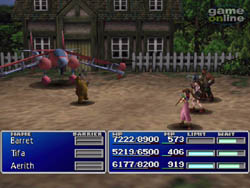
The battle system in this game brings over a lot of the traditional trappings from FF6, including the ATB gauge, summon spells, and learning magic by equipping things. Nevertheless, FF7 adds a few very nice wrinkles to the mix. The first are the inclusion of Limit Breaks. These are special attacks that can be executed once a character has been damaged enough. The gauge that tracks the amount of damage carries over between battles so a certain air of strategy is involved in deciding whether or not to quickly kill a group of enemies or to let them attack your party and raising the Limit Break gauge for an upcoming boss encounter. Another unique twist is the descendant of the Esper system in FF6: Materia. Materia are little orbs that you place in slots in your weapons and armor; once placed in these slots, the Materia allow you to use the ability of the Materia, be it magic, summoning, or even a new command, such as Steal. Equipped Materia lowers your physical stats however, so loading a single person down makes them extremely vulnerable in combat. Ability Points are earned at end of each battle, and the accumulation of AP allows your Materia to evolve into more powerful versions of itself, giving access to more powerful spells or even dividing into two Materia.
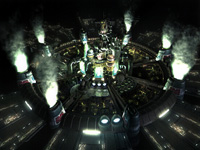
The game starts you off in the role of Cloud, a mercenary in the "steam-punk" megalopolis of Midgar. Cloud has just joined a resistance organization that intends to destroy one of the many power stations controlled by the monolith Shinra Corporation. In typical Squaresoft fashion, the story eventually becomes an epic crusade against an ancient evil, but it is the manner in which the story progresses which deserves special mention. As you progress through the early stages of the game, Midgar becomes something more than a mere setting; Midgar becomes a character in of itself. From the privilege and luxury of its upper-levels to the poverty and despondency of the lower slums, you begin to realize just how real the city feels. This city is no longer one of the countless vanilla villages that dot the RPG landscape; this is a living, breathing entity. When Cloud and company are forced to leave Midgar to explore the larger world, it truly feels as though you are leaving something important behind. I am sure I was not the only player who thought that the entire game could have easily taken place within its gritty walls. It is amusing to think of this because Midgar is just the beginning; the aura of exploration and gravity continues on for the rest of the game.
Music is one of those areas that are often undervalued by gamers in general; music is an extremely important and integral part of the entire gaming experience. I can say with absolute confidence that the most emotional scene ever produced would be easily ruined by sub-par music; conversely, the tritest of dialogue could be elevated to epic proportions if it was only accompanied by a good musical score. Music sets the mood, adds emotion, and is a vital part of the whole experience. With that said, I can happily report that Nobou Uematsu did an outstanding job with FF7�s music. His style definitely changed for this game, becoming a jazzy sort of techno sound that fits the game setting like a glove. Some will be understandably rubbed the wrong way by his change from a more orchestrated style to techno, but the effect is well worth it. Being able to generate one of the most emotional videogame songs ever from a synthesizer only underscores his raw ability as a composer. While a grand orchestra performance is always hard to beat, one must admit it would have felt a little out of place playing in the streets of Midgar. The melancholy Overworld Theme was perhaps one of the greater surprises I found in the music, but it set a tone that the rest of the game followed closely; a jovial melody would have felt completely out of place.
I sometimes think back to that fateful year of FF7�s release with a bit of curiosity. Why was this game so incredibly popular? What was it about this game that launched the genre into the gaming mainstream? Some cynics will mention the unprecedented publicity budget Squaresoft afforded this game, with numerous advertisements on teen culture channels such as MTV. Others will point out how the characters were stereotyped in an effort to lure in the casual gamer who might better relate with the main characters if they were less fantasy-based. Finally, they might bring up the fact that the hardcore RPG audience was lured to this game after being given the �superior� FF6. I am willing to grant skeptics these three points, as their combined potential surely would be able to explain FF7 popularity at the time. But to them I say this: why is FF7 still so revered? If its success is rooted in petty commercialism, why has the cast been idolized to represent the entire RPG culture? The music lauded and remixed many years after they stopped making the game? Why do such �shallow, stereotypical� characters still receive so much attention? No, the continuing success of this game cannot be explained away in any other fashion than to admit that it was - and still is in many ways - an absolute masterpiece. The characters are endearing, the music memorable, and the plot heart-wrenching and brilliantly executed. It will be difficult for anyone, including Squaresoft itself, to create such an overwhelmingly complete experience such as FF7 again. This simple game will rest in the hearts and minds of many people - this reviewer included - forever.
|