 |
|
|
|
|
|
|
|
|
|
|
|
|
|
|
|
|
|
|
|
|
|
|
|
|
|
|
|
|
|
|
|
|
Shooting and Making the Saves |
|
|
|
 |
|
|
Shooting hard |
|
|
|
|
|
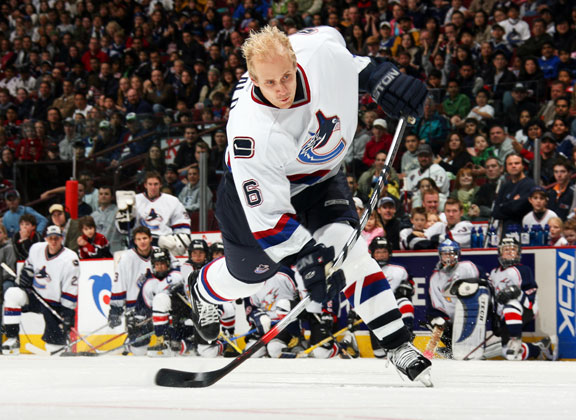
A good slapshot is mostly technique and that the power comes from a weight transfer. The weight of the player transfers from his back legs right through to the stick in his hands.
The player's stick usually hits the ice before the puck this creates a bend in the stick when the bend in the stick is released it hits the puck which sends it flying hard towards the net. Some have hit the puck faster than 100 miles per hour (160 Km). |
|
|
|
|
|
|
Making the saves |
|
|
|
|
|
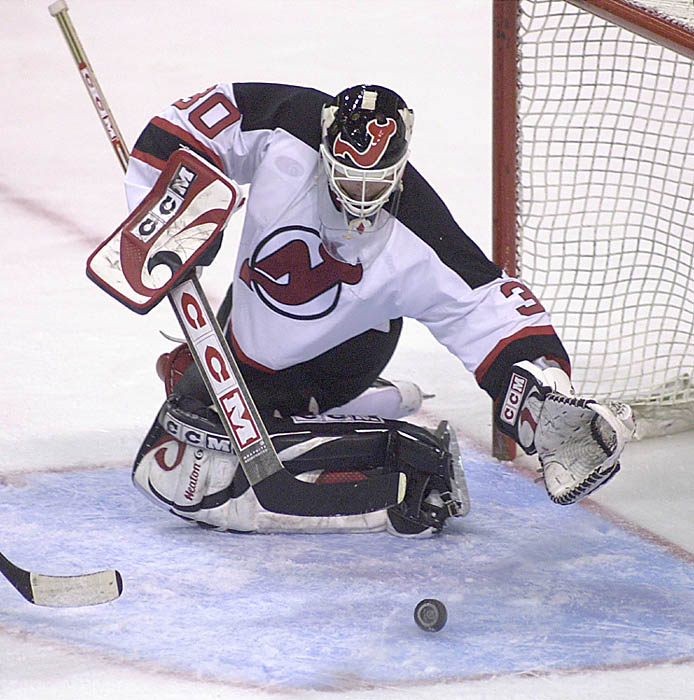
Hockey goalies have one of the most challenging occupations on the planet. Imagine trying to stop a six-ounce piece of frozen rubber traveling at speeds in excess of 100 mph (160 km per hour). Or wearing 50 pounds (22 kg) of equipment and losing 5 to 7 pounds (2-3 kg) of your own body weight in just a few hours during a game. |
|
|
|
|
Wrist shots are also common there not as hard as a slap shot but they give the player good accuracy. The wrist shot can still go 80 or 90 miles per hour |
|
|
|
|
|
|
Reaction time |
|
|
|
|
|
If the opposing player has time to tee up and get solid wood on the puck, a goalie could easily be facing a shot of up to 90 mph. The reaction time of the goalie can be calculated using this kinematic equation. |
|
|
 |
|
|
|
|
|
|
Time = distance
rate |
|
|
|
|
|
If someone shoots from the blue line, a rather generous distance of 60 feet, the time it takes for the puck to travel to the net is
Time d = 60 ft
r 90 mph
To translate 90 mph into feet per second (5280 feet =1 mile/ 3600 seconds =1 hour), then
90 x 5280 = 475, 200 feet per hour.
475, 200 = 132 feet per second = 90 mph
3600
60 feet = .456 seconds
132 feet per second |
|
|
|
|
 |
|
|
|
|
|
|
Links: |
|
|
|
|
|
Home |
|
|
|