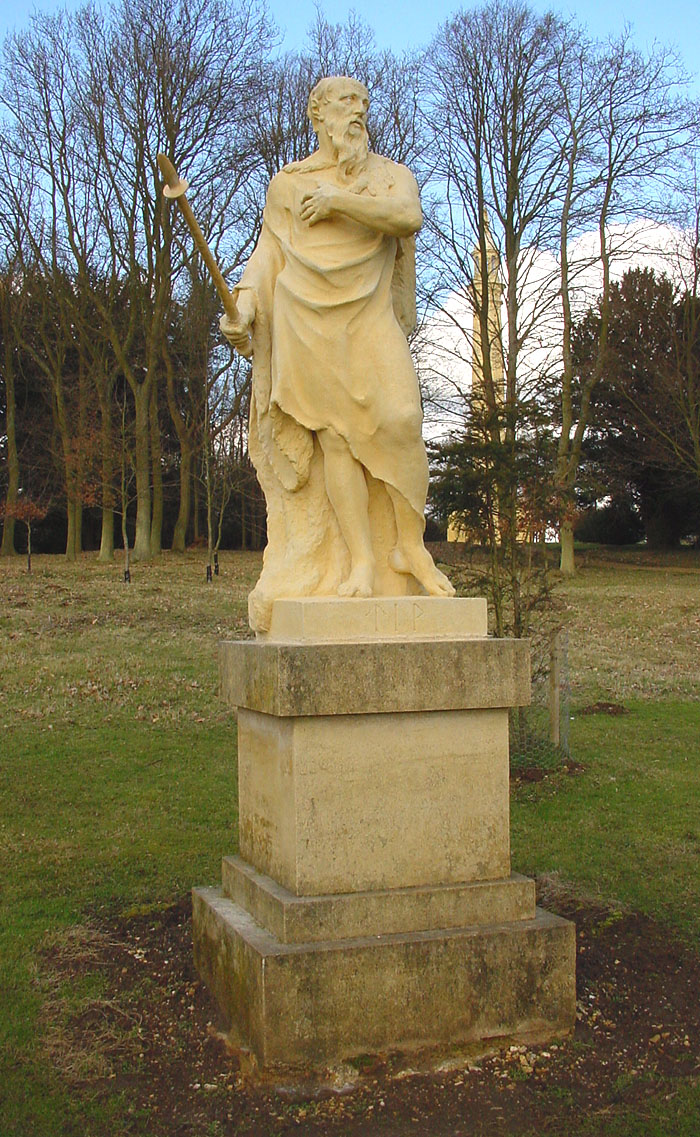
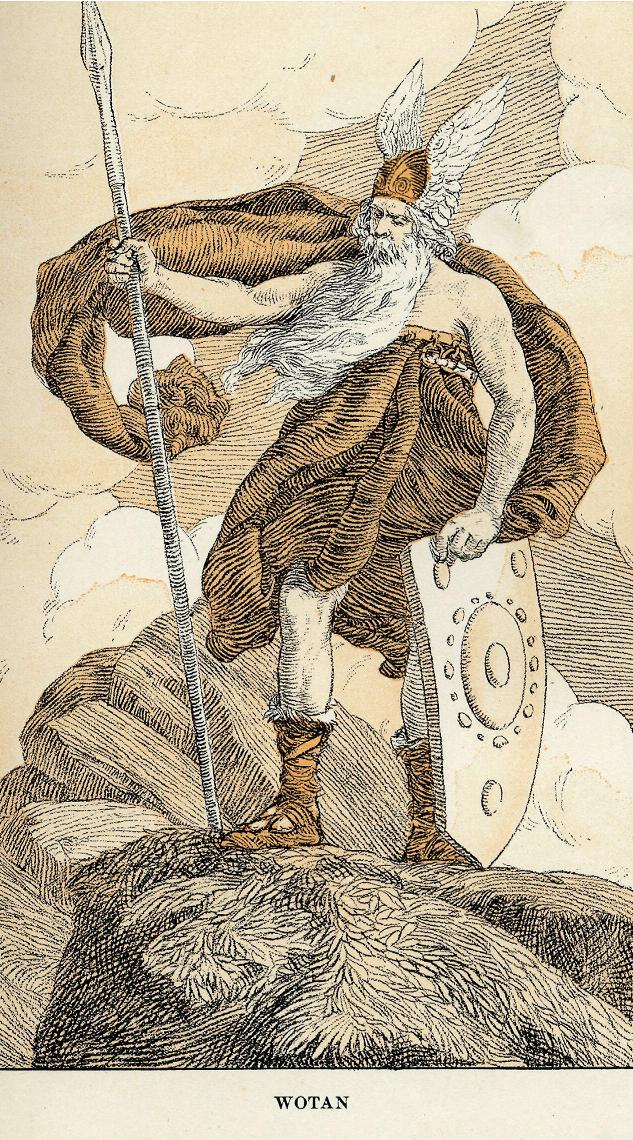
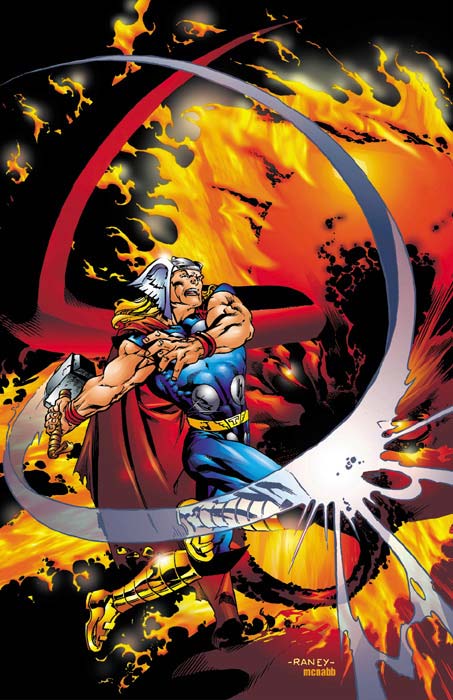
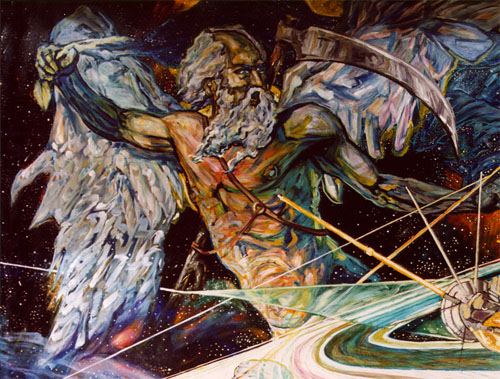

| In English the names for the days of the week are a direct throwback to the old pagan gods: | Sundays, the sun Monday, the moon Tuesday, Tiw, god of war and the sky Wednesday, Wotan, king of the gods Thursday, Thor, god of thunder Friday, Freya, goddess of peace and crops Saturday, Saturn, the Roman god of time and revelry |
|---|
| Five months are named for gods: | January, for Janus, the god of doorways who had two faces. March, for Mars, the god of war. |
|---|---|
| Two months were named after publicity-conscious Roman public figures | July for Julius Caesar and August for Augustus, the first emperor. |
| When the Spaniards discovered the empire of the incas there was no form of writing in use. Records and reports of this highly developed empire came in the form of quipus, large tassels of colored threads whose combination of knots and weaves indicated information on crops, storage, population counts, levies of workers and soldiers, progress reports on public works, and tribute payments. These quipus were delivered from place to place by special relay runners called chasquis, who covered their routes so efficiently that they could carry fresh fish from the coast to the Inca in the mountains, delivering it unspoiled along with the quipus. The count of all property in the empire was so exact that it was said that if a single sandal were stolen, the Inca would soon know about it. No one knows exactly how quipus were “read” as the quipu readers disappeared with the death of the Inca Empire. |
|---|