Welcome to Rett's Homepage

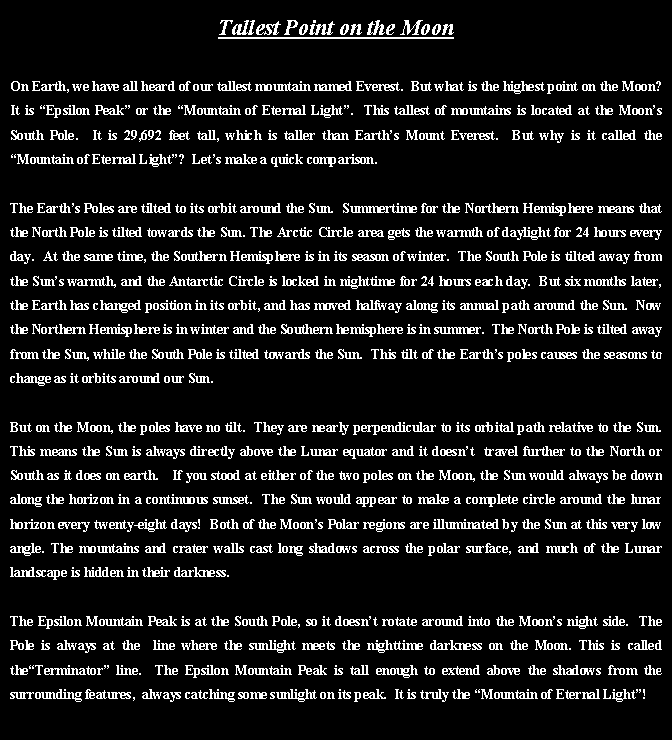
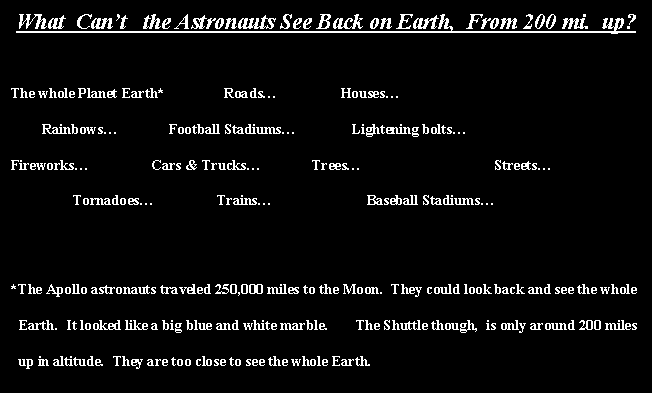
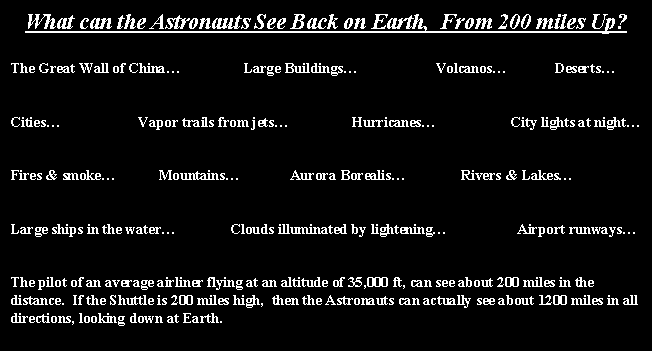
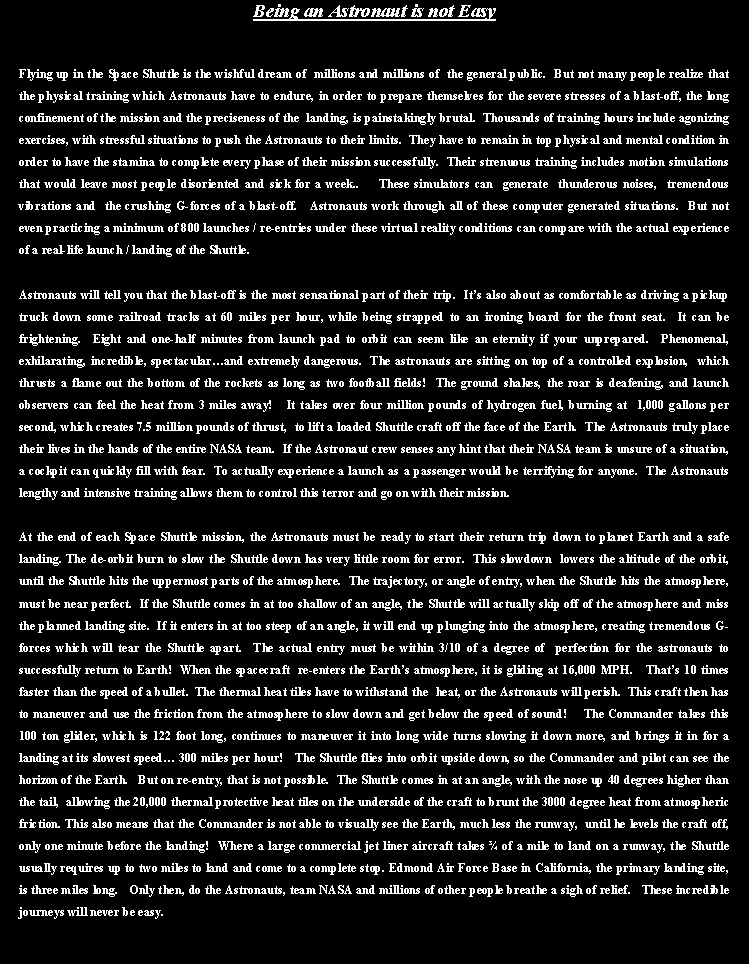
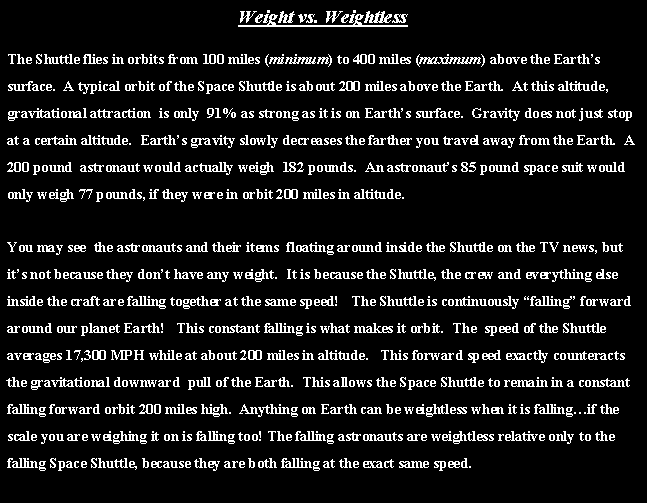
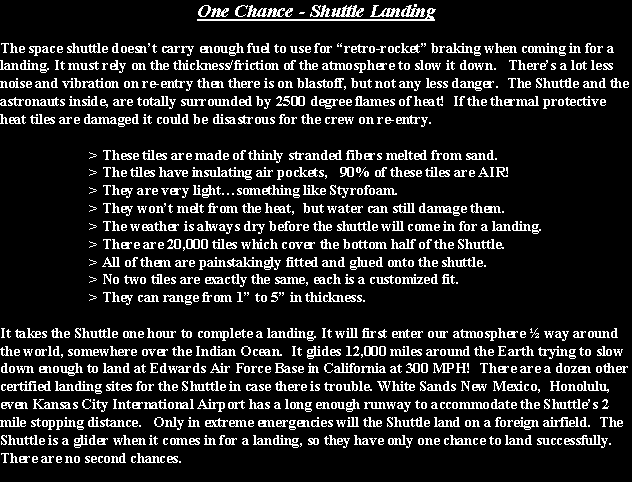
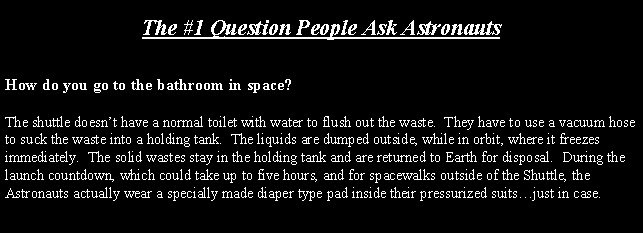
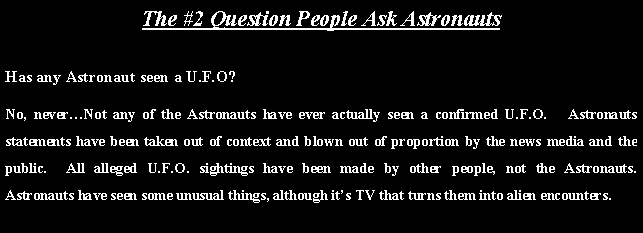
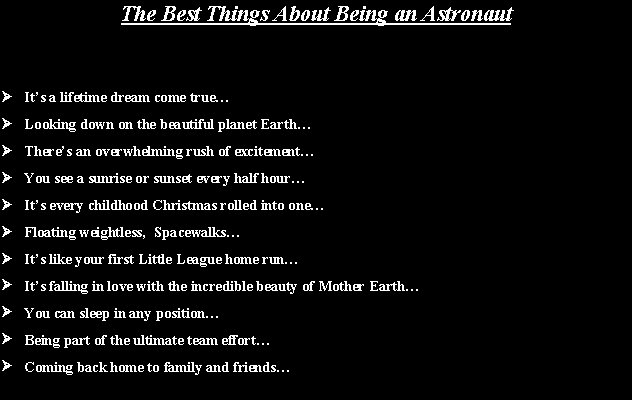
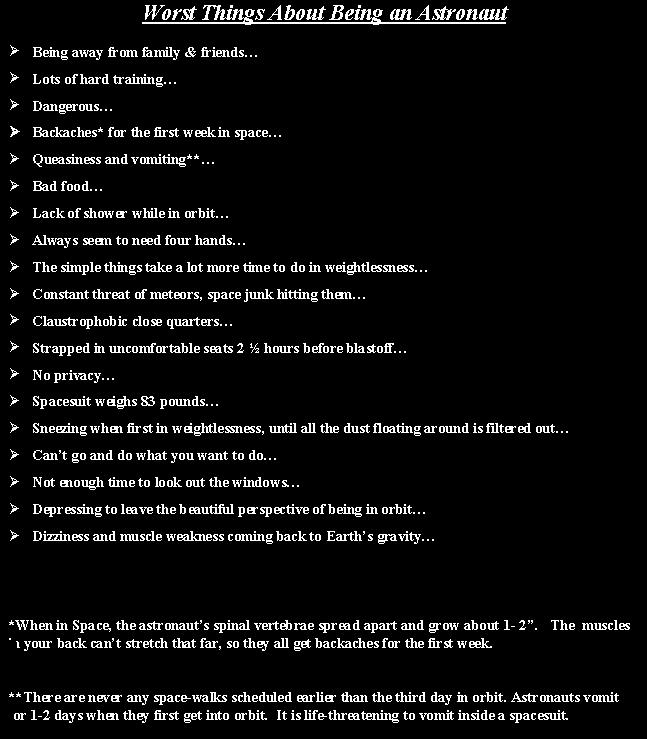
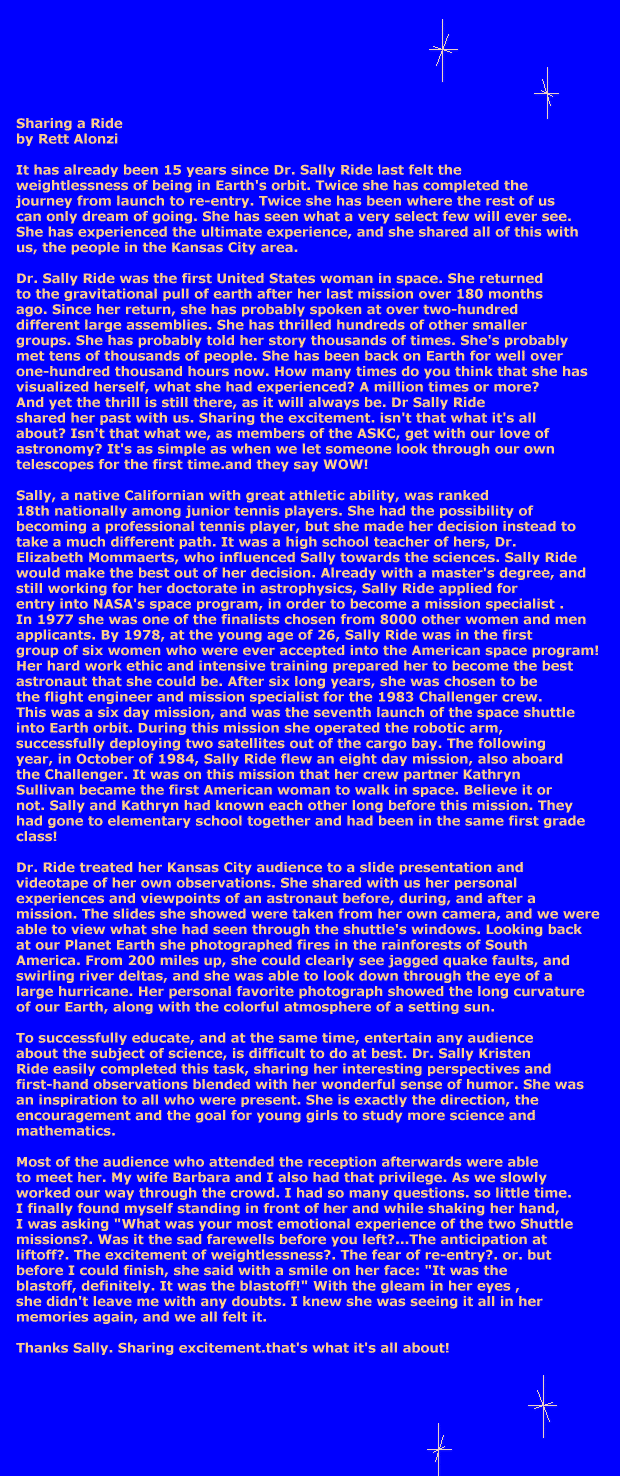
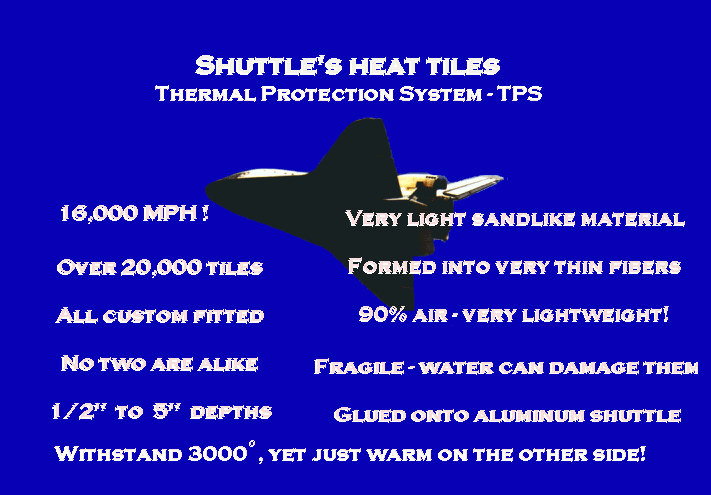
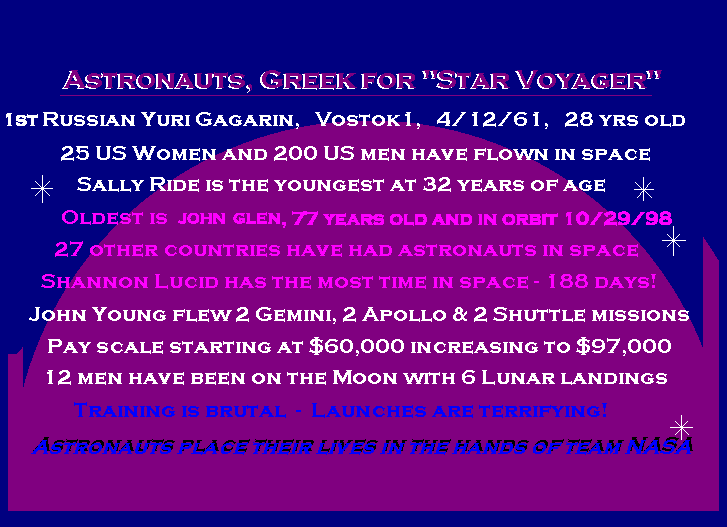
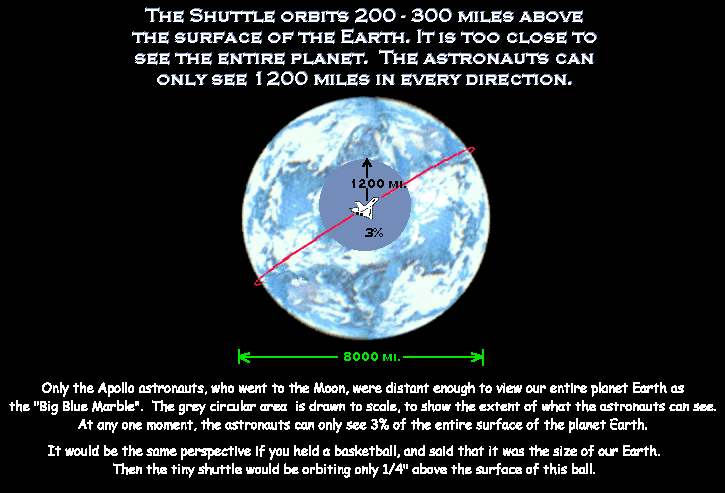
Is there really water on the Moon? What's the #1 question asked of the Astronauts? What can they see from the Shuttle? Have they ever seen UFO's? Who was the first American woman in space?What does a launch blast-off really feel like? How hot do the thermal heat tiles get on re-entry? Read through my astronomy page to get the answers.
I have always been interested in the science of astronomy, ever since I can remember. In 1985 I joined The Astronomical Society of Kansas City. With over 300 members, we always have some events going on! My passive interest quickly changed into active involvement, and I have been busy having fun with Astronomy ever since.

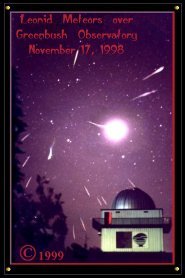
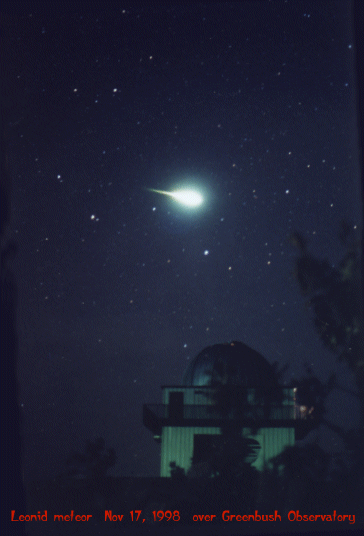
The best time to look for ANY meteors is usually in the early morning hours before dawn, although you may also see some good action in the early evening. The main point is to get away from city lights and watch during the times that the Moon is out of the sky. The bright glare from the Moon also makes it hard to distinguish the fainter meteors.

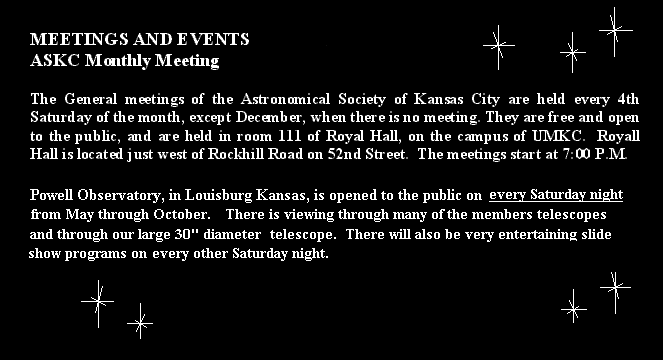
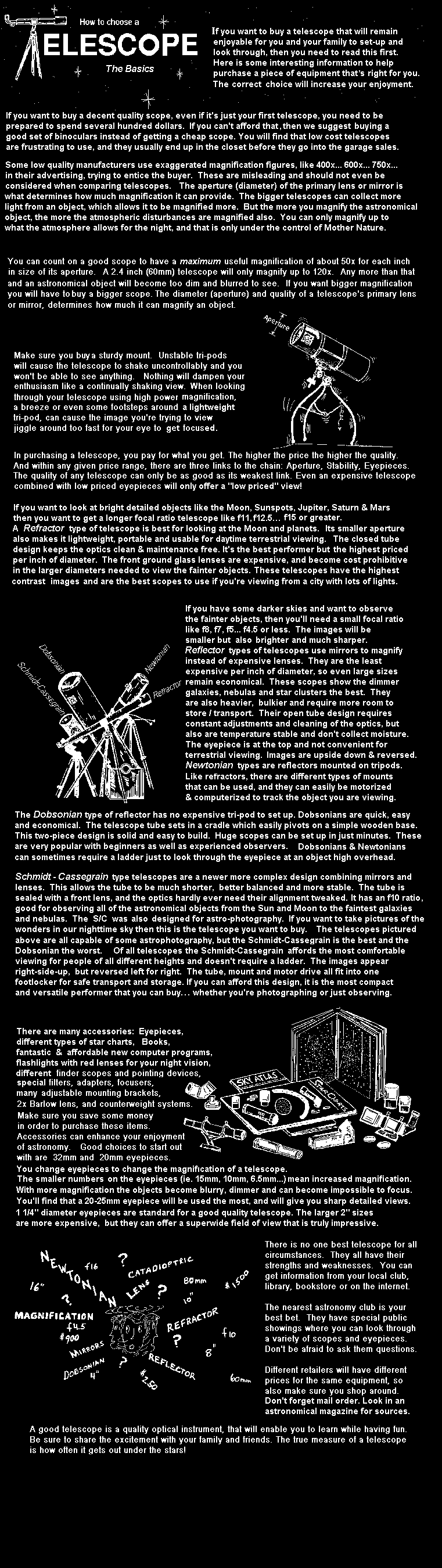
The Astronomical Society of Kansas City has many good active members, and hosts a multitude of different astronomy events throughout the year. If you are in the KC area, come and visit our huge 30 inch diameter reflector telescope. Originally built by one of our club members, this is the largest scope you can find in the five state area! It is housed in a nice 20 foot diameter domed observatory, with a state of the art computerized operating system. There's an attached classroom/bathrooms/kitchen area in this first class facility completed in 1985. All of this was built from the dedicated efforts of some club members who got involved.
Links to other sites on the Web
 e-mail me
 [email protected]
Sign Guestbook #2
View Guestbook #2


This website always under construction!
Last updated 3/10/2005
This page hosted by  Get your own Free Home Page