
The Use of High Performance Coatings at Engine Components
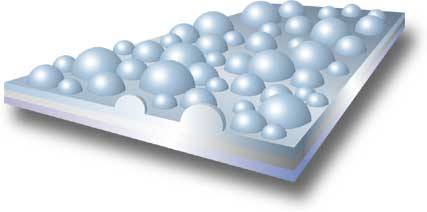
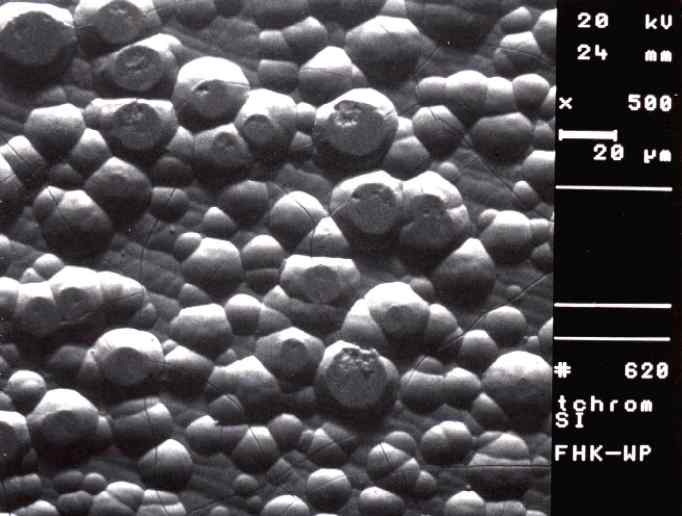
The tribometer investigations had shown that if the piston pin is coated with a high performance layer, the piston rod bushing could be eliminated. The coating I have used is called Topocrom and it is developed by the swiss company WMV from Winterthur (Swiss). Topocrom is a chrome coating and it has a particular surface geometry. It retains very well the lubrication oil and reduces wear.
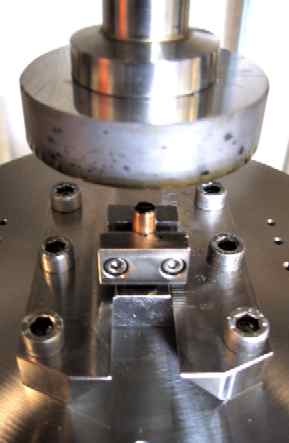
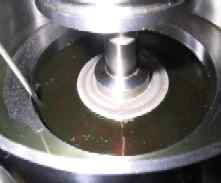


Two types of lubrication have been used: surface lubrication and immersed lubrication, and also two testing modes: rotation (as a continous movement) and oscilation.

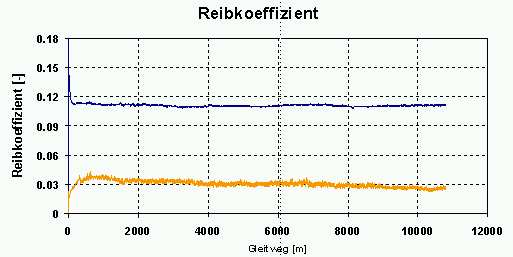
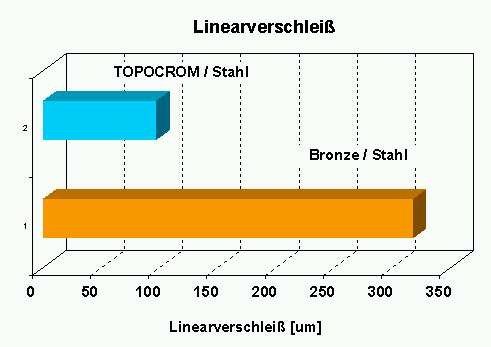
Conclusion
In order to achieve longer maintenance intervals (very important at high capacity diesel engines) the use of high performance anti-wear coating like Topocrom is a very good option. The "classic" and the "modern" piston pin and rod joint was simulated using a tribosistem.Exstensive tribo-tests have shown that materials like Topocrom cause less wear and even less friction (especially in the case of oscilation experiments which reproduce very accurately the engine working conditions).
Contact Info