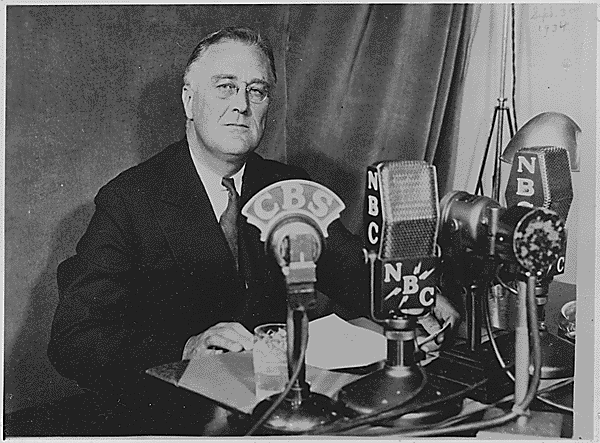
FDR addressed the recent bank crisis in which risky investments and speculations made by several prominent banks had fallen through, erupting in a panic among American citizens to quickly cash out their assets, potentially leading to a severe devaluing of currency and economic stagnation. In his plain-spoken speech, the President asked for the American people's "confidence and courage," insisting that "it is safer to keep your money in a reopened bank than under the mattress."
In the following decade of FDR's tulmultuous terms in office the subjects of his "Fireside Chats" ranged from the New Deal to poverty and economic depression to the Second World War.
However, in his chats, FDR revealed no spectacular revelations, surprises, or anything particularly enlightening about America's political and economic situation.
What in fact was so innovative were the nature of the chats themselves. FDR continued the tradition started by media-savvy presidents like Teddy Roosevelt in carefully controlling media coverage of himself in order to create a pleasing public persona. FDR came across, especially during his "chats," as a warm, caring, patronly "man of the people." The public image he as well as his wife Eleanor projected certainly affected their popularity and FDR's unprecedentedly long presidential career. It also set the standard for presidential candidates and politicians to come who would become increasingly media-savvy.