|
Igad Website
Aiga’s Point
of View
Breaking News Addis
By Addis Tribune
Raaso Special UN Emergency Report June, 2002
By Mulubrhan Tsehaye
UN-Haile Selassie
June 1936
By Sheikh Arale
Capital
and Revenge: The Ethiopian British Support 1940's
By Robert Hunter
The Ethiopian Crisis and Ensuing Wars
By Raaso Journal
Staff Writer
Time Magazine Man Of The Year 1936
From
Raaso Readers
Ajarsa Gora, outside of Harrar, July 23,1894
The Day Horn of Africa Changed forever
King of Kings, Lord of Lords
WIC
Ethnicity and Globalization
By Adistribune
Regional Wars
Sheep Poems
The Somalia National Regional State
Tigray
State Council
On
Medals...
Aiga's
Viewpoint
Interview with PM Meles Zenawi
WIC
To
Award or not to Award
By
Haileselassie Girmay
RACING AGAINST TIME
By
Raaso Readers
Letter to the Editor
From our
emailbag
Laughing in Raaso is not laughing matter
Political
Satire from Raaso forum
Once
is too many
Sheekh's
Viewpoint
Here We Go Again!
By Dheeg
The Journey
By
Haileselassie Girmay
On the Difference Between Ethnicity and Democracy
By
Messay Kebede
The West needs to look beyond its conceptions of
tribalism
By
Cordelia Salter
Get Up! Stand Up! Do not Give Up the Fight!
By
Bezawit Salter-Nour
As long as there is Shaebia there is OLF
By
Hmbasha Staff Writer
Deki Alula Website has split in two
Sent to
us via email
Growth
Unparalleled in History
By Dr.
Solomon Inquai
Where do we go from here?
Hmbasha,
Editorial
What
is going on?
By
Haileselassie Girmay
Comment: We have been
saying this all along. The people behind those ONLF and Ogaden websites are ex-Haille sillase's policy cadres,
who have the blood of innocent Sheekhash on their hands. They are criminals
with criminal minds. They will go to any length in their desperate attempt to
once again be at the helm of the Somali Regional State power (perhaps to engage in more
genocide against non-ogadens). Their divisive and potentially destructive propaganda should
be seen in this light. They are evildoers. Thankfully for all their
evil intentions, or rather because of it, no body is cheering them on.
They have been soliciting support from Ogadens and other Somali Tribes in Somalia but to
no avail. They are left hanging to dry like QUANTA.
Public, government getting polarized
Reporter,
Editorial
Know
Your Regional Raaso Territory
Dr.
Solomon Inquai
In Solidarity With the Forces of Good
By Yonas
Araya
Badme and Zalambessa Reportage
Addis
Tribune
A Time Bomb in the Form of a Harbor
Indian
Ocean Newsletter
Nobel Devotee of Meles Zenawi
Indian
Ocean Newsletter
Honey, I shrunk Eritrea
By
Amanuel Mesfin
Tell us the truth, the whole truth, and nothing but the
truth
Reporter,
Editorial
Hague ruling: a lesson in the rule of law
Reporter,
Editorial
Palestinians' Lone Hand in Washington
By Nora
Boustany
Let's Not Make a Fuss Out of What is Already Ours
Addis
Tribune, Editorial
License to Kill?
Addis
Tribune, Editorial
Fantasy Island Confusion On Shabia Island 101
By
Axumite Ethiopia
Intifada!
Dr.
Reesom Haile
One ought to listen to be listened to
Reporter,
Editorial
Partnership In Development
Tigray
Regional Health Bureau
The
Best Teacher Is the Best Student
By Dr.
Solomon Inquai
T Anti-Sheekhaash
STANCE OF MANY ONLF Suporters
By
Makonnen Alemayehu
The Art of Lying
By Belai
Assefa
The Quest for Political Power Under the Pretext of
Concern For the Sovereignty of Raaso Region
By
Mulubrhan Thetra
Accountabilty and Transparency Please!
By
Raaso Staff Writer
(The
Revised version of Ruling by Deception)
Travel Focus
From
Selamata Magazine
Letters to the Editor
From Raaso
E-mailbag
Remembering
Raaso
Real
Video from Aiga forum
There is nothing that binds us to unjust ruling
Raaso
Staff Writer
TERRITORIAL CESSION UNDER THE PRETEXTE OF BORDER
DEMARCATION THE ANATOMY OF COLONIAL TREATIES
By Tseggai Mebrahtu
When Identity Goes Beyond Borders and Bloodlines
By Frances Stead
Sellers
There can not be any dialogue when it comes to the truth
By Bilaal sheikh
|
Top Secret - UN Office Addis Discussion Paper
Humanitarian aspects
Food security and IDP living conditions
of in the Liban and Afdheer zones
in Somali National Region State -Ethiopia at the end of Jilaal Gimmick
|
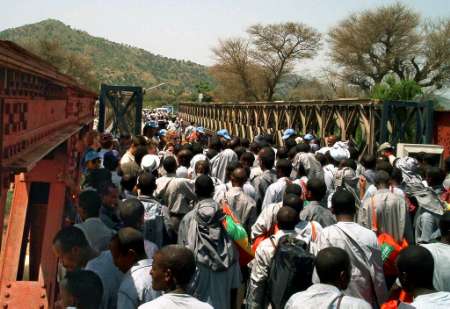
A big clan gathering in 1998 decided that the group would look for a place to settle as a community. After a lengthy process an agreement was reached with local groups that the Sheekash would move to Raaso in West Imi Woreda (Afder Zone) in 2000. Up to 50,000 to 80,000 people were expected to migrate to the area until the end of 2001 (Guinand, 2001a). REUTERS/Taro
Matsuoka
|
Assessment Mission: 26 March - 8 June 2002
By Ropert Mark, UN-Emergencies Office for Ethiopia -Addis Ababa, August 30, 2002 (Raaso Staff Writer)-
1 Introduction and background
1.1 Objective and methodology
Reports of population movements from Somalia into Ethiopia in February 2002 motivated the UN-EUE to fieldundertake an assessment mission toin the Afder and Liben zones of the Somali National Regional State (SNRS), south of the Wabe Shebelle river. Besides investigating the veracity of those reports and considering the SNRS is recoveringemerging from a recent humanitarian crisis, the UN-EUE mission assessed the present food security situation, and studiedsought to better understand the IDP living conditions and reasons for displacement.
The methodology included aogy used was to review some of the related literature review and , by travelling by car travelling totill Kelafo in Gode zone via Awassa, Negele, Filtu, Dolo Odo, Cheretti, Raaso, Hargele and Gode., In the field key informats such asand by interviewing administrators, elders, and members of the community were interviewed. Furthermore, cConsultations were also held with the governmental, international, and national organisations that operate active in the southern Somali region (i.e. DPPD, WFP, COOPI, ACF, ICRC, MSF-B, CCM, NCA, Guardian/Serro, SCF-US, RDA and PCAE, etc.).
1.2 Recent history in light of population displacements
Southeast Ethiopia has been a region racked by conflict and has experienced large inflows and outflows of refugees. In 1977/78, the Western-Somali (Hararghe) war between Ethiopia and Somalia led to huge outflows of Ethiopian Somalis into Somalia. Then in the late 1980's and early 1990's, the civil war in Somalia led to a reverse in refugee flows ofwith Somalis, including those who had previously fled from Ethiopia, crossing into south east Ethiopia to escape fighting in Somalia.
Apart from the international destabilising factors that destabilise the region, the population of the SNRS also has to sustain the negative impact of conflicts between the regional states, (primarily Oromia and SNRS,) and between fracsections of concerned ethnic groups (such as the Ogaden Tribe and Shekhash tribe, Somali Degodia and the Borana of the Oromo). The change of government in 1991 and the subsequent introduction of the “ethnic federalism” concept brought about the creation of regional states and governments. However, the exact definition of the boundary between the SNRS and Oromia, two entities that have evolved from this process, remains disputed. At the same timeIn parallel to this, ethnic groups from both sides compete over the ownership and access, particularly to rich grazing land and pasture as well as strategically and historically crucialvital water points along the regional border. Adding to this, there areis a range of local conflicts within SNRS thatwhich are related to particular issues orthe same commodities, as well as local crime such as cattle raiding or murder. Parties to these conflicts frequently define themselves along the lines of clan identities.
Furthermore, the semi-arid Somali Region and its surrounding lowlands are is extremely drought prone areas. Drought is a recurrent and frequent and normal phenomenonn in Ethiopia's rangelands. Pastoralists experience a “mini-drought” each dry season stretching their livelihood to the limits. Both the international, and internal conflicts, and the recurrent droughts lead to populationthe displacement of groups of population.
In a press statement today, 4.Population movements and IDP situation in Liban and Afdher zones of the SNRS
4.1 Drought and conflict related internal displacement of persons and families
West Imi woreda is affected by a conflict over the ownership of land and the right to settle. Following the introduction of the "ethnic federalism" concept in Ethiopia, the Sheekash, a Hawiye sub-clan which specialiseds in Islamic teaching and used to be spread across Somalia, Kenya, Djibouti and Ethiopia’s Somali Region , have had to identify a home territory to be able to be politically represented in the new system of Ethiopian Ethnic Federalism. A big clan gathering in 1998 decided that the group would look for a place to settle as a community. After a lengthy process an agreement was reached with local groups that the Sheekash would move to Raaso in West Imi Woreda (Afdher Zone) in 2000. Up to 50,000 to 80,000 people were expected to migrate to the area until the end of 2001 (Guinand, 2001a).
Despite the agreement which proceeded the settlement, it was reported that Sheekash and Ogaden clans engaged in armed fighting. In one incident at the beginning of 2002, a village called Hargeisa-yare, situated (west of Imi, about 10 km from Raaso,) was said to have been burned down following the theft of livestock from the Sheekash. This incident left around 20 people dead. Approximately one month later, the Ogaden clans are said to have sought revenge. 51 people were allegedly killed when the two groups confronted each other, this time in Raaso. A total of about 70 people were reported killed in the course of the conflict (48 of Ogaden and 23 of the Sheekash), an unknown number of people were injured and livestock was stolen. About 2000 Ogadens have allegedly fled the area. This impact made people realise the need to solve the problem. Elders and local Somali clans intervened and managed to improve the situation, but now about 215,000 Sheekash tribes reached Raaso area and perminantly settled to defend and established a power base.
.
FIQI INTERNATIONAL DEVELOPMENT AGENCY
FIDA
 Kulankii 5aad ee Gollaha Guud ee Qawmiyada Sheekhaash ku yeesheen Magaalada Raaso 2002. Kulankii 5aad ee Gollaha Guud ee Qawmiyada Sheekhaash ku yeesheen Magaalada Raaso 2002.
Muuqaalka Guud ee Raaso 2020
By Jawhar Sheikh Ismail, Raaso Times
Drought Kills 4,870 Animals In Western Hararghe
…
Miesso, September 2, 2002 (WIC)- Some 4,870 domestic animals have died in the drought hit woreda of Miesso, in Western Hararghe zone, the Zonal Disaster Prevention and Preparedness Department said.
According to the Department Head, Benku Taye, 3,389 heads of cattle, 1,116 sheep and goats 149 camels and 29 donkeys in 25 kebeles of the woreda had died from lack of pasture and water.
He said veterinary services were now being stepped -up to save the lives of surviving animals. their monks in 1658, it was seized by others.
Comment: Some
people are now using this long-standing dispute between Aw and Ogaden as
a whipping rod against the current tribal conflict. It has become a habit of these
characters to use whatever means they get to darken the image of the
AW & Ogaden Brotherhood no matter how outrageous it appears or sounds. It’s very sad
indeed!
THE EDITORIAL
FORUM
After RAASO Where do we go from here?
The Gindhir verdict of
April 13th, 2002 has left a bad taste in our mouths. A decision that was
supposed to be based an AW & Ogaden treaties (however flawed they
were) was instead based on political considerations. The only part of the
treaties the border commission validated was the part the keeps Ogaden tribes
landlocked. Other than that the verdict was miles away from the treaties.
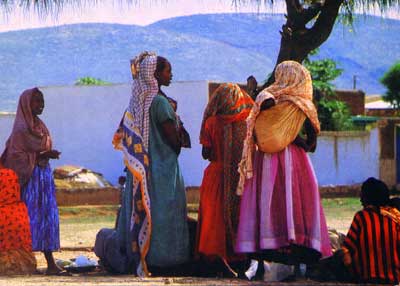
Commercial Trade & The Role Of Womens In Raaso
The article must not contain abusive,
vulgar or below standard language.
The writer is responsible for editing
his/her piece before submitting it.
Note to
readers: Raaso Journal is not
responsible for the contents of the articles posted on its web page.
|
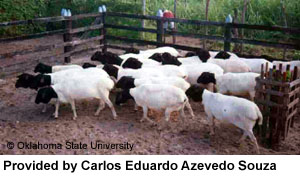
Raaso 1
Saylada Xoolaha: RAASO

FDR Ethiopia Flag
Sheikh Dawaf- A leader who keeps his words
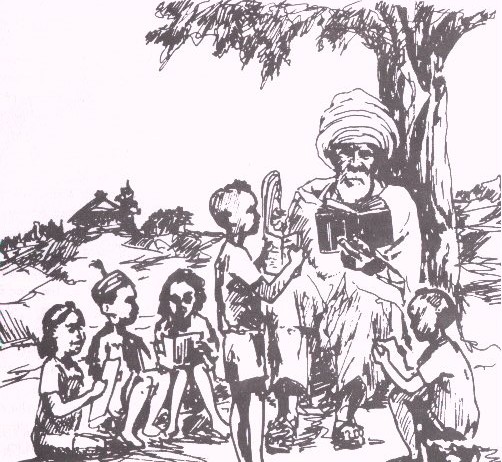
Raaso 3
Raaso Teaching center
Salaxaad: FDR Ethiopa
They Marched for Peace and Development
Hoyga Garta ee Sheikh Abdulqadir
Sheekhash’s Place for Peace
Sheikh Abdulqadir -Imamka Raaso
The founder of Maro-Maydh
Immam Raaso
The greatest Islamic schooler the world has
produced
|