Mountain Junction
**
Chapter 1 **
André
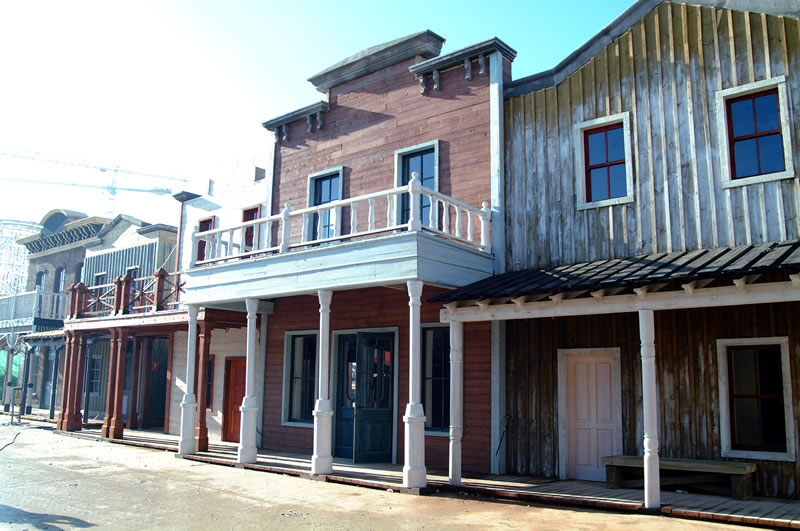
It was a quiet little town
nestled in the brown, pine covered mountains of California, but the location of
the town is not really important. It
could have been anywhere; a small community of people on their way to somewhere
else. In fact, that was the nature of
this town. There was an eclectic group
of people there. Some had been there at
its inception, cutting out a place for themselves in a new wilderness. Others had stopped on their way to follow
their dreams, only to find themselves drawn to this burgeoning frontier. Others came and quickly went. Many found peace or disaster, depending on
their frame of mind when they entered.
Whatever the reason, the town grew or shrank with alarming regularity,
but refused to give up its place in the world.
André Jermond was one of the
original members of the community. He
had stepped off the train at the small station one bright morning and never
left. He had taken one look at the
small bustling trade station, nestled in a valley surrounded by a ring of
mountains, and could smell the possibilities.
He saw the railway workers and the supply men loading up their
buckboards with boxes and knew that the valley would someday thrive. He was an astute businessman and set about
carving out an empire for himself. The
success of this venture was clear for all to see. His clothing was of the best quality, he owned some of the finest
land in the area, and his home was large, comfortable, and filled with fine
furnishings. When André walked into
town, he was noticed, not by his six-foot two-inch frame, but by his
bearing. All who looked into his
startling green eyes saw not the starbursts that had at one time been the
attraction, but the hardness behind them.
André was handsome, but it was this hardness and purposeful demeanor
that made him who he was. While
everyone liked him, this self-reliance separated him from the rest of the
town.
In the beginning, he had not
cared how people saw him. He was not a
great lover of people. He saw them more
as a means to an end. This quiet
disdain took many forms. His first
establishment, the Viscosité Buvette, while sounding very proper, was
exactly what the name implied, a tacky saloon.
While the facade of the building had been refined when the town grew,
the interior goings on remained the same.
It was a place for the men to go and get drunk, play cards, and talk in
a manner that would have sent “civilized” people running into the church with a
shudder. So many murders, thefts and brawls
had taken place that many of the townspeople would not walk by the swinging
doors when the sun went down over the mountains each evening. His other business, Une Maison de
Champagene was located on the outskirts of the town, in a large building
with the look and feel of its name.
This was yet another of André’s “little jokes.” The building was not a
Nobleman’s House; it was the town’s house of ill repute. The name was the means to an end as well;
the men of the social elite came to indulge themselves in the opulence; to
pretend that they were the Lords of the Manor, with the right to such
frivolity. The lesser-classed men would
come to mingle with the upper crust (in limited fashion, of course) and indulge
themselves as well. André was
prudent. He didn’t care who came to his
establishments, as long as their money held out long enough for him to get his
hands on it.
The way he built this empire
also revealed another eccentricity.
When he was building the saloon, he lived over it, in two small rooms
that would eventually house a couple of barmaids. Because of this, he talked and moved among the men there as an
equal. He had a better vocabulary than
most to be sure, but he would drink with the railroad and dock men, tell
stories about his life in France or his adventures back East, and listen to the
other men tell their stories. When he
built his noble house on the southern outskirts of town, he moved into an
upstairs portion of that establishment, taking on the demeanor of the town
gentleman. The local upper class, new
to the area, and not knowing of his time at the saloon, simply thought he was
one of them. The rougher men of the
town may have known of the deception, but would not dare say anything; they
would not have been believed anyway. At
the House, André was all smooth manners, casually throwing out French phrases
and talking about the finer things. It
was as if the man who talked at the saloon had disappeared. To the girls of the house, he was handsome,
charming, and cordial; he let the discipline and warnings to the girls fall on
the shoulders of the Madame he employed. When the House began to pay off, he
quietly moved into another gracious home on the opposite side of the town. Once there, he assumed the role of the
social businessman. He went to church,
town meetings, other people’s homes, and social events befitting his
position. This created a mystique
around him. He wore a different face for everyone he met. At first, this did not bother him. The time would come, however, when he would
want to reveal his true self to someone, and find he could not fully remember
whom that person was.
While he was busy with his
business dealings, other people began to come and fill the town of Mountain
Junction. One of the first of these people
was Anna Smith, a motherly type who had originally moved to the town with her
husband, a blacksmith who died two months after they moved to the town. Anna was likeable, but had a tendency to
turn on people when angered like a hawk on a field mouse. Because of this, she had worked several
jobs, but was not successful at keeping them for long. André, however, liked Anna. When the time came for him to employee girls
at the House, he knew he would need someone to oversee them. Anna’s personality was not seen as a flaw,
but an asset. She quickly became the
foundation for the success of Une Maison de Champagene. The girls employed there were expected to
behave with dignity and class more befitting a French courtesan then a rough
barmaid. Anna taught them with subtle
kindness and a soft voice, talking to them more like her daughters then her
employees, and offering advice like a mother hen. When they fell out of line, however, she ruled over them with an
iron fist, until they either left in frustration, or towed the line. Either way, Anna was a success in her
position, and made the Mansion, as most people of the town called it, the
success it was.
Girls came and left frequently
at the Mansion. Many came in
desperation. Unable to find employment
in the little town, they offered up the only service left to them. Sometimes, Anna would see that the women
were not suited for positions normally needed in the house, and would place
them elsewhere in positions such as maids, cooks or singers. Morgan was one of
these women. She had blown into the
town one day, full of life and expectation, but no real ambition as to what to
do with herself. When it became clear
that she was not going to fall into good times, she set off for the
Mansion. As usual, the wild eyed and
excited Morgan was not paying attention to what she was doing, but living an
adventure in her imagination. The
tree-covered road to the Mansion had become a dark forest, full of highwaymen
and danger. Because of this, she never
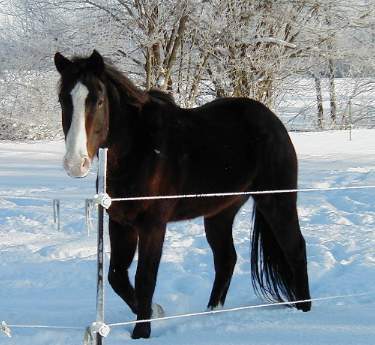
noticed the huge brown stallion and rider bearing down on her. By the time she did see the animal, she
barely had time to leap out of the way.
Landing squarely on her well-bustled backside, with her hair falling out
of its loose sweep, she turned her blue eyes up and found herself facing one of
the handsomest faces she had ever seen, his green eyes searching her face with
concern.
After making sure that she was
not suffering any serious injury, André gently lifted Morgan to her feet. A
small smile lit up his face as he watched her attempt to put her hopelessly
tangled tresses in order, and brush the dirt from her well cut, but obviously
worn day dress. He asked her what she
was doing, walking down the road and not paying attention, and was quickly hit
with a barrage of answers. Many of them were too quickly spoken to keep up
with, and he soon lost track of the subjects as they skittered like bees around
a hive. She did eventually get to the
point, and soon found herself sitting in the kitchen of the Mansion, between an
amused André and a stone-faced Anna, drinking strong coffee between bouts of
endless chattering. By the end of the
afternoon, and against Anna’s better judgment, she was upstairs in one of the
spacious, lavish quarters of the girls.
By the end of the first two weeks, when it became clear that the
stringent codes and rules of decorum frustrated her free spirit, she was moved
to the quarters of the servants. By the
end of the following month, she was out of the house, and in André’s office
begging him for help. His fondness for
her and his admiration for her moxy moved him to put her to work as a barmaid
in the saloon, believing that her personality would encourage the men who
frequented the place to spend more money.
It was a decision he would one day regret.
Others came to the house in
search of escape. Stella was one of these women. She had left her husband thousands of miles away in Maine, coming
to California and staying in the town when her money ran out. The men of the town loved Stella. She was beautiful, but it was her inner soul
that constantly drew them to her. She
was gentle, kind, quick-witted and intelligent. She was well suited to the life in the house, often finding men
crowded in the large salon, simply for the chance to talk to her, and get one
of her customary hugs. Anna felt a
special bond with Stella. It was common
knowledge that Stella would one day become the new Madame. No one knew that deep in her heart, Stella
wanted desperately to escape the house, and find a place for herself on her own
terms.
Another who owed his existence
to André was Hawke. No one knew his
last name, or his first for that matter.
He was dark, dangerous, and most people steered clear of him. At one time, the rumor of his being the
infamous “Yellow Monster” who had decimated more then a few mining camps up
north spread through Mountain Junction.
No one, however, was willing to ask Hawke if this were true. Because of this, the townspeople were simply
more resolved then ever to steer clear of him.
Everyone that is, except for two people. The first was the town barber, Joshua “Money” Hamilton, a local
who frequented both the Mansion and the saloon. Money was fond of the cards and the bottle, a lethal combination
that often left him with bruises and an empty wallet. Most of the bruises and black eyes had come from the fists of
Hawke, and all of his money often went into the pockets of André. The undercurrent of animosity grew each
night he frequented the saloon, especially after Hawke was hired to run
it. André hired Hawke for two reasons,
the first being that the big man would be able to not only handle any brawls
that occurred, but also make a man think twice before drawing his gun. The second reason was similar — no one would
dream of not paying his tab. The
arrangement suited everyone but Money.
He was notorious for not paying his bills, and the constant reminder of
the balance due by Hawke made him seethe every night.
Others came and went over the
years, in a steady pace that mirrored the economic dips and falls of the rail
town. Mountain Junction began to look
like any other town, with its mixture of good and bad elements; the nice areas
subtly separated from the worldlier ones by both physical boundaries such as
parks or the railroad tracks, and the whispers and warnings from the people who
lived there. Over time general stores,
dress shops, restaurants, doctor’s offices and other business ventures began to
fill the valley. At first, the church had shared a building with the school,
but in time a steeple rose over the roofs of the town, signaling that at last,
the town had found its center, and could truly be called a community. Years passed, and André watched as the
possibilities he had sensed in the early morning so long ago came to fruition.
He was still the wealthiest man in town, still owned the most land, and had
added to his business holdings another saloon and music hall. He had his hand in some of the nicer
establishments as well, although these dealings were mostly silent partnerships. But, as the town grew and the upper class
began to emerge as the political power, he felt his position shift. He was still considered one of the founders
of the community, but he could feel the subtle change toward him. He could have sold off his original ventures
and gained back the ground he lost, but that was not his way. He liked his knowledge of the seedier
aspects of the gentle life the town, and better still, he liked knowing where
all the secrets were hidden.

*Chapter 1 ... André
Chapter 2 ... Julie
Chapter 3 ... Clyde
Chapter 4 ... The Welcoming Party
Chapter 5 ... Sunrise
Chapter 6 ... Tabletop
Chapter 7 ... The Race
Chapter 8 ... Missed Lunch
Chapter 9 ... Something To Chew On
Chapter 10 .. Back to Business
Chapter 11 .. House Work
Chapter 12 .. Idyllicus Interruptus
Chapter 13 .. House Repair
Chapter 14 .. Day’s End
Chapter 15 .. TBA
Chapter 16 .. TBA
Home ........ Mtn Jct Home
Home ........ RA’s Home