Makar Sankrant
The main festival in January - Makar Sankrant. It falls on 14th of January every year and is the first Hindu festival of the solar calendar year. It is one of the most auspicious times for the followers of the Hindu religion. This festival coincides with the Sun’s northward journey (Uttarayan). On Jan 14, the Sun enters the zodiac sign of Makar ( Capricorn). Sankrant means the movement from one zodiac sign to another.
During
six months of the year, the days are longer than the nights. During the other
six months, the nights are longer than the days. The first period is called Uttarayan.
Uttar means north. Then the sun moves north from the centre of the sky. The
second period is Dakshinayan. Dakshin means south. The sun moves southwards now.
The Uttarayan starts roughly in the period January-February. The day Uttarayan
starts is called Makar Sankrant. It is a special date when the day and night are
of equal duration. Henceforth, the duration of the day becomes longer thereby
providing a reason for celebration.
Sankrant symbolizes the onset of the harvest season and the end of winter. It
has been celebrated as the harvest festival right from the times of the Aryans.
The Sun God, Surya, is said to turn his back on winter with his chariot of seven
horses marching forward. In Mahabharat too, the auspiciousness of this period is
mentioned. Bhishma Pitamaha, in spite of being wounded and lying on a bed of
arrows, waits for ‘Uttarayan’ to set in before breathing his last. It is
believed that a person who dies in this period attains ‘moksha’ (salvation)
and escapes the cycle of birth and death.
In Maharashtra people exchange sweets called Tilache ladoo made from sesame seeds, sugar and jaggery and greet each other saying - "Til-Gul ghya, god god bola" meaning "accept these Til-Guls and speak sweet words". Maharashtrian women wear a special black saree called chandrakala which is embossed with crescent moons and stars and get together with other married women to exchange Til-Gul with a special ceremony called "Haldi Kunku".

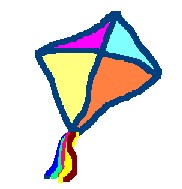
Kite
Flying is also an important part of it. On this day, kites take on a new
meaning, as kite-flying fever grips everybody. All the people fly their
colourful kites with great enthusiasm. The spectacular symphony of colours is
the best feature of this lively festival. Although Til-Gul and kite-flying were
peculiar to celebrations in Maharashtra and Gujarat, these features have become
very common now. Its a good example of integrity and unity of the people.