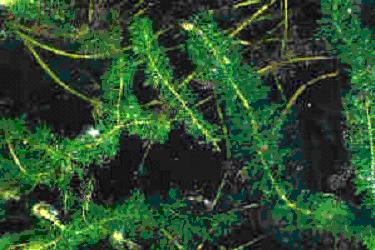

Control of eurasian watermilfoil is difficult. Since its main form of reproduction is through stem fragmentation, chopping it up only leads to further spreading. Some herbicides have proven effective depending on the environment the milfoil is located in. A new herbicide, triclopyr, shows great promise in controlling eurasian milfoil. Harvesting (cutting and removing the plant material) is effective in controlling eurasian watermilfoil but not eradicating it.
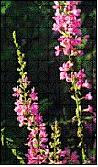
The main problem is the invasive nature of the loosestife. It pushes out native species which many of our small mammals and amphibians depend upon. Most birds cannot digest the small hard seeds.
Loosestife is difficult to control. With small infestations the homeowner should pull up the loosestrife whole (prior to seed production) and bag the plants for disposal in a landfill or burn the plants. Types of control methods used for other weeds such as winter/spring/summer burns often encourage the spread of loosestrife by creating new habitat into which they can spread. The use of heavy machinery to plough under loosestrife and mowing of loosestrife areas will only promote the growth of loosestrife. Herbicides are generally costly and usually end up killing local vegetation, allowing the loosestrife to more easily take over. The most promising control methods are the importation of beetles from Europe that feed exclusively on loosestrife. Several species of these beetles are being tested in various areas of Ontario. If successful, purple loosestrife will not be eradicated but rather brought into balance with native vegetation.