 |
| Colonial National Park-Jamestown and Yorktown, VA |
| The Colonial Parkway in Virginia connects Colonial Williamsburg with Jamestown and Yorktown. I visited the Jamestown original site and Yorktown battlefield. I did not go to the Jamestown Settlement or Yorktown Victory Center. Unfortunately, the driving loop of Jamestown was closed so I was not able to see too much of Jamestown. Yorktown was very interesting-it was cool to be on the actual field where the Revolutionary War ended! |
 |
 |
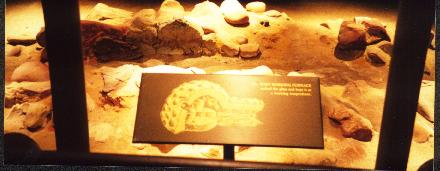 |
| To the left is the furnace from the original glasshouse in Jamestown. Unfortunately, glassblowing did not turn out to be a lucrative industry for the original settlers. |
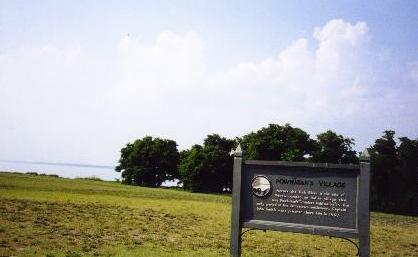
| To the left is a view of the James River from Colonial Parkway. The sign mentions that the site of Powhatan(father of Pocahonatas)'s village was across the river. The Colonial Parkway is a very beautiful drive with many views like this one-I would encourage everyone to do it someday. |
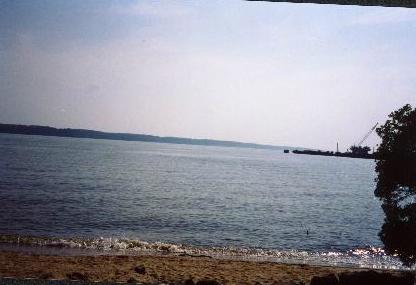
| To the left is a view of the James River from Jamestown. |
 |
 |
 |
 |
 |
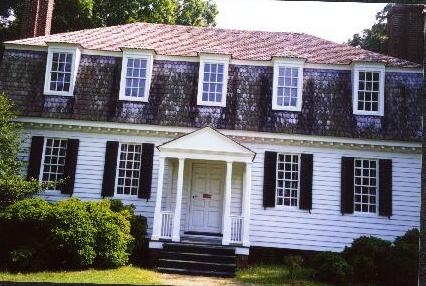
| To the left is the Moore House, where the surrender terms for Cornwalis(British commander)' army were discussed by officers from both sides. Cornwalis himself was not present at the surrender, claiming to be ill. |
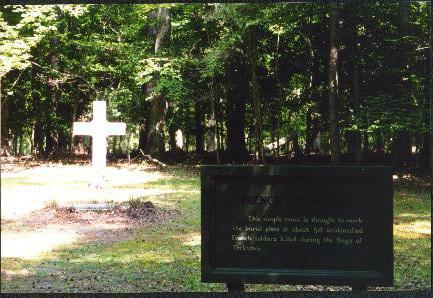
| To the left is a simple cross over the site where 50 French soldiers are buried. The inscription reads "Ici reposent une cinquantaine de soldats inconnus francais morts a Yorktown pour l'independence americane 1781." The translation is "Here rest 50 unknown French soldiers died at Yorktown for American independence." |
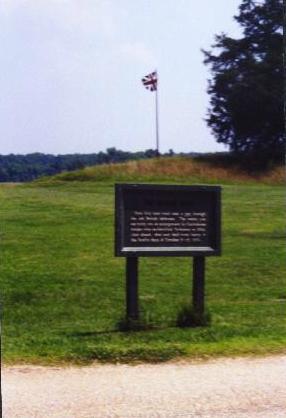
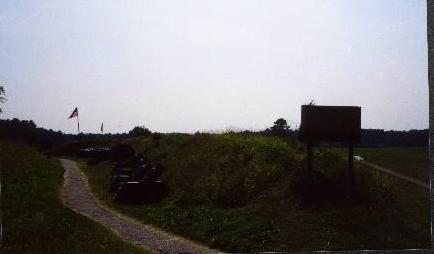
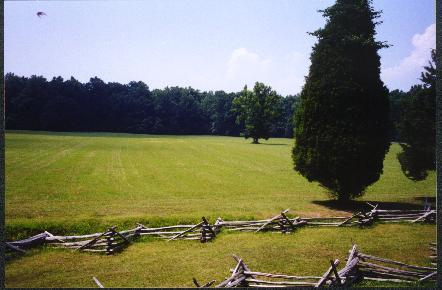
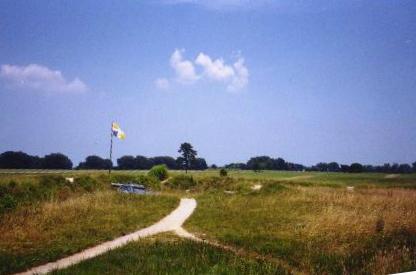
| To the left is Surrender Field where Cornwalis' army laid down their arms and surrendered. Directly below is a British defensive position. The Confederates in 1862 refortified the original British defenses during the Civil War Battle of Yorktown. |
| Directly to the left is an American artillery position. Directly above is a French artillery position. American and French artillery mercilessly pounded British positions in round-the-clock bombardment. This led to an attempted British escape that was prevented by the French fleet. With his army trapped, Cornwalis had no choice but surrender. |