 |
|
|
|
|
|
|
|
|
|
|
|
|
|
|
|
|
|
|
|
|
|
|
|
|
 |
|
|
|
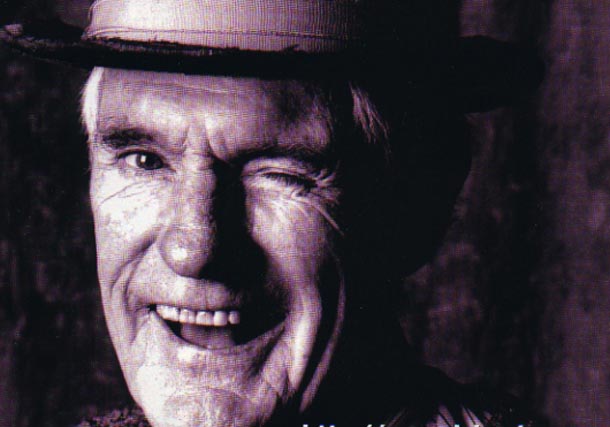
While standing in a long line of students waiting to see Timothy Leary's Trans-Formation Session lecture at Porter College back in 1993, I realized that I had known Timothy, at that point, for 29 years. When I looked at those in the ticket line, my thought was that only perhaps two of all those queued up had even been conceived by then! So he obviously was, toward the end, appealing to a newer audience, having been on the college circuit for more than a third of a century! |
|
|
|
In a public memorial service in San Francisco held a couple of weeks after Leary's death, collaborator Robert Anton Wilson said at one dramatic point in his talk that since Timothy was no long with us to stand up for LSD and other psychedelics, it was up to each of us to stand up for acid. People began rising and before long the entire congregation was on its feet, including, I'm pretty sure, the Unitarian minister whose talk about this "smiling man with a bad reputation" -- a phrase from Leary's Psychedelic Prayers -- had begun those proceedings. |
|
|
|
|
|
Humphry Osmond (who gave us the word "psychedelic") and Aldous Huxley went out to see Timothy the night John Kennedy was elected president. Afterwards, they sat around assessing Leary's role as a potential spokesman, and concluded he would be okay, but was, perhaps, "a bit too square." Osmond has commented that that episode has caused him to question his judgement ever since. |
|
|
|
I have been asked, during this aftermath of Leary's death, whether I knew him. Well, yes, I actually touched him and saw him on numerous occasions. He asked me for cigarettes many a time. Let us not have future generations wondering whether all of his output was produced by Francis Bacon!
What will be his impact/legacy? |
|
|
|
|
The New York Times' obituary writer made out that after the '60s, Leary became a "celebrity" and "dabbled" in writing books and discussing cyberculture. Well, Timothy did produce at least 30 books -- more than several of them over 500 pages long. That isn't perhaps up to the standards of the legendary effulgence of an Asimov, say, but how much "dabbling" like this has anyone done? (I don't think that anyone doubts that Leary did drop a few chemicals. And I doubt that anyone would say that this left him "amotivated.")
The Annotated Bibliography of Timothy Leary mounts to well over 300 pages, in 9-point type. |
|
|
|
|
|
|
I have earlier compared him to Voltaire, another rapscallion, who, as it happened, brought us out of the Dark Ages and into "The Enlightenment." Both he and Timothy took enormous risks for what they believed in, and both had enormous effects upon their times. |
|
|
|
|
|
 |
|
|
|
|
Back to
Contents
Page |
|
|
|
|
|
 |
|
|
|
|
|
 |
|
|
|
|
|
|
|
|
|
|
|
|