|
|
NATIVE EUROPEAN RACE |
|
This
website is aimed at promoting the reality of a Proto-European Race, while
simultaneously dispelling the notion of a "White Race".
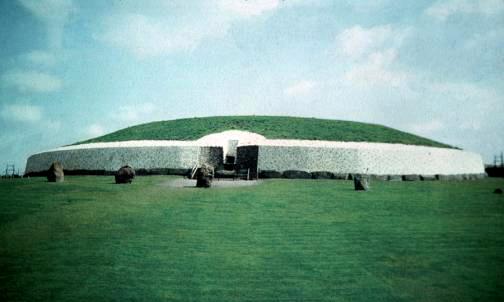
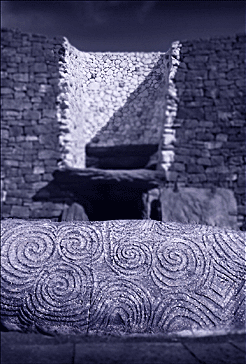
Newgrange,
Ireland. Europe’s oldest building, built in 3,200 BC.
A
Y-chromosome is passed from grandfather, to father, to son, with relatively
little in the way genetic variation. Therefore a person’s paternal ancestry can
be accurately traced by considering these slight variations. Modern anthologists
divide the planets population into a number of ancestral groups, called
haplogroups, based on this idea. Two haplogroups, haplogroup 1 and its
mutational variant, haplogroup 22, (now collectively referred to as Haplogroup R1B), are indigenous to Europe. The holders of
these haplogroups descend from the Stone Age inhabitants of Europe, who were
resident on the European continent over 10,000 years ago. The remaining
haplogroups are associated with Europe’s invaders, who first began arriving here
approximately 3,000 years ago. The map below indicates the haplogroup
composition of Europe today. Haplogroup 1 and 22 are presented in light green.
Haplogroup 22 is almost exclusive to the remote Basque
region.

As you can see,
the indigenous haplogroups are found with highest concentration in the west of
Europe. In Connacht, Ireland’s western province, men with Gaelic surnames have a
98.9% probability of belonging to haplogroup 1. Irishmen with Norse or Norman
names have a 62% probability, Anglo-Irish men have a 62% probability and
non-Gaelic Scottish surnames are found to have a 53% HG1 probability within the
Irish male population [1]-[3].
The Basque Country has the highest national indigenous population, at roughly
90%, and this is consistent with the Basque language being regarded as the only
surviving European Stone Age language.
BBC:
Genes link
Celts to Basques [4].
"The Welsh and
Irish Celts have been found to be the genetic blood-brothers of Basques,
scientists have revealed."
BBC:
English and
Welsh are races apart [5].
"Gene scientists claim to have found proof
that the Welsh are the "true" Britons."
Gene
Expression: Celts &
Iberians [6].
"There is new
research (unpublished) that seems to confirm a relationship between the peoples
of Iberia & the Celtic Isles. This is obviously a novel idea, because news
magazines seem intent on picking up this story and presenting it as if previous
papers that pointed in this direction had never come to
light."
But
where do the Celts fit in? The Celts were the first Aryans to invade Europe, and
did so around 3,000 years ago. The Celts arrived in Ireland during the third
century BC, approximately 7,000 years after the Proto-Europeans first arrived.
Therefore the Gaels and Britons are inaccurately described by the word "Celtic",
with the phrase "Proto-Celtic" being a better description of these hybrid
cultures. The Aryan ancestors of the Celts are depicted by the colour blue in
the map above, and contribute roughly 20% to the genetic makeup of Proto-Celtic
nations. Brythonic (Welsh, Cornish, Breton) and Gaelic (Irish, Scottish, Manx)
languages have long been regarded as Celtic, and therefore Indo-European in
extraction, but strong similarities do exist between the Basque language and
so-called "Celtic" languages.
Infoplease:
Celtic
languages, Pronunciation and Grammar [7].
"An interesting feature of Celtic languages is that in several characteristics they resemble some non-Indo-European languages. These characteristics include the absence of a present participle and the use instead of a verbal noun (found also in Egyptian and Berber), the frequent expression of agency by means of an impersonal passive construction instead of by a verbal subject in the nominative case as in Egyptian, Berber, Basque, and some Caucasian and Eskimo languages), and the positioning of the verb at the beginning of a sentence (typical of Egyptian and Berber)."Northern
Scotland was the only part of Britain and Ireland to escape Celtic influence
2,000 years ago, and as a result Proto-European culture survived there in a
homogenous state (in the form of Pictish culture), until the Gaels arrived there
sometime before 300AD. It’s important at this point to reflect on the way in
which the terms "Celtic" and "Native" are interchangeably used in today’s
society. The Celts were not the native British or Irish as the above BBC
articles mistakenly presume. Instead the Celts contributed to an already
existing Native European culture.
And
where do Anglo-Saxons fit in? Again, England is primarily Proto-European in
ancestry. The idea of the pure blonde-headed Germanic Englishman is a
misconception and again the BBC article above runs away with itself when
referring to the English and Welsh being races apart. Instead, the English have
a higher percentage of HP2 and HP3 genes among their population. As already
stated, HP2 is associated with Indo-Europeans including Germanics and Celts. HP3
is found among Scandinavian and Slavic populations and found it way to Britain
via the Vikings. HP3 was introduced into Europe with the invasion of Barbarian
tribes, resulting in the fall of the Roman Empire. The Vikings have had little
genetic influence on the Irish gene poll, the Irish defeating the Vikings in the
Battle of Clontarf, 1014.
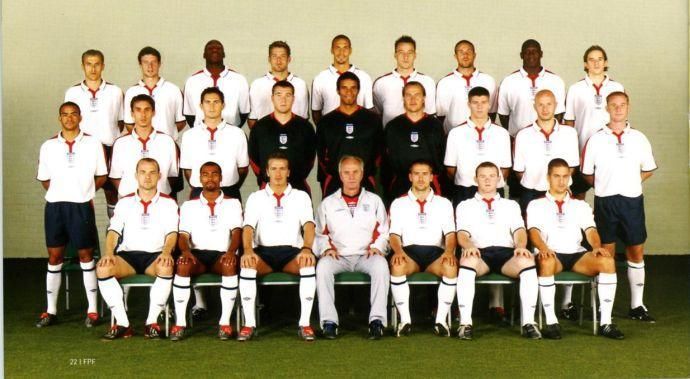
The
English National Soccer Team
What
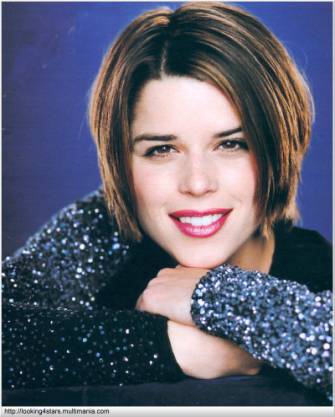
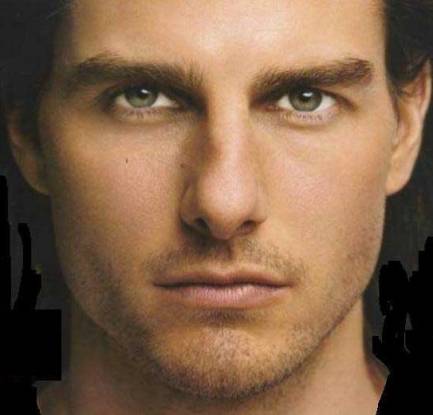
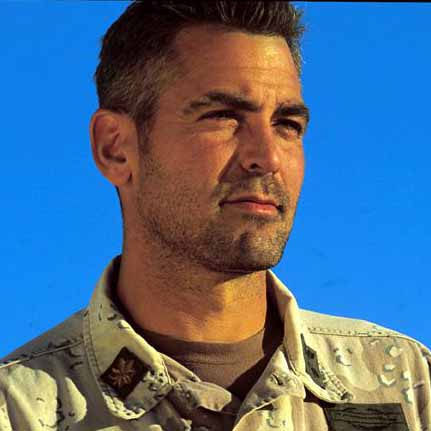
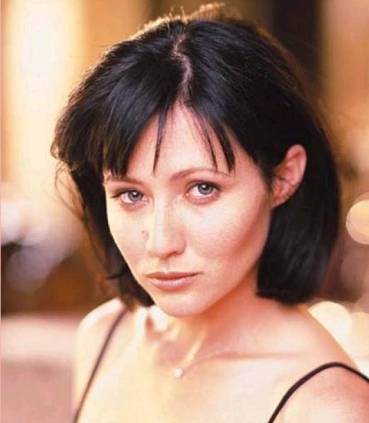
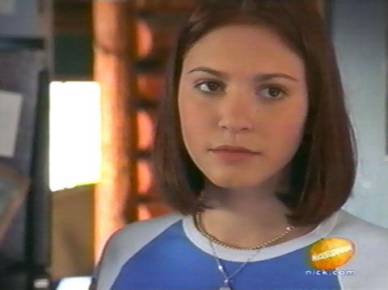
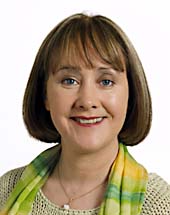
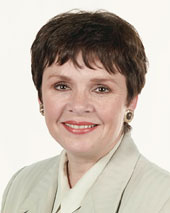
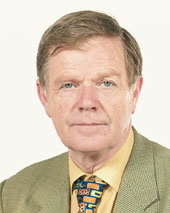
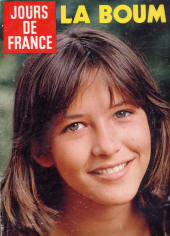
physical features are particular to the Proto-European Race? Generally speaking,
Native Europeans have chestnut coloured hair (brown with red highlights), hazel
coloured eyes and round noses. The following people have strong Native European
roots:
|
Neve
Campbell |
Tom
Cruise |
|
George
Clooney |
Shannen
Doherty |
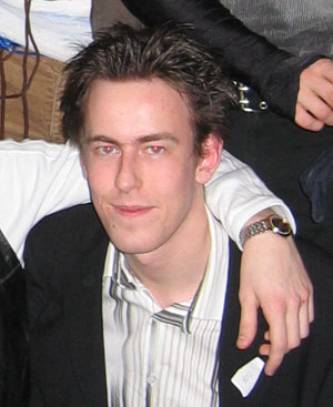
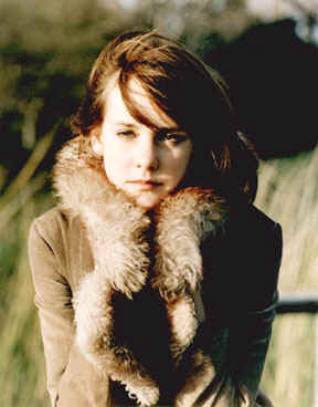
Here
are further examples:
|
|
| ||
|
|
| ||
|
|
| ||
|
|
| ||
|
|
| ||
|
|
| ||
|
|
|
|
|
|
|
|
|
|

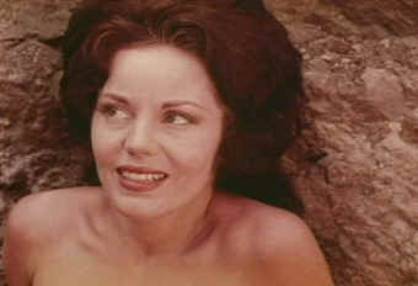
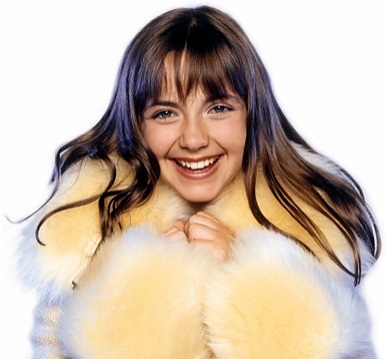
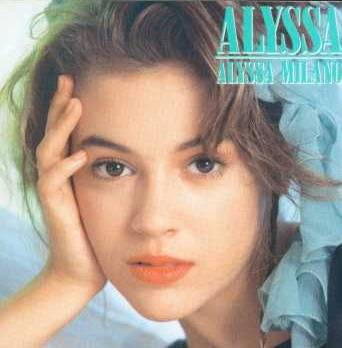

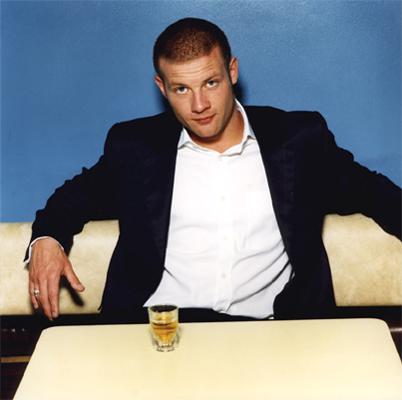



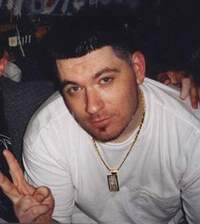

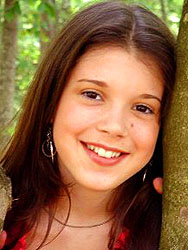
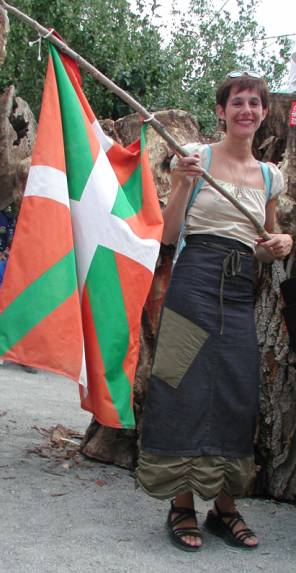
A
Basque Woman:
Gaelic
Footballers from Connacht Province, Ireland:
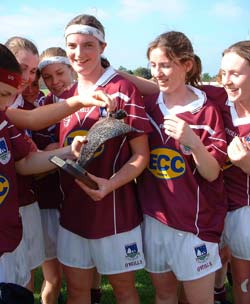
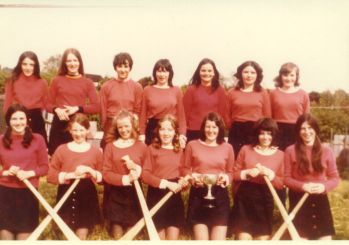
Camogie players from Ulster Province, Ireland:
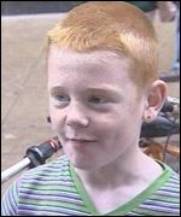
Ginger is found
as a recessive hair colour among the Proto-European population. Scotland and
Ireland have the highest redheaded populations in the world with 13% and 10%
respectfully:
|
|
|
|
|
|
Examples of
people who are predominantly non-Proto-European in
ancestry:
|
Lithuanian |
Latvian |
Ukrainian |
Russian |
|
Bulgarian |
Finnish |
Lapp |
Pole |
|
Bulgarian/Czech |
Swedish |
Dutch |
Greek |
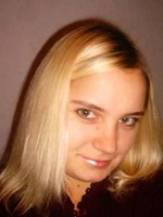
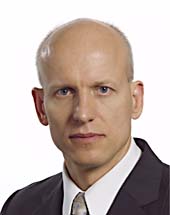
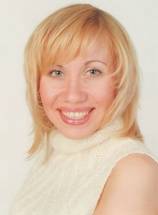
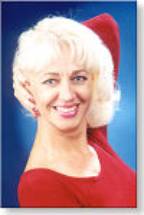
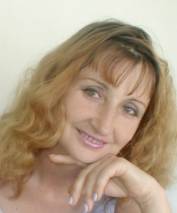
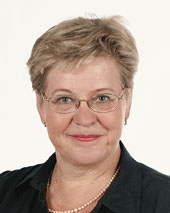
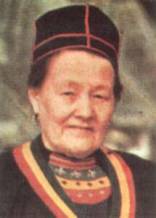
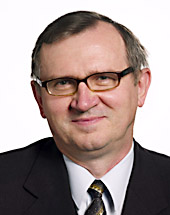
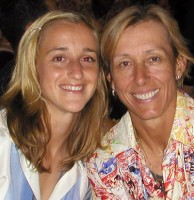

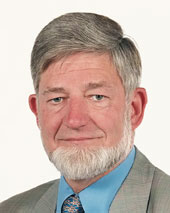
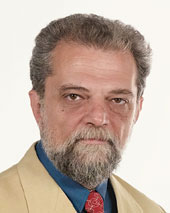
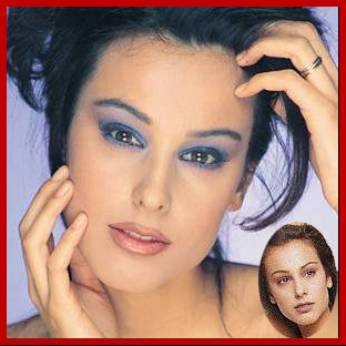
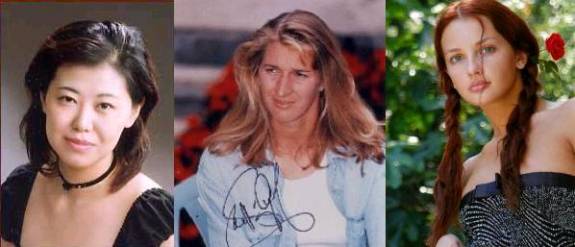
Which of the three women below is Japanese? The first woman obviously, and you made you decision based on the woman’s eye shape which is Mongoloid in nature. But which of the remaining women is probably Irish? Again the answer is obvious and this time hair colour and nose shape was used in reaching your decision. It is ridiculous to regard the second and third women below as belonging to one race, while banishing the first to another. Evidently all three women are equally racially different, the third woman belonging to the Proto-European Race, the second being predominantly descendant from the Aryan and Barbarian invaders of Europe (like those pictured immediately above), and therefore non-Proto-European in racial respects.
|
|
|
|
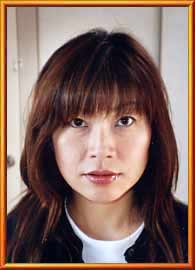
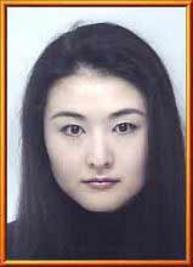
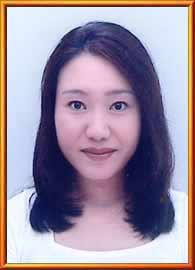
The
women below are Japanese. Have they white skin? Yes. Do they belong to the
"White Race"? No.
|
|
|
|
|
|
|
|



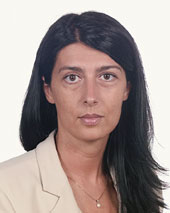
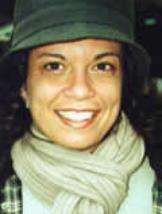
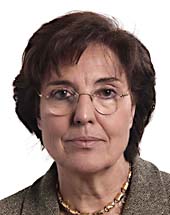
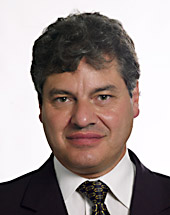
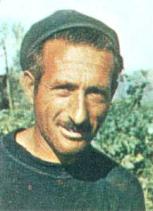
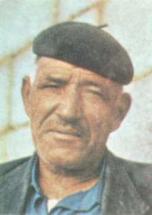
The
below people are Mediterranean. Ironically, they are members of the "White
Race", yet have darker skin than the Japanese. Bizarre. The fact is the Moors
ruled the Mediterranean for hundreds of years, contributing to the gene poll
there. Modern anthropology, in the form of haplogroups, clearly shows this
contribution as seen in the map above.
|
Italian |
Portuguese |
Spanish |
|
Maltese |
Sardinian |
Canarian |
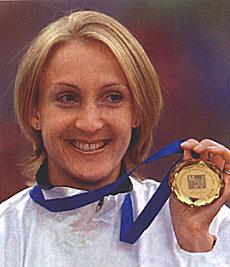
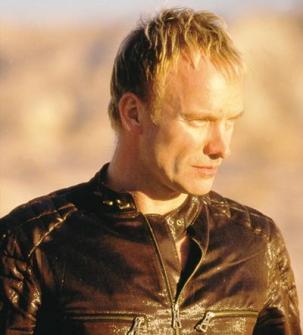
Further
examples of non-Native European types:
|
|
|
|
|
|
References:
[1]
Y-Chromosome Variation and Irish Origin
http://www2.smumn.edu/uasal/DNAWWW/pdfs/Yirish.pdf
[2]
More
About Genes - The Irish Really are a Race Apart
http://www.insideireland.com/sample19.htm
[3]
Estimating Scandinavian and Gaelic
Ancestry in the Male
Settlers of Iceland
http://www.journals.uchicago.edu/AJHG/journal/issues/v67n3/001900/001900.html
[4]
http://news.bbc.co.uk/1/hi/wales/1256894.stm
[5]
http://news.bbc.co.uk/1/hi/uk/wales/2076470.stm
[6]
http://www.gnxp.com
[7]
http://www.infoplease.com/ce6/society/A0857224.html
Author: Cathal
Campbell-Shaw.
Email: [email protected]