 |
| Traditional Malay Attire |
|
| Traditional Malay dressing is strongly dictated by the Islamic dress code, though over the years certain liberties have been taken. But with the revival of Islamic consciousness among the Malays, Malay dessing has returned to its original accent on modesty and conservatism. |
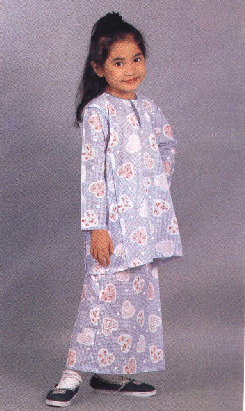 |
| Baju Kurung: The Malay traditional costume for women is called the baju kurung. It comprises a loose tunic, the baju, worn over a long skirt or a sarong. It is still worn in its original loose form, especially when attending funerals where the white baju is normally worn as a sign of respect. On other occasions, the baju is worn in all shades and colours. Baju Kurungs are often worn on Fridays by female office workers, as a sign of respect for the day, even among those who opt for modern dresses on other days. |
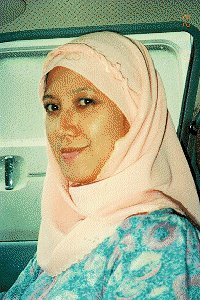 |
| Selengdang: Among the muslimat, another mandatory piece of clothing is the scarf called either the tudung or selengdang. This should cover the hair and the bosom, in accordance with the Islamic dress code. The selengdang has been part of the Malay woman's wardrobe for ages, though with greater understanding of Islam, a stricter observance of what should be concealed and what can be exposed is now practiced. In the past, the selengdang would be draped over the head (exposing part of the hair) or simply slung over the shoulder. |
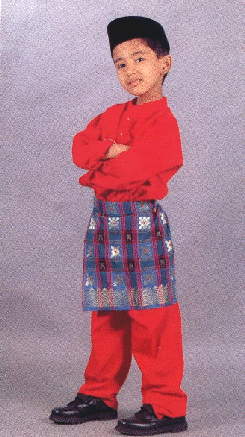 |
| Baju Melayu: The traditional garb for the men is the Baju Melayu. It is a loose shirt worn over a sarung or a pair of trousers. The more elaborate ones will also don a kain samping- a piece of brocade (songket) tied around the waist, and trousers to match the shirt. To complete their ensemble, a headdress called a songkok is worn. This is normally made of velvet. Headdresses are encouraged during prayers, and the songkok has become an indispensible part of the Malay man's costume. |
|
|
 |