| MAGICAL MYTHS 101 Lesson Three |
 |
| Ok, so now the rules are passing laws to ban the use of magic and those practicing it, also the Christian Church has grown and is getting powerful. The Church and government continued to work together to oppose magic through the Middle Ages. However magical beliefs and practices, especially associated with healing ( folk medicine) were passed on secretly to �cunning men� and �cunning women�. (We cover this in a later lesson) Beginning around the middle of the 12th century, magic began to be portrayed in a much better light, at least by writers of fiction. First in France, then later in Germany and England, poets wrote marvelous adventures tales that were set in distant past and involved magic-filled exploits of valiant knights, beautiful damsels, and heroic kings. The work �magic� was avoided and used �wonders�, �astonishments� and �enchantments� instead. Heroes were given swords with special powers, dishes that served themselves, chariots that needed no pilot, rings that made the were able to withstand fire, drowning, or catastrophes. Fairies and monsters appeared from mythology. Potions, astrological divination, spell casting, and healing herbs were featured. Although �black� magic appeared in the tales as evil, most of the tales presented magic in a positive light. In the 15th and 16th century, �natural magic� grabbed respectability. Unlike the �supernatural� aspects, instead it based on everything in nature, people, plants, animals, rocks, and minerals, overflowed with powerful but hidden forces known as �occult virtues�. Gems were believed to contain the power to cure diseases, affect moods, and even bring good luck. Herbs had occult virtues that could heal. Even colors and numbers had hidden powers. Natural magicians, including physicians, had the challenge of unlocking the hidden forces in these natural items. |
| Being a natural magician required research, study, and careful observation of nature. Sometimes the �occult virtue� was revealed by its very appearance, like the herb scorpius (named because it looked like a scorpion) was deemed an effective remedy for spider bites. Plants and animals with similar shapes were thought to share similar qualities. Most important in natural magic was the study of Astrology, because it was believed the Sun, moon, stars effected every day life. For example, the emerald, the metal copper, and the color green all shared qualities derived from the planet Venus. Knowing this, the natural magician would use these elements affect to area of life that Venus �ruled�, health, beauty and love. As using lead, the onyx stone, and the color black, all associated with Saturn, which was associated with death and depression. They also had to have extensive knowledge of anatomy and herb logy. They were masters in mixing, matching, and exploiting the hidden properties of nature so as to achieve miraculous and beneficial results.
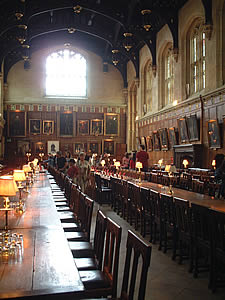
During the Renaissance natural magic was an appropriate area of study for intellectuals, physicians, clergymen, and anyone with a since of scientific curiosity, (think Da Vinci). Many of these scholars would have been at home at Hogwarts where many elements of natural magic are all part of the curriculum, such as herbology, astrology, palmistry, arithmancy, and the horoscope! In the next lesson, we will discuss the �rising of spirits� that was not totally forgotten in this period of �natural magic�. |
| Quiz:
1.) What happened in the 12th century? 2.) Where did stories and tales about magic first appear? 3.) In the books and tales, how was magic described? 4.) How was magic presented in the tales, what words were used? 5.) Since they tried to avoid using the right names, how did they describe the people, creatures and items in their tales of magic? 6.) What is the 'occult virtue'? 7.) What powers do the Gems hold within them? 8.) What herbs, numbers, and colors have in common? 9.) Being a natural magician required what and why? 10.) Why would the scholars from the Renaissance feel at home in Hogwarts? |
 |
| Clicking on the candle will allow you to send me your homeword, via my mail address: [email protected] Clicking 'here' will take you back to the Lesson Page. |