Tea Leaf Reading
Lesson One

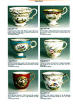
People have been drinking tea for about five thousand years and probably have been reading tea leaves just as long. Tealeaf reading, also known as Tasseomancy or tasseography, began with the ancient Chinese, who read the residue in the bottoms of their cups for patterns, signs, and omens. As tea found its way to the Western world, the art of tealeaf reading took root in Europe. In the mid-seventeen century, tea drinking was still mainly an upper-class affair but when trade and availability increased, the lower classes also had access. By the mid-nineteenth century, the Gypsies soothsayer calling door-to-door to read leaves, was a common place.
Occult lore find a correlation between the bowl shape of the cup and the celestial dome of the heavens, and between the leaves and the stars; some companies market tea cups with the signs of the Zodiac printed in the bowl, to help just such a reading. This is not necessary, for tea-leaf reading is among the most easily reached of divination systems, Tasseomancy requires nothing more than a simple cup, a bit of tea, and a quite, receptive mood.
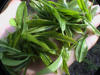
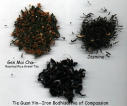
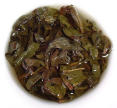
Preparations � loose tea is necessary for reading, because the stems and different leaf sizes offer a wider range of shapes to interpret than grounds from a tea bag.
A good reading usually involves from a pinch to a half-teaspoon of leaves; too much and the leaves will clump together, too little and the leaves will drip weakly down the sides of the cup.
Cream and sugar are to be avoided, as they tend to render the leaves gooey and illegible.
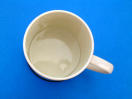
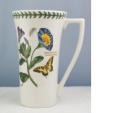
As for the cup to use in reading tealeaves, the closer it resembles a bowl the better for a reading. Mugs won�t work because their sides are too straight � the leaves won�t stick. The cup�s handle is used as a reference point in the reading, so an actual bowl wont� do either. Avoid cups with patterns or decorations printed on the inside, as the print will interfere with your reading of the patterns of the leaves.
True or False
1.Reading tea leaves is called tasseomancy.
2. Reading tea leaves is called tasseography.
3. Reading tea leaves is an exact science.
4. It takes a lot of skill to read leaves.
5. There are general accepted symbols.
6, The taller and deeper the cup, the better the reading.
7. Avoid cups with lots of patterens.