When it comes to nutrition, sweetness and tastiness, you can't go wrong with a piece of fruit. Americans seem to agree, as fruit sales make up 47 percent of produce per-store weekly dollar sales, according to the Produce Marketing Association (PMA). Bananas reign supreme, while consumers also eat plenty of apples, grapes, strawberries and oranges.
Around 75 percent of consumers purchase bananas, says the PMA, and for good reason. Each medium-sized piece of fruit contains only about 105 calories, but a bevy of nutrients, including potassium, vitamin B-6, vitamin C, magnesium, copper and manganese.
Bananas contain resistant starch, which functions like soluble fiber, and has an effect on your appetite by potentially increasing the feeling of fullness after you eat. Bananas also help minimize the effects of exercise-induced muscle cramps and soreness.
Rare Fruit That Tastes Like Pineapple Could Hit Stores Thanks to Gene Editing
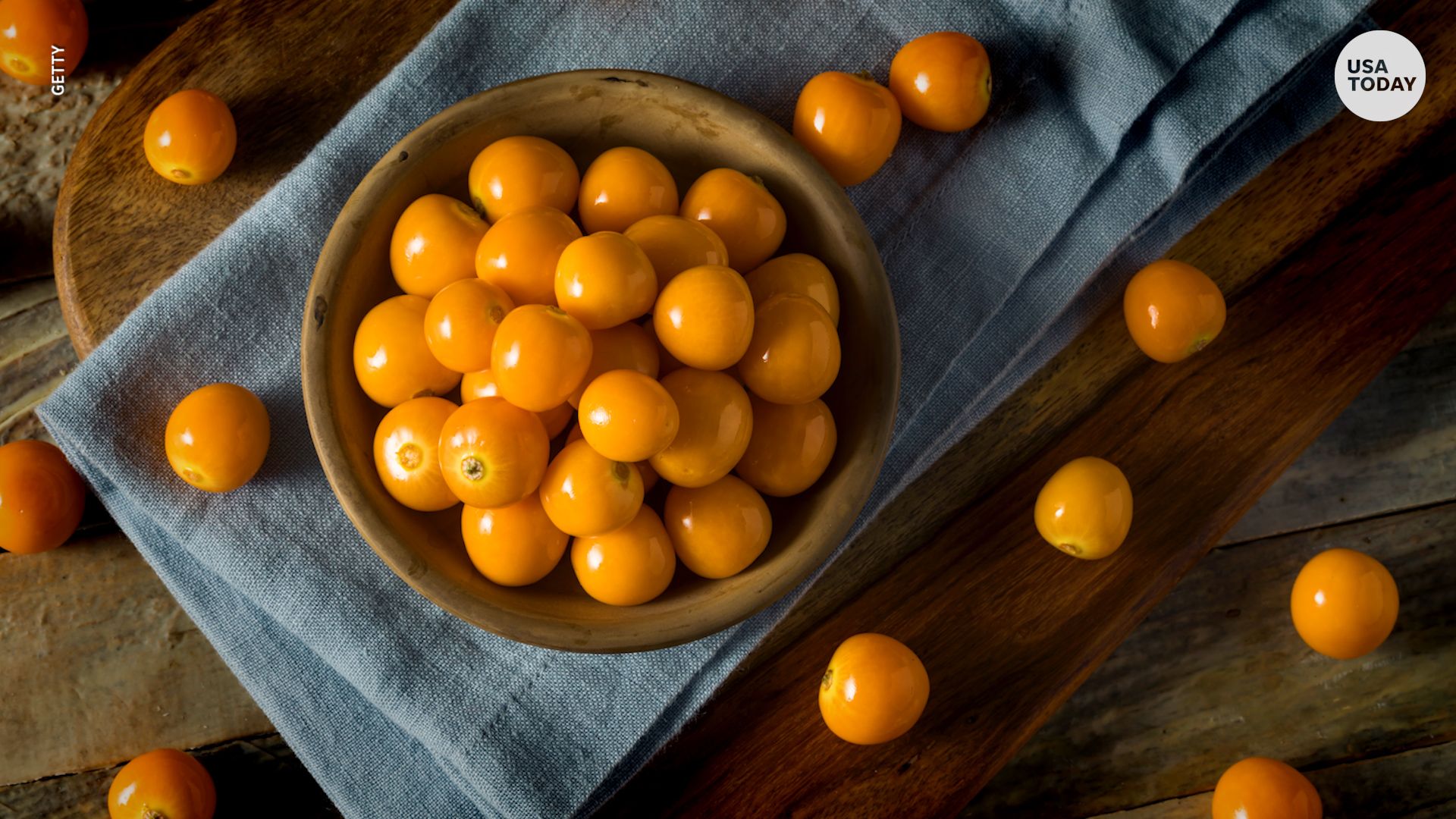
A rare fruit could wind up in U.S. stores in the near future after scientists spliced its DNA to make it heartier and more efficient. It's called the groundcherry, and its success could lead to the modification of more rare fruits and vegetables.
Found in Central and South America, the groundcherry grows in a husk like a tomatillo but tastes a bit like a pineapple. Occasionally found at farmers markets, it's known as an "orphan crop," a plant too finicky for mass production.
For one, groundcherries often fall to the ground before they're ripe, hence the name, CNN reported, and its plant is unwieldy. But knowing which genes aid tomato plants, scientists at New York's Cold Spring Harbor Laboratory tweaked the groundcherry's DNA to produce a plant both larger and more fruitful.
They did this using CRISPR, a gene-editing tool used also to produce low-fat pigs and reprogram cells for cancer treatments.
The Groundcherry
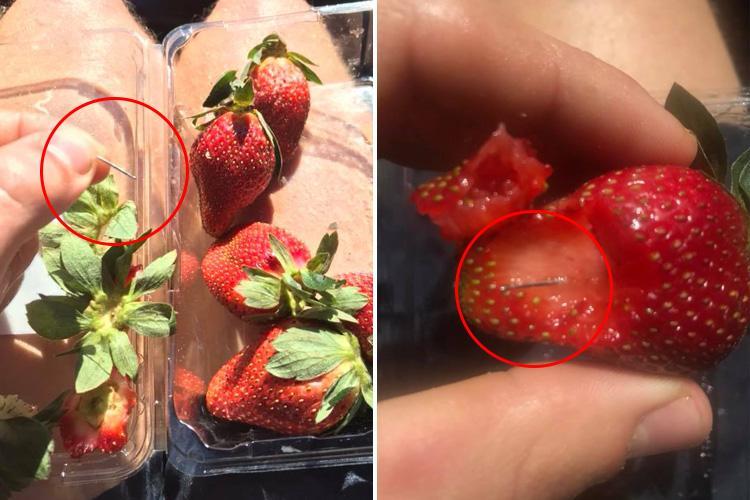
Needles in Strawberries Spark Massive Recalls, Manhunt in Australia
Public fears about sewing needles concealed inside strawberries on supermarket shelves have spread across Australia and New Zealand as growers turn to metal detectors and the Australian government launches an investigation to restore public confidence in the popular fruit.
The government of Queensland state, where the contamination scare started last week, offered a 100,000 Australian dollar ($72,000) reward for information leading to the arrest of the person responsible for inserting needles into strawberries after six brands — Donnybrook Berries, Love Berry, Delightful Strawberries, Oasis, Berry Obsession and Berry Licious — were recalled.
The scare had spread across the nation by Monday, with needles reported found in strawberries in all six Australian states. No injuries have been reported.
Federal Health Minister Greg Hunt ordered the national food safety watchdog to investigate Queensland's handling of the needle scare.
Spiked strawberries?