Examples of Problems
According to the general definition problem is an ordered couple of states of an object. This means that whenever we hear or think the word "problem" we can always find a well defined part of the objective reality to which the problem is related. That part of the objective reality is called "problem object". There are two states of the problem object that determine the problem itself - the initial state - which is the unfavouraable and often the current state - and the final state being the favourable one, and usually we would like to achieve that state in the future.
Comments to the problems were added casually and depict some features of the theory.
| Problem | ||||
| No | Description | Initial state | Final state | Comment |
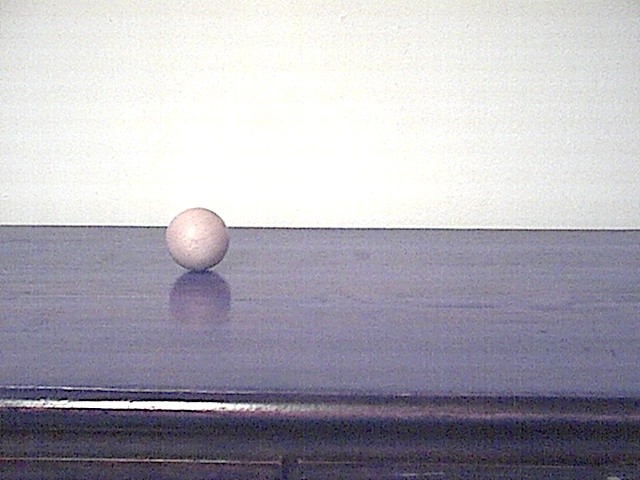
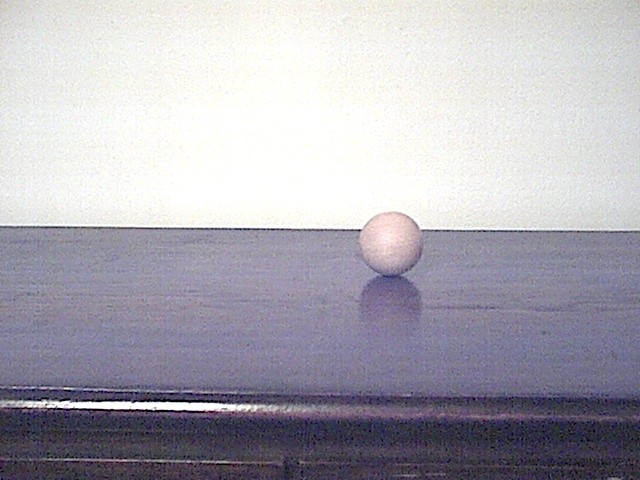
| 1 | Moving a ball from position A to position B | |
|
The problem object is the ball, its state can be specified by space coordinates of its position. |
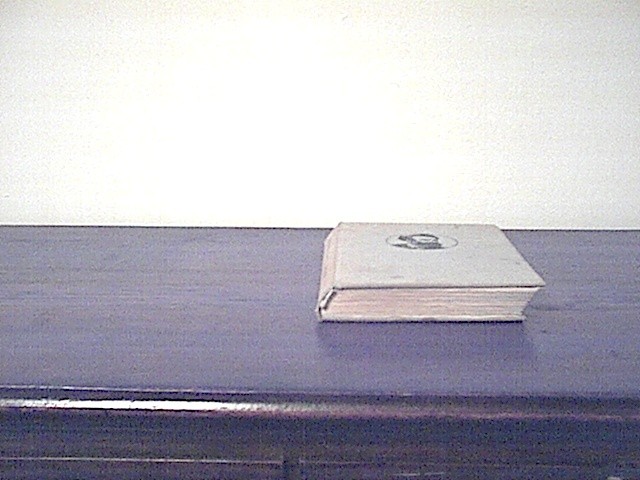
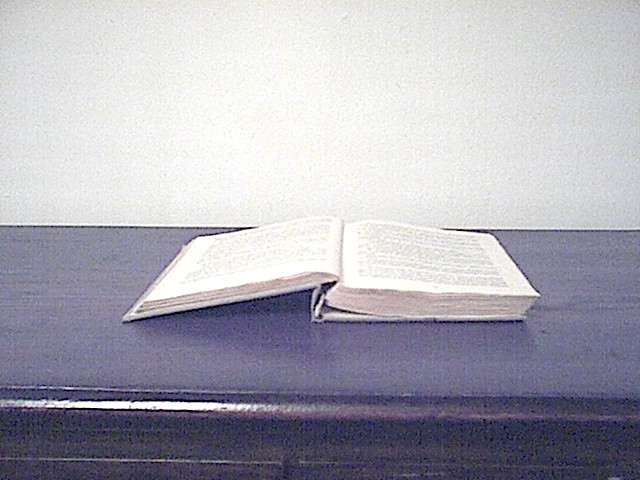
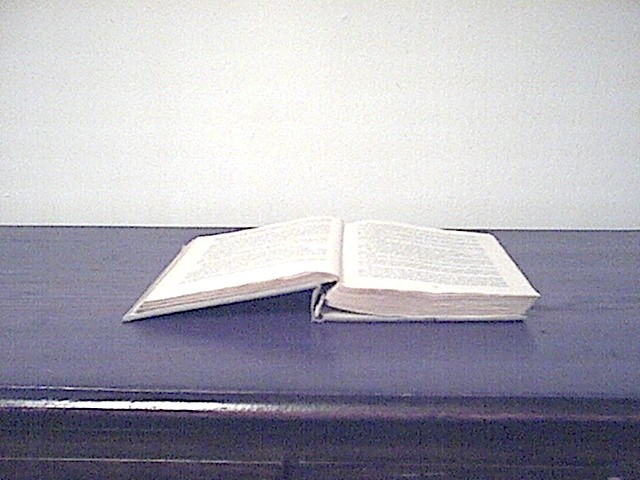
| 2 | Opening a book | |
|
|
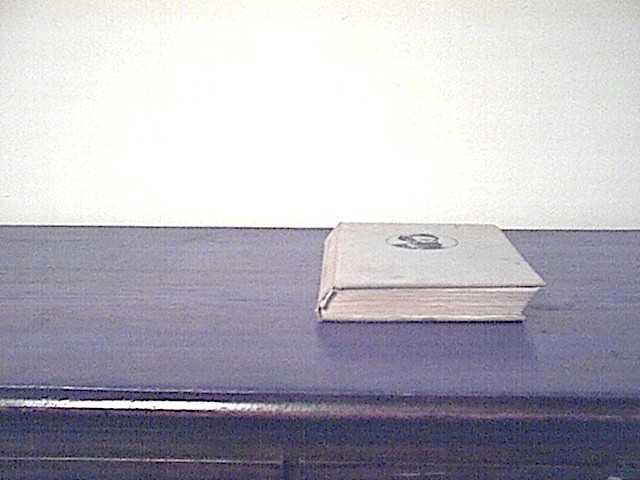
| 3 | Closing a book | |
|
This one is the inverse problem to the previous one |
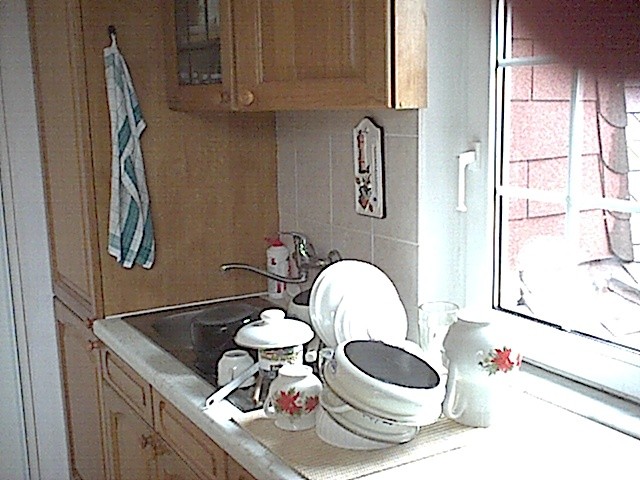
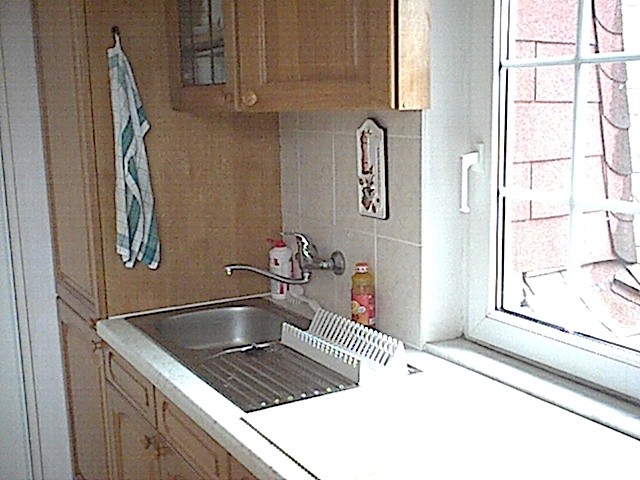
| 4 | Wiping dry the dishes | |
|
In the final state, the dishes are placed in the cupboards (and the water from the dishes is partly in the dishcloth and partly in the air, to be exact) |
| 5 | Software Problem | |
|
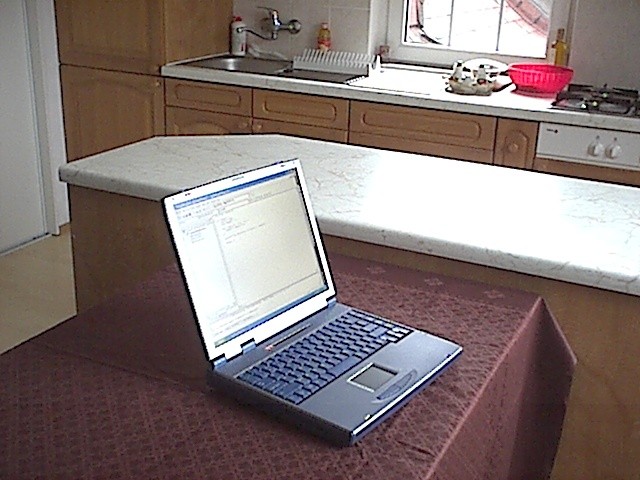
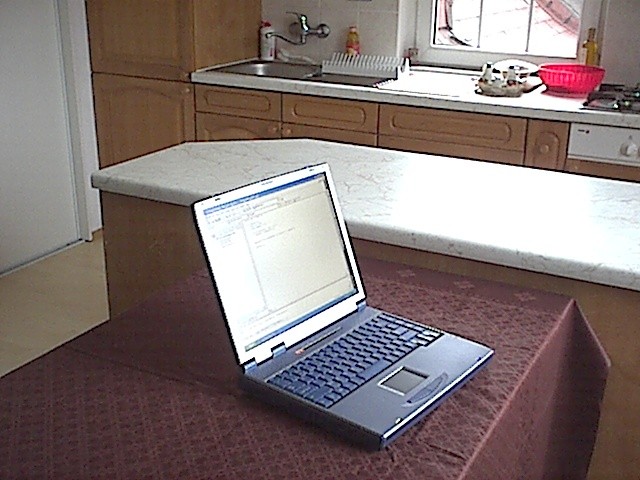
Both states look the same - but really: status of the PC harddisk changed, because an error was fixed in the software |
| 6 | Software problem in detail | |
|
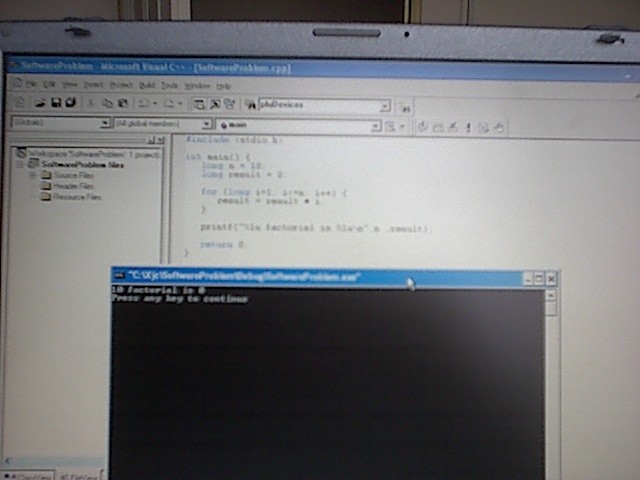
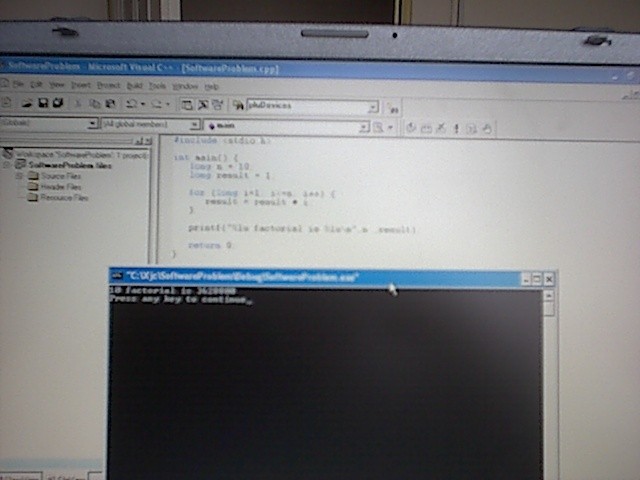
The same problem as the previous one, but in a detail. If the picture is enlarged it is possible to see that the "Software problem" is not cheating... |
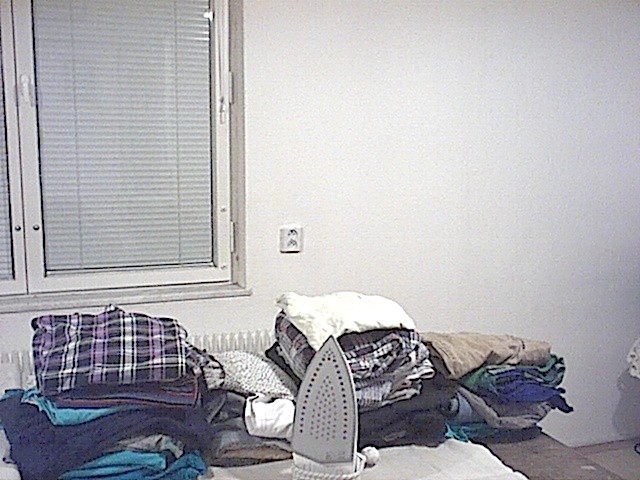
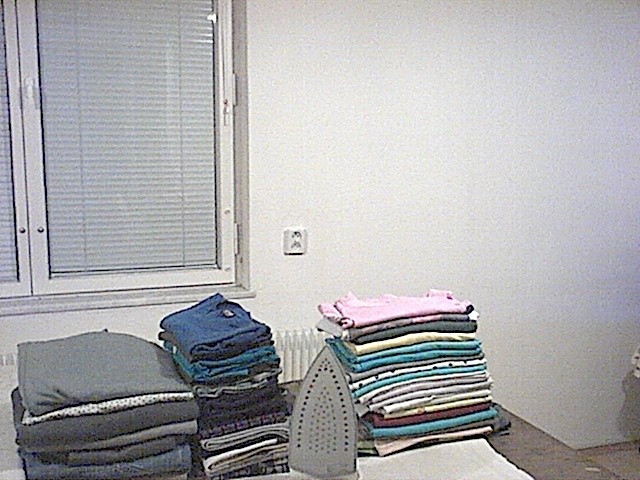
| 7 | Ironing clothes | |
|
The state of clothes changed for the better |