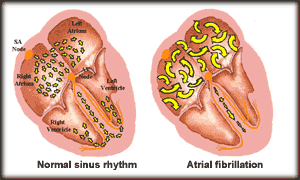
Lack of organized contraction by the atria causes several detrimental results, first, because less blood is pumped into the ventricles, there is less blood circulating through the body, and blood accumulates in the lungs and causes shortness of breath (dyspenea) and other symptoms of Heart Failure.
Second, because the heart is no longer pumping blood into the ventricles, the blood in the atria becomes relatively stagnant, There is a real risk that over time the stagnant blood will form a blood clot. If a blood clot forms, it may eventually enter the left ventricle and be pumped out into the body. If this happens, the clot may travel to the brain, block the flow of blood in a cerebral artery and cause a STROKE.
And third, the atrial fibrillation can create chest pain or angina.
The diagnosis of Atrial Fibrillation is made by obtaining an ELECTROCARDIOGRAM, OR EKG, the EKG can also suggest recent or past heart attack, inflammation of the pericardium, or a blood clot that has traveled into the lungs, among other things.
THERE IS NO PREPARATION FOR THIS 10 MINUTE TEST. |