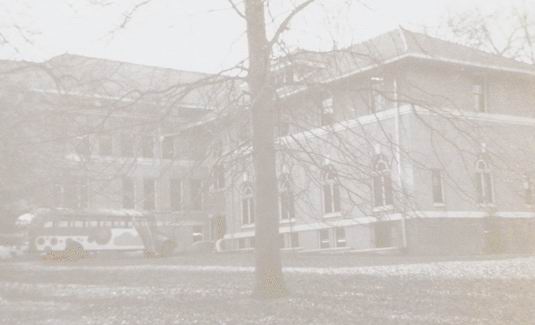
In Fall of 1970, several high school graduates landed
on the first-semester scholarship list of a fledgling art school in one of the central United States. Loosely associated with the state's second-largest university,
the art school had just moved from spare quarters downtown to an upscale historical community, and needed fresh students to fill up the roster and help
with the mortgage. Second semester would find most
of them paying tuition.
On the surface, this group of roughly ten young ladies and fifteen young men seemed no different from any other senior high school art class. A few came from wealth, but most had developed their art, such as it was, in public schools in the surrounding counties. Some
were already rebelling against "the establishment"--their jeans, peace symbols and long hair attesting--but all carried that innocent smugness that they, unlike
most of their fellow graduates, had been spared the drudgery of flipping burgers--or worse yet, four more years of academia.
Beneath the surface lay a reality so far from appearances, it would be thirty-five years before any of them realized why their camaraderie in this amazingly permissive, wonderfully Bohemian atmosphere was almost immediate. By the end of their first year--the
last for some of them, as tuition kicked in and the
school still struggled for accreditation--their bond resembled that of a graduating class. Most moved on before graduating, re-entering the world of conventional college, jobs, marriages and mortgages. It was
familiar, less risky, and far easier than sweating a living out of charcoal and clay and acrylics.
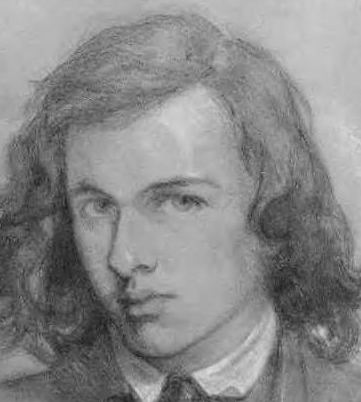
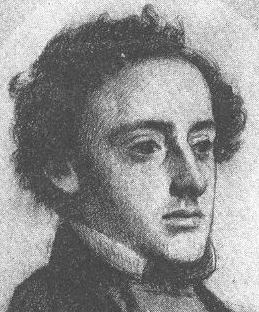
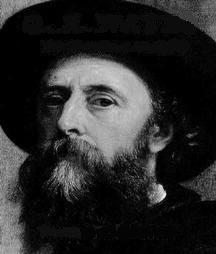
They had lost something, this clique of budding artists, something that had fueled their art with a passion verging on madness just over a century ago in Victorian England. One of them had even had the gall to take on the Royal Academy's tired traditional art and send it down a different road--a road so colorful and complex it was considered outrageously vulgar until critic John Ruskin stepped up to redeem it. From there the map was forever changed.
But it was not youth or talent these art students lacked in 1970s America. What they had lost, in this country built and run on war/depression economics, was their idealistic fervor. In a nation of proliferating fast-food chains and disposable goods, the notion of a starving artist living in an unheated garret seemed less than romantic. There were no rich gentry to offer them patronage. Nor were families willing to support a struggling artist. Popular culture had undergone mass change, as well. The gods of art were no longer painters and sculptors, but "movie stars" and rock musicians. Beer and marijuana had become standard weekend recreation. Neither tended to stoke the creative fires. Premarital sex, whose taboo had served as a rigid discipline and therefore a driving force behind the frustrated passion of these young artists in Victorian England, now rarely raised an eyebrow.
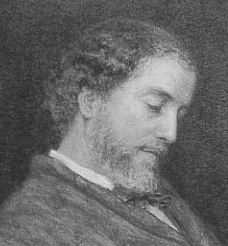
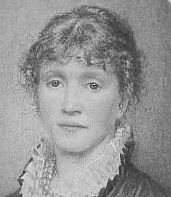
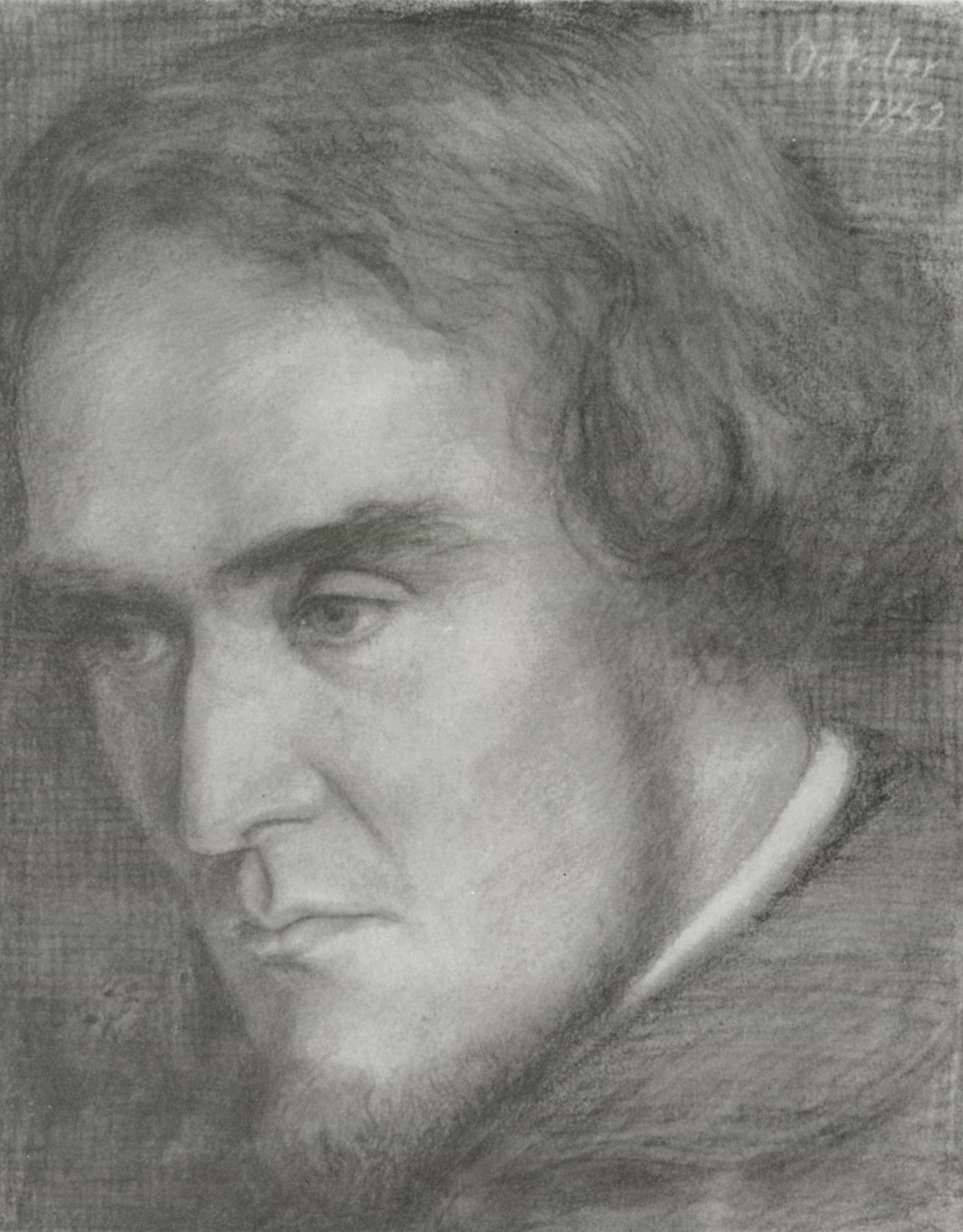
In short, Gabriel Rossetti and his fellow Pre-Raphaelites had begun to regroup--only to find that, in twentieth-century America, they were on their own. |