
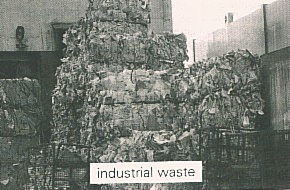
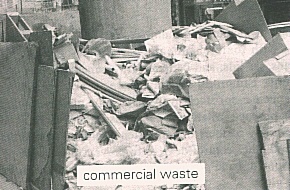
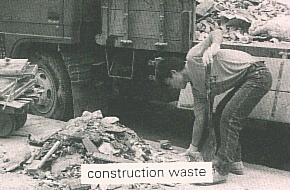
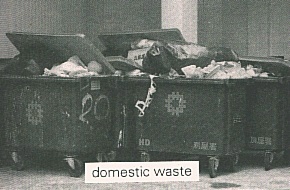
In Hong Kong, an average of 23000 tonnes (2.3*107kg) of solid waste was been disposed of daily in 1995. Such waste is being produced by the activities of domestic households, commercial and manufacturing business and construction sites in the territory. This quantity amounts to nearly 4 kg of waste per head of the population.
Among 1983 and1993, there has been a fold
increase in solid waste produced in Hong Kong. Such increase was very much in
line with the economical growth of territory. The increase does, however, exert
tremendous pressure on our waste disposal facilities.
Plastic
pollutant
Plastics are being used in almost every day in our lives. Plastics have enjoyed a wide popularity in their use because of their low cost, high strength, lightness in weight and waterproof nature. Each year the demand for plastics increases, and the production has developed into a multibillion dollar industry that has revolutionized the way we live.
Plastics are too good that their stability and resistance to oxidation and attack by chemicals and bacteria make them almost indestructible and last almost forever. Although plastics accounted for about 14% of our total weight of domestic waste generated in 1994, they could make up about 40% of its volume. This creates serious problems with disposal of plastics.
Some certain chemicals such as plasticizers and chlorofluorocarbons (CFC’s) in the manufacture of plastics produce ecological and environmental problems. Some plasticizers such as polychlorinated biphenyls(PCBs) were though to be safe but have now found to be a health hazard to humans. Plasticizers can leach out of a plastic and once in the environment, incorporated into the food chain and eventually ended up in humans. Eventhough PCB’s no longer in use, there is still a lot of them in our environment. For those plasticizers that do not harmfully to humans but become incorporated into food chains and have adverse health effects in animals are still being used.
The large amount of plastics creates enormous waste disposal problems, either by landfill or incineration. On land, plastic wastes contribute to unsightly litter scattered along roadways and in our parks and beaches. They provide breeding grounds for disease carrying insects and rodents. It also may represent an immediate danger to some fish, by clogging up the digestive gut by fragments of plastic foam that they had ingested with their food and cause dead. Also some sea animals have suffocated to death by plastic bags.