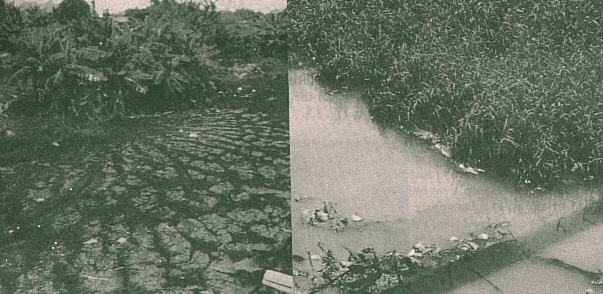
When there is an excessive amount of organic matter discharged into water, the existing micro-organisms will grow and multiply rapidly. With the depletion of oxygen anaerobic bacteria begin to flourish. They break down the organic matter partially, releasing obnoxious and toxic gases like CH4, NH3 and H2S. As a result, aquatic organisms will die.
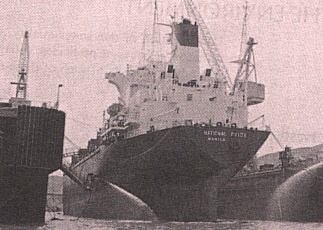
The effects of the oil spillages:
 Oil floats on water. This blocks the oxygen supply to marine life and
kills them.
Oil floats on water. This blocks the oxygen supply to marine life and
kills them.
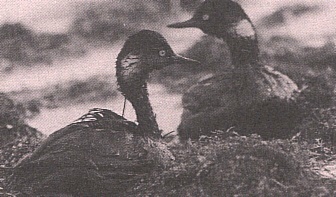
Oil clogs the feather of sea birds and prevent them from flying or
swimming. They then die of starvation. Oil interferes with the insulation
provided by the feathers, so the birds may die of cold or pneumonia.
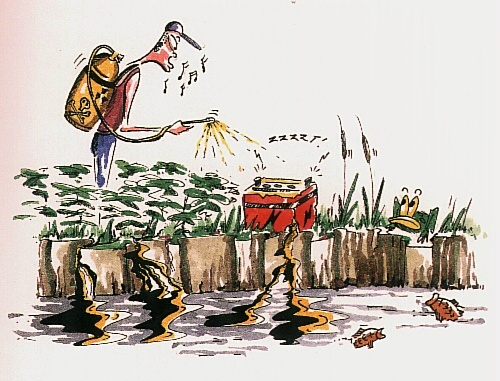
In addition, Ethylene Diaminetetra Acetic Acid (EDTA) from the cleaners tends to mix with some toxic metal such as lead, mercury etc. These toxic metals gradually sink to the bottom of the sea. After the nature circulation system, these toxic metals also can enter to the food chain and cause the ecological damage. They are difficult to remove by the treatment of water.
The eutrophication occurs when large amount of domestic sewage, consisting mainly of nitrogen containing human wastes and phosphorus containing detergents, is dumped in to the river and lakes.
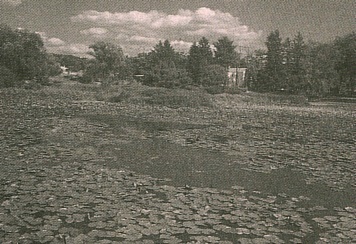
As a result of eutrophication, blue green algal blooms that appear on the water’s surface release unpleasant-smelling, bad tasting substances. The once attractive recreation areas are spoiled. As the vegetation and algae decay, they consume oxygen dissolved in the water; fish begins to die. If the concentration of dissolved oxygen continues to fall, other oxygen-dependent aquatic life will also be unable to survive.