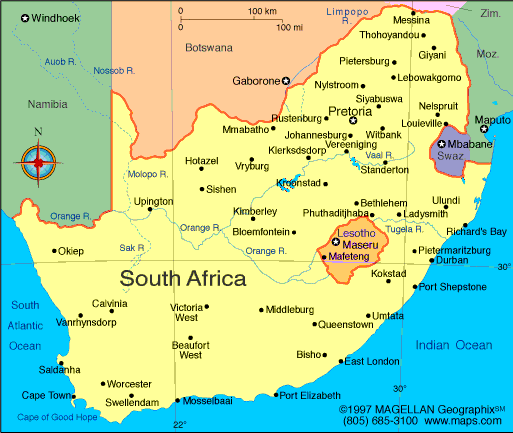
In 2000 and 2001, Mbeki wrestled with a slumping economy, a skyrocketing crime rate, and the country's rising AIDS epidemic. South Africa, which has the highest number of HIV-positive people in the world (nearly 5 million, about 12% of the population), has been hampered in fighting the epidemic by its president's highly controversial views. Mbeki has denied the link between HIV and AIDS, claimed that the West has exaggerated the epidemic to sell drugs, and charged that Western AIDS activists consider �Africans to be germ carriers and human beings of a lower order.�
The international community as well as most South African leaders, including Nelson Mandela and Desmond Tutu, have admonished Mbeki on his lack of leadership in combating AIDS. Finally, in Aug. 2003, after years of delay, Mbeki reversed himself on his hands-off AIDS policy, promising a nationwide antiretroviral drug program that will prolong the life of AIDS victims. But the administration's ambivalence was evident in the continued, inexplicable delays in implementing the program.
In Feb. 2004, Mbeki's health minister, Manto Tshabalala-Msimang, urged AIDS victims to fight their disease with a combination of olive oil, garlic, and lemon. Nathan Geffen, director of one of the country's AIDS organizations, Action Treatment Campaign, commented, �This is in a long line of absoutely bizarre statements [the minister] had made. Her comments on AIDS are just incoherent.�
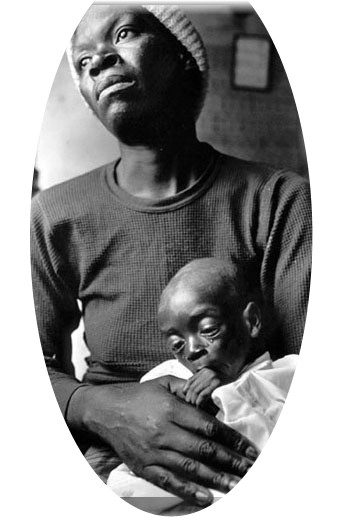
To put all the propraganda and lazy attitude of the South African government to rest, we need to remember that the AIDS epidemic is for real; it affects all walks of life, and is affecting the children, not just of South Africa but, of the world. We need to save the children to save the future of mankind.
Please look in your heart to give!! Thank you. |