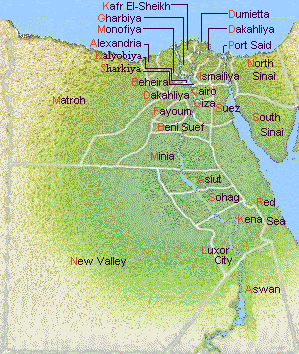
EGYPT MAP
SOHAG GOVERNERATE MAP:
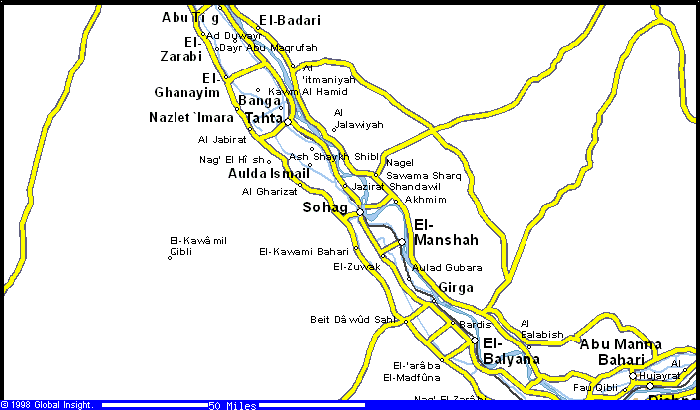

Sohag City:
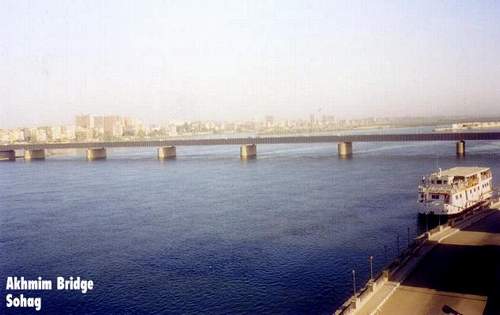
Sohag city (1986 pop. 132,649), 476 km south to Cairo, capital of Sohag governorate, central Egypt, on the Nile
River.
The Nile river split the city into east and west bank, connected together with 2 bridges one on the middle of the city
(Akhmim Bridge), and the newer one in the south of the city, the west bank is the main part, and the east bank is the
newer, contain the governrate building, the university, many schools, hotels, many clubs on the Nile
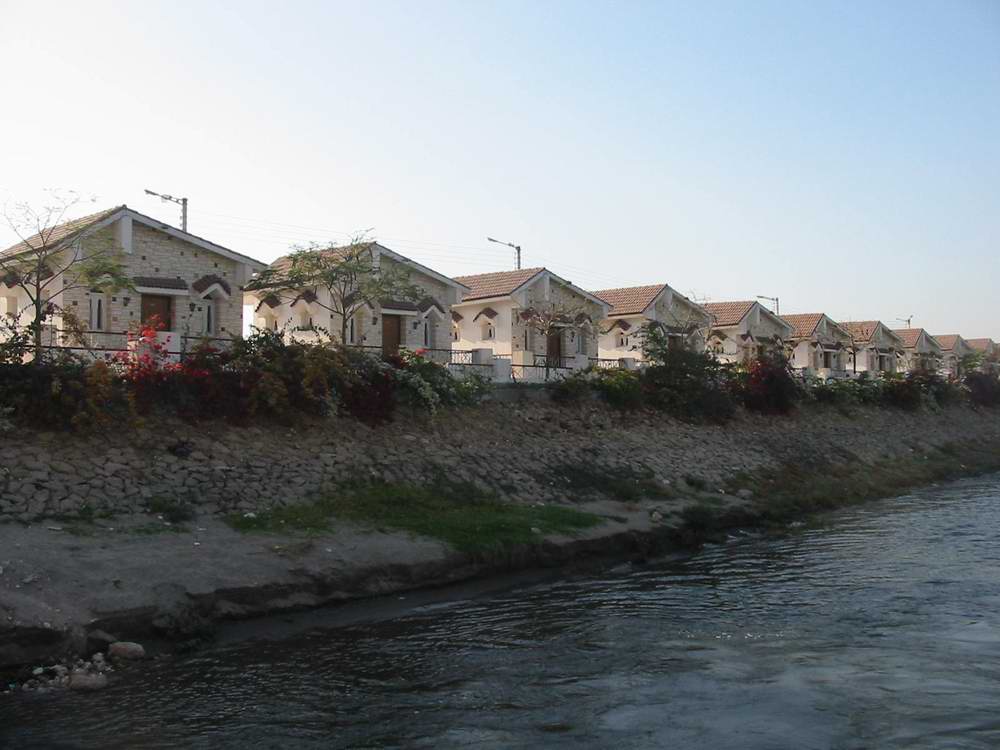
In the Nile river there is two islands, Elzohour island (meaning the flower) the smaller one it contain villas to rent and a
small club, Karaman island the biggest.

About Tourist places in Sohag:
Achmin
A few kilometers from Sohag, on the eastern bank of the Nile is the town of Achmin.
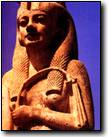
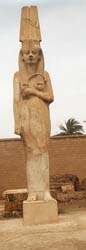
Recently, in 1982 to be exact, the statue of Queen Meret Amun was accidentally discovered during the construction of a
new school. It is the tallest statue of a queen yet to be discovered. Queen Meret Amun was one of the daughters of
Ramses II, wife of Amenhotep and also a priestess. The statue is in good condition Microbuses and service taxis go to
Achmin from Sohag (15 min).
Weaving Factories
There are several weaving factories in Achmin, just across the river from Sohag near the statue of Meret Amun. You can
visit the factories to see how the hand-woven textiles are made.
Abydos
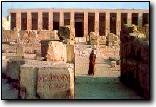
Abydos was once a very important "Holy City" that survived for many centuries serving many dynasties. It is one of the
most spell-binding spots in all of Egypt, and is well worth seeing. It was believed that Osiri's head was buried there (his
brother Seth killed and dismembered him and scattered his body parts all over the Nile valley) and that was where he was
resurrected to assume his powers as the god of the afterlife. Most of the temples of Abydos were built in the 13th century
BC.
Among them are the temples of Osiris, Seti I and Ramses II. Osiri's temple is found in the center of the city at Kom
Al-Sultan it is probably the most important temple there, but there's not much left of it unfortunately. Seti I's temple,
however, is one of the best preserved temples in Egypt. It honors seven gods: Osiris, Isis, Horus, Amun, Ra Harakhy,
Ptah, and Seti I, all of whom can be seen on the walls of the temple. The "List of Kings" is also inscribed on its walls,
where Seti and the young Ramses honor their his 76 predecessors, this list has been a vital source for Egyptologists,
showing them the chronology of the dynasties. You can also follow the drawings of the burial process in colorful paintings.
Some interesting wall paintings are found in Ramses II's temple which was also built in dedication to Osiris. Between
Osiris' temple and Seti's temple, is a cemetery for sacred animals and some loyal Egyptians who wanted to be forever
close to the great Osiris. The temples are open from 7am to 5pm daily. Admission is for 15LE (half for students). Abydos
is located in Al-Balyana which is around 40 km south of Sohag.
White Monastery
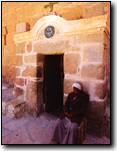
The White Monastery or Deir Al-Abyad was built in 400 AD by the Coptic St. Shenouda, it is located 12km north-west
of Sohag and maybe interesting, with a few icons and wall paintings inside the chapels. This monastery was once home to
more than 2000 monks but now only a dozen or so remain. from Sohag (10 min.)
Red Monastery
The Red Monastery or Deir Al-Ahmar was built around 400 AD by a thief called Bishoi who converted to Christianity
and became a Coptic saint. It is only 3 km from the White Monastery, so you can walk it. You may be interested in the
frescoes on the walls of the chapels. Bishoi also built the two monasteries at Wadi Al-Natrun. One of the chapels is in his
name, the St. Bishoi Chapel, the other is called the Santa Maria Chapel.