| THE BEST OF BEST OFS |
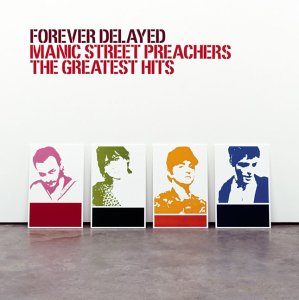
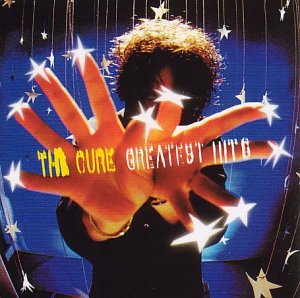
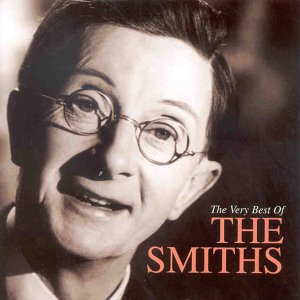
| Good grief, Snoopy, it's Christmas time again! I wish all those high street shops would let us know. And what better way for the music industry to raise an easy quid than with their own artists best-of collections (or, as some of the record companies say, a sure thing)? The notion of a greatest hits collection in relation to a popular artist could be expressed in a scientific formula: Best-of + November/December = Bank Raid. And some are good, some are bad. Who can forget the Manic Street Preachers awkward collapse-of-integrity 2001 collection Forever Delayed? An intensely poor collection focussing on sales instead of fan popularity, resulting in a zillion tracks pulled from Everything Must Go and one from The Holy Bible, comically resulting in a 0/10 rating when it was reviewed in NME. But then, on the other hand (or, if you will, B-side, HAHAHAHAHA [cough]) the same year found the Smashing Pumpkins showing how it should be done in the form of Rotten Apples, a greatest hits where the only real omission was Thirty Three (you could argue that I Am One was sorely missed, but I won't be listening). But back on that first hand The Cure and The Smiths released 'new' best-ofs, despite The Cure having already released two beforehand and The Smiths having already released 6 collections beforehand (luckily the latter was not a case of diminishing integrity, rather a case of the record company Warner squeezing...every...last...penny out of the popular emotional 80s quartet). And linking the Manics, Pumpkins and Cure best-ofs has been a relatively new trend in the 'art' (cough, again) of best-of collections, the unnerving take-it-or-leave-it 'bonus disc' of rare remixes and unreleased tracks, that more often than not nobody asked for. |
| by Woodsey |
 |
 |
 |
 |
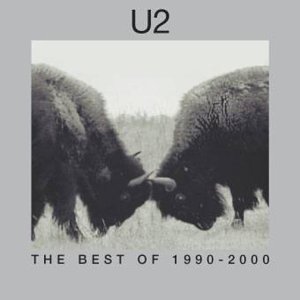 |
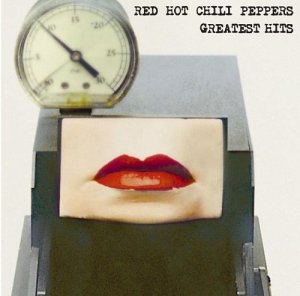
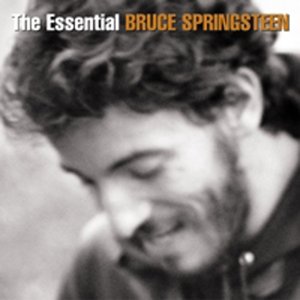
| The following year U2 released one of the more surreal best-ofs (I'm getting tired of putting that hyphen in, from now on, it's bestofs - ha! take that Ferdinand de Saussure!) made up of an ok selection of their previous singles but for some reason they were remixed for no apparent reason. While I'm not against a group toying with and mixing their own tracks to perfection, releasing it in the form of a bestof when the new mixes have never been released before, doesn't seem to make much semantic sense; should we accuse U2 of trying to rewrite their own history instead of revealing all to the public? I'm not sure, but the inclusion of two (sigh) 'bonus' CDs doesn't shed any more light on the matter. So, what now for the greatest hits collections, do they have a future? Palpably, yes, as long as the age-old tradition of giving Christmas presents continues. But will the DECENT bestofs have a future? In the following essay, I attempt to uncover the trends and patterns in the collections released THIS winter in an attempt to find out what makes a fantastic retrospective of an artist's career and what represents a hideous, ill thought-out compromise on the record company's part. And I'll rip off pictures from Amazon in the process (thanks, Amazon, I'd give you a smiley wink if I wasn't dead against them). In my following thesis I shall differentiate the bestofs into 3 separate categories: 1) SINGLES A collection focussing solely on a band's singles. Obviously. 2) BESTOF A collection taking in what either/both of the artist/record companies believe is an artist's 'best' work, a very contentious decision. 3) COLLECTIONS Rare, but a compilation, usually at the artist's whim, of a favourite selection, whether popular or not. |
 |
 |
 |
 |
 |