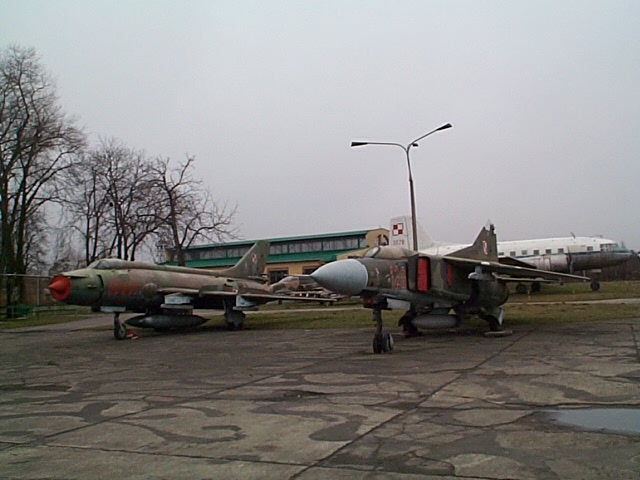
The plane on the left is a Suchoi-20, called the
Su-17MK in the Soviet Union. It is a fighter-bomber with variable
wing geometry developed in the early 1970's and flown by the Soviet Union
and by Poland.
The plane on the right is a Mig-23, a swept-wing
fighter plane that can exceed twice the speed of sound and fire guided
air-to-air missiles. This plane was developed in the 1970's as a
replacement for the Mig-21 and became the mainstay of the Soviet air force.
The Polish air force still flies this kind of aircraft.
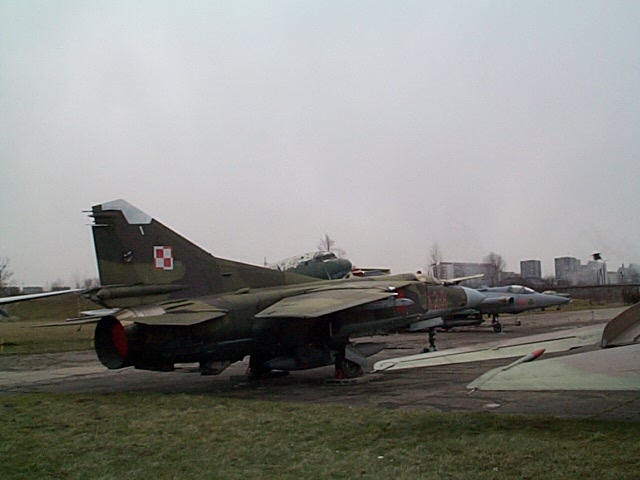
The same Mig-23 from the back. It is the most sophisticated plane in the museum.
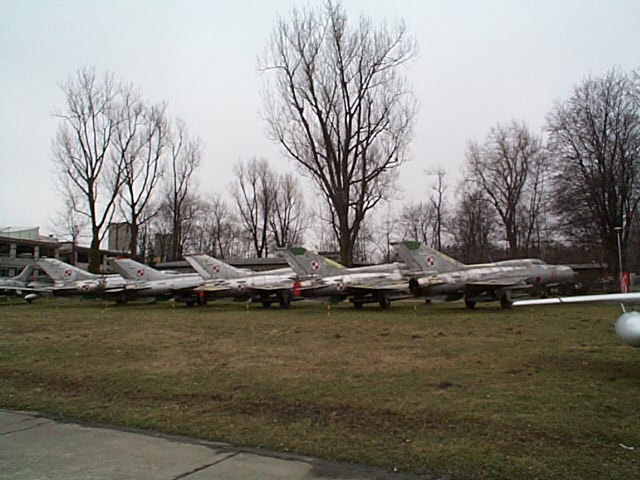
A row of Mig-21 Balalaikas. The Mig-21 is the most mass-produced jet fighter in history and serves in the air forces of many different countries, including Poland which still uses this kind of aircraft. The Mig-21 exceed 2100 km/h and fire guided air-to-air missiles. The above row contains a number of variants of this kind of plane including single-seated interceptors and double-seated trainers.
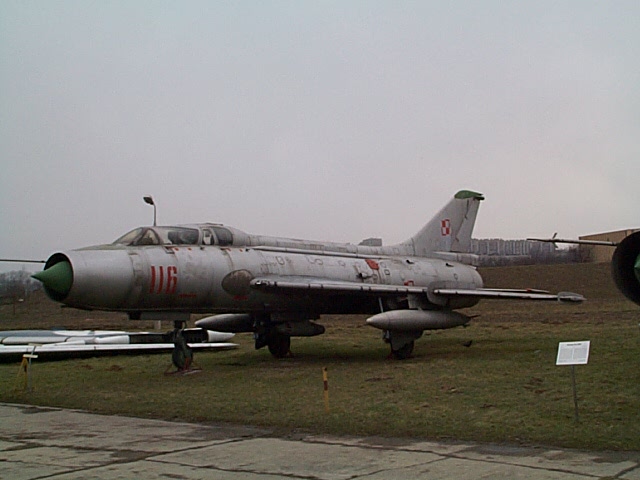
A Su-7UM, this plane is a two-seat supersonic trainer introduced to Poland in the late 1960's.
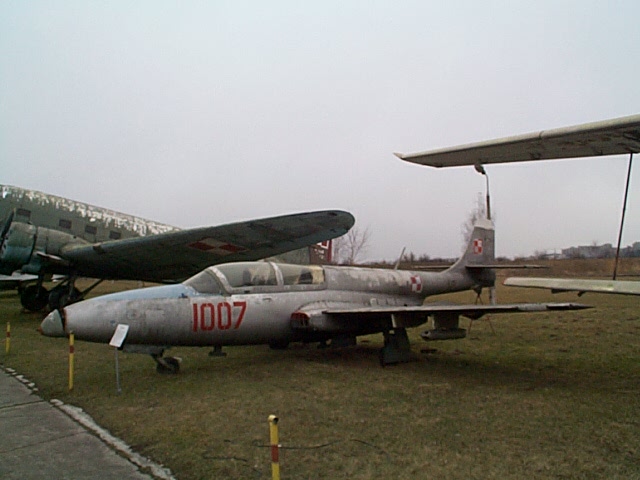
The TS-11 Iskra was designed in Poland in the late 50's by Tadeusz Soltyk to fulfill a need for a jet-propelled trainer. These planes were constructed by WSK Mielec.
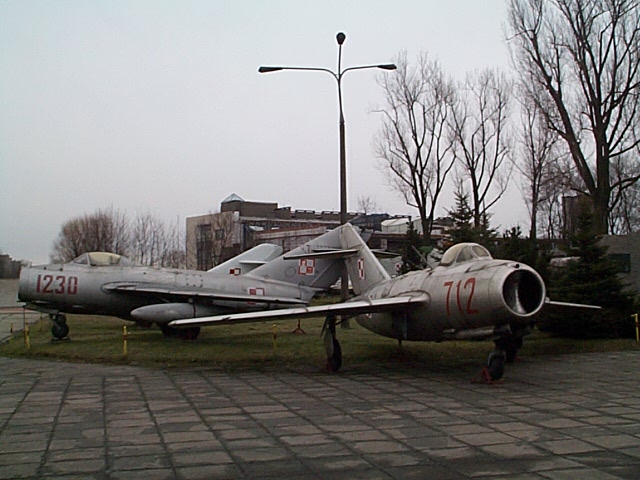
These are examples of the Lim-2, which was known in the Soviet Union as the Mig-15. This kind of aircraft could exceed 1000 km/h and it was armed with three guns (1 X 37 mm and 2 X 23 mm) with the possibility of carrying light bombs. These planes were introduced to Poland in 1954 and were mass-produced there under license as fighter aircraft.
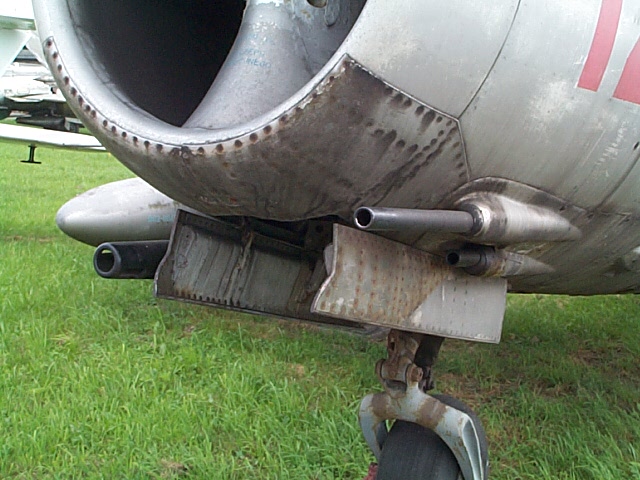
The Lim-2's guns.
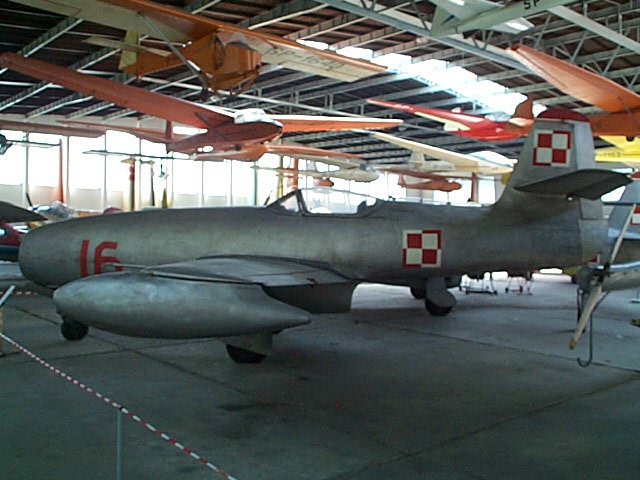
The Yak-23 was mass-produced in the Soviet Union in the late 1940's for export to other countries. It could exceed 900 km/h and it was armed with two 23 mm guns.
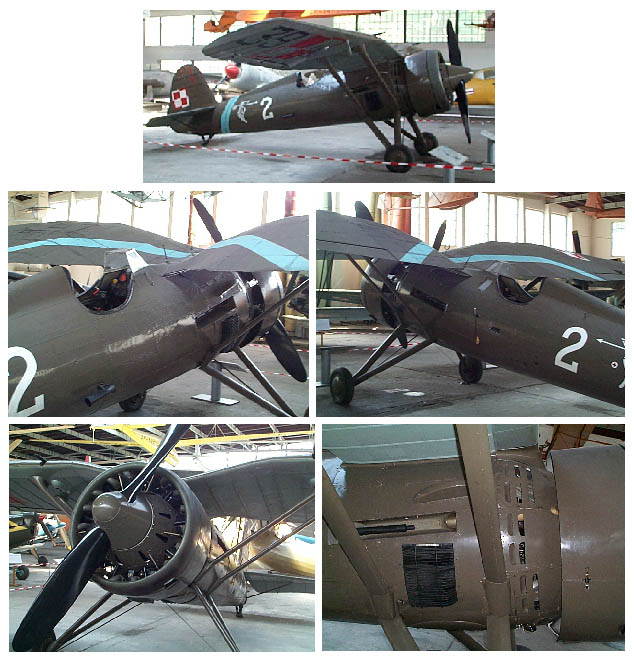
The museum contains the only surviving example of a P-11, the mainstay of the Polish air force at the outbreak of the Second World War. The P-11 was originally conceived by Zygmunt Pulawski and then later finished by W. Jakimiuk after the accidental death of Pulawski. Like all of Pulawski's fighters, the P-11 shows an example of his patented Polish-wing or gull-wing (so called because it is reminiscent of a sea gull). This unique construction gave the pilot good visibility below and above the wing. Fifty of the earlier P-11a's and 175 of the later P-11c's were constructed for the Polish air force and a number were sold to Romania. The Romanians also produced this plane under license and they successfully constructed a modified version with retractable landing gear. Although it was considered the best fighter airplane in the world in 1934, it was hopelessly outdated by the 1939 campaign. Still, the P-11 served the Polish air force surprisingly well, perhaps, because of its well trained pilots. The museum's plane survived the war after it was packed into a railway car and forgotten for the duration of the war. All other P-11's were destroyed.
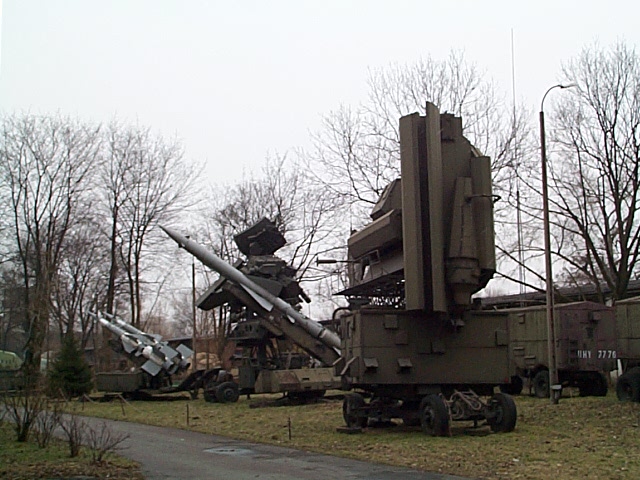
The museum also displays surface-to-air missiles and radar.